
Review · SPAIN
Granada: Tasting of Extra Virgin Olive Oils
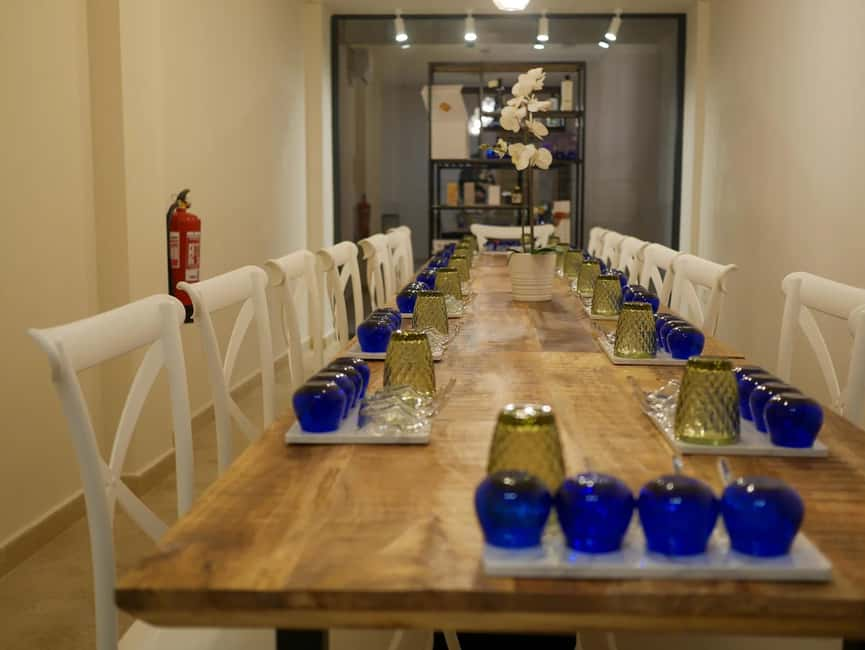
Granada’s olive oil deserves more than a quick drizzle over bread. In this 90-minute tasting, professional taster Mercedes Uceda guides you through three outstanding Andalusian extra virgin olive oils, showing how variety, aroma, bitterness, and peppery heat shape what reaches your plate. You use the same type of dark tasting glasses used in major competitions, which makes the session feel focused rather than touristy.
I like two things right away: the small, personal feel and the chance to compare oils side by side instead of hearing a lecture about them. Mercedes and her husband are known for giving generous explanations and sharing personal connections to the olive oil trade. The main consideration is simple: this is a tasting-room experience, not a visit to an olive grove or working mill, so choose another option if you want trees, machinery, and rural scenery.
Key points at a glance
- Three top extra virgin olive oils: Compare different varieties and styles in one carefully guided session.
- Professional tasting glasses: Use competition-style glasses designed to help you notice aroma and flavor.
- Mercedes Uceda leads the tasting: Her professional experience gives the activity a clear, informed structure.
- A flavored olive-oil condiment: The tasting moves beyond plain oil and shows how EVOO can be used creatively.
- Snacks for pairing: Try the oils with food before choosing the one you prefer.
- Central Granada setting: The tasting room is in the historic center and the activity lasts about 90 minutes.
Why an olive oil tasting belongs in your Granada plans
Andalusia is one of the world’s great olive oil regions, yet many visitors experience its oil only as a puddle on a restaurant plate. This session gives you a better way to understand it. You taste, compare, and put words to sensations that can otherwise seem vague.
Extra virgin olive oil is not meant to taste flat or anonymous. A good oil can smell fresh and grassy, feel smooth or lively, and finish with bitterness or a peppery tickle in the throat. Those traits are not faults by themselves. They are part of the oil’s character, and the guide helps you understand how they relate to the olives and the production process.
I particularly like the comparison format. Tasting three oils in the same sitting gives you a reference point. One may seem mild, another more bitter, and another more forceful. That contrast is far more useful than sampling one bottle in isolation and being told that it is excellent.
The session also helps you shop and eat more intelligently after you leave. You may begin to notice the difference between an oil suited to a delicate dish and one that can hold its own with stronger flavors. The experience does not require you to arrive as an oil expert. In fact, it works best if you bring curiosity and an open palate.
More Olive Oil Tours around Spain:
- Ronda: LA Almazara LA Organic, Olive Oil Museum and Tasting
★ 4.6 · 435 reviews - Guided tour and olive oil tasting in Alhaurin el Grande (Málaga)
★ 5.0 · 200 reviews - Guided Tasting Tour in 16th century House and Olive Oil Factory
★ 5.0 · 169 reviews
Meeting Mercedes Uceda in central Granada
The activity takes place at Molino y Cata, in a professional tasting room in Granada’s historic center. The exact meeting point can vary with the option you book, so check your confirmation carefully rather than relying only on the listed coordinates.
The setting matters. A tasting room lets the guide control the light, glassware, order of service, and pace. You are not trying to judge an oil while seated at a noisy restaurant table or distracted by a large meal. Instead, the room is arranged for attention, with the oil itself taking center stage.
Mercedes Uceda is a professional extra virgin olive oil taster, and her team leads the activity in Spanish or English. Her husband may also be involved, adding a personal side to the session. That combination of technical explanation and family connection is one of the more appealing details here. You get the formal language of tasting, but the experience does not have to feel stiff.
One available account describes the benefit of a very small group, where the guide could direct the information closely to the participants. Group size is not specified as a fixed feature, so I would not book on the assumption that every session will be private. Still, the format appears well suited to questions and conversation.
The first taste: learning how professionals assess EVOO
The tasting begins with an introduction to the main qualities of extra virgin olive oil. You are not simply handed a piece of bread and told to choose your favorite. The goal is to learn how to smell and taste the oil in a repeatable way.
The professional glasses are part of that process. Their design helps concentrate aromas and limits the influence of the glass itself. Because the glasses are used in competitions, you get a small sense of how trained tasters work, without needing specialist equipment at home.
You may be asked to pay attention to several stages:
- The first aroma when the glass is brought near your nose
- The freshness and intensity of the scent
- The texture on the palate
- Any bitterness or peppery sensation
- The length and character of the finish
These details can sound technical until you taste oils side by side. Then the differences become easier to grasp. A particular olive variety may offer a softer, rounder impression, while another can taste more assertive and green.
The guide’s job is not to tell you which reaction is correct. It is to give you a vocabulary for your own reaction. I value that approach because personal preference still matters. An oil can be highly praised in professional judging and still not be the one you want on every salad.
Comparing three award-winning Andalusian oils
The central part of the experience is the tasting of three extra virgin olive oils described as among the best in the world. The supplied information does not name the individual oils or guarantee particular varieties, so you should expect a guided comparison rather than a fixed lesson built around named bottles.
That flexibility can be useful. The oils served may reflect what the team wants to present at the time of your visit. You will learn about important olive varieties and how they differ, but the exact selection is not specified in advance.
This is where the session earns its place on a food-focused itinerary. With three samples, you can observe how aroma and flavor shift from one oil to another. The guide can point out the features of each sample, then give you time to decide which one speaks to you.
At the end, you have the chance to choose the oil that impressed you most. That small choice gives the tasting a satisfying finish. You are not just absorbing information. You are forming your own opinion.
Keep in mind that best does not mean universally preferred. Professional awards consider quality and style, while you may prefer a mild oil for everyday cooking or a more intense one for finishing a dish. The value here is learning why you prefer one, not being persuaded to prefer the most forceful sample.
Same olive country, a different way to taste it:
- Visit of the olive grove, olive oil tasting and snack
★ 4.9 · 111 reviews - Visit Oil Mill Museum and Olive Oil Tasting in Ronda
★ 4.5 · 105 reviews - Private Tasting of Olive Oil in Córdoba
★ 5.0 · 93 reviews - Olive Oil tasting breakfast & Tour in Cordoba
★ 4.5 · 84 reviews
Olive-oil condiments and the move from glass to plate
The experience includes a flavored condiment based on extra virgin olive oil. This adds a practical and playful turn to the session. Instead of treating EVOO as a formal tasting subject only, you see how it can carry other flavors and work as part of a finished condiment.
The exact flavor is not specified, so you should not expect a particular herb, spice, or ingredient. What you can expect is a chance to consider olive oil as more than a cooking fat. Its aroma and body can shape a sauce, dip, or seasoning.
After tasting the oils on their own, you pair them with different snacks. This is important because an oil can seem one way in a tasting glass and quite different with food. A peppery finish may feel bold alone but balanced beside a snack. A softer sample may work better when you want the food itself to lead.
I like this part because it keeps the activity from becoming too abstract. You are learning about acidity, aroma, bitterness, and texture, then seeing how those qualities behave at the table. It also gives you ideas for using olive oil after you return home.
What makes the guides’ approach useful
The strongest praise attached to this experience focuses on the personal attention and detailed explanations. That makes sense for an activity built around subtle flavors. If the guide simply poured three oils and offered broad descriptions, much of the value would be lost.
Mercedes is described as generous with her time, and her explanations include personal stories connected to the olive oil industry. Stories matter here because olive oil is not just a tasting category. It is tied to farming, family work, regional identity, and the daily food culture of Andalusia.
At the same time, the experience is short enough to stay manageable. Ninety minutes gives you room to learn and taste without turning the session into a full-day food course. I would place it between other Granada plans rather than treating it as the main event of the day.
The language choice also helps. You can take the activity in Spanish or English. Some content may be shown in its original language, so if you are not comfortable with either language, expect that certain labels or material may need explanation.
How the 90-minute timing affects the experience
An hour and a half is a good fit for a city break. It is long enough to compare three oils and try the condiment and snack pairings, but short enough to fit around the Alhambra, a walking tour, or an evening meal.
The pace should still feel purposeful. Each sample needs time for smelling, tasting, discussion, and comparison. If you enjoy asking detailed questions, a small group will help. If the session is fuller, you may need to be more direct about what you want to know.
This is not a drop-in sample counter. Set aside the full 90 minutes and arrive ready to pay attention. Olive oil tasting is quieter than a wine tour or market visit, and that is part of its appeal. You are working with small sensations, not rushing from one display to another.
The central location also makes the timing practical. You can combine the session with other plans in Granada’s historic center, though the exact meeting point should be checked after booking. No transportation is included or described, so plan to reach the tasting room independently.
Who will get the most from this tasting
I would recommend this experience to several kinds of visitors:
- Food lovers who want more than a standard tapas stop
- Couples seeking a calm, conversation-friendly activity
- Visitors interested in Andalusian agriculture and local products
- Cooks who want to understand how olive oil affects a dish
- People who are curious about tasting methods but do not want a long course
- Repeat visitors to Granada looking for something beyond the major sights
It should also suit people who normally buy olive oil without knowing what they like. The side-by-side format can make your preferences clearer.
I would be more cautious if your main goal is to see olive trees, visit a rural estate, or watch oil being made. This activity happens in a professional tasting room. The related Granada options that include an olive grove or guided sensory visit would better match that interest.
Children may or may not enjoy the formal tasting format, depending on their patience and interest in food. The available information does not give a minimum age or child policy, so check before booking if that affects your plans.
Value, accessibility, and booking flexibility
The exact price is not provided, so I cannot judge the fare against a stated amount. The value rests on what is included: professional guidance, three high-quality oils, competition-style glasses, a flavored condiment, and snack pairings over 90 minutes.
That is a stronger proposition than simply paying for three small samples. You are also paying for interpretation. If Mercedes helps you recognize qualities that you can use when buying or serving olive oil later, the lesson may continue to pay off after your holiday.
The experience is wheelchair accessible. Cancellation is free up to 24 hours before the start time, and you can reserve now and pay later, which is useful when your Granada schedule includes fixed-entry plans such as the Alhambra.
The main practical risk is not value but fit. If you want movement, scenery, or a large social group, the tasting room may feel too contained. If you want a focused food experience with time for questions, its compact format is a strength.
Practical tips for getting more from the tasting
Arrive with a light palate. You do not need a special preparation plan, but strong flavors just before the session could make subtle aromas harder to notice.
Pay attention to your own preferences. You may find that you favor an oil with noticeable bitterness, or you may prefer a softer style. Neither response is wrong. Ask the guide how each oil might work with food, since the final snack pairing is a good chance to connect tasting notes with actual use.
Do not worry about having the right vocabulary. The point of the professional glasses and guided steps is to help you notice more, not to test you. If a scent reminds you of something specific, say so. Personal associations can be useful clues.
If you are booking for a special occasion, check the meeting point and language before you finalize the plan. The meeting location may vary by option, and some material is presented in its original language.
Should you book this Granada olive oil tasting?
Book it if you want a thoughtful, local food experience that fits neatly into a Granada day. The combination of Mercedes Uceda’s professional guidance, three top EVOOs, competition-style glasses, a flavored condiment, and snack pairings gives you much more than a quick taste at a shop.
Skip it if your priority is an olive grove, a mill visit, or a countryside outing. This is an indoor tasting-room lesson, built around comparison and conversation. For food-minded visitors, especially those who enjoy learning how everyday ingredients are made and judged, it is a smart 90-minute addition to a Granada itinerary.
FAQ
How long does the Granada olive oil tasting last?
The activity lasts 1.5 hours, or 90 minutes.
Who leads the olive oil tasting?
The tasting is guided by Mercedes Uceda, a professional extra virgin olive oil taster, and her team. Her husband may also be involved in the experience.
How many olive oils will I taste?
You will taste three extra virgin olive oils described as among the best in the world. You will also try a flavored condiment based on extra virgin olive oil.
Is the tasting offered in English?
Yes. The live guide is available in English or Spanish. Some content may be shown in its original language.
Where does the activity take place?
The tasting takes place in a professional tasting room at Molino y Cata in Granada’s historic center. The exact meeting point may vary depending on the option booked.
Is the olive oil tasting wheelchair accessible?
Yes, the activity is listed as wheelchair accessible.
Freshly pressed around Spain
- Paella, Olive Oil, Wine & Relax in Rural Estate outside Madrid★ 5.0 · 2 reviews
- Olive Oil Tour and Tasting in Málaga★ 5.0 · 2 reviews
- Discover the varieties of wines, olive oil and food on Mallorca★ 5.0 · 8 reviews
- Olive Oil Excursion to an olive mill in the Lecrín Valley★ 3.5 · 3 reviews
- Authentic Olive Oil Tasting in Cordoba, Spain★ 4.0 · 2 reviews
- Cordoba Olive Oil mill, Wine, Passion★ 4.5 · 8 reviews
- Full day in Cordoba between Vineyards and Olive Trees with a Convertible Car★ 5.0 · 2 reviews
- Visit olive grove centenary with oil tasting course★ 5.0 · 11 reviews
Spain Olive Oil Tours, compared.
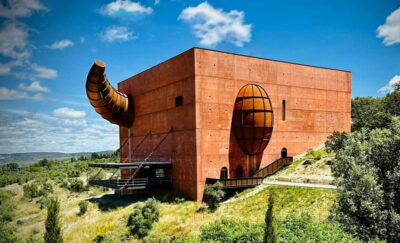
Ronda: LA Almazara LA Organic, Olive Oil Museum and Tasting
Read our review →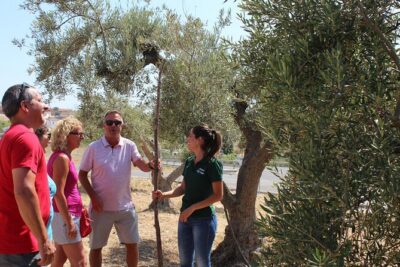
Guided tour and olive oil tasting in Alhaurin el Grande (Málaga)
Read our review →
Guided Tasting Tour in 16th century House and Olive Oil Factory
Read our review →
Visit of the olive grove, olive oil tasting and snack
Read our review →
Visit Oil Mill Museum and Olive Oil Tasting in Ronda
Read our review →
Sóller: Olive Oil Guided Tour and Tasting at Can Det Estate
Read our review →Other lists with this tasting on them