
Review · GREECE
Lefkada: Olive Museum Fabbrica Ticket and Guided Tour
A 19th-century olive mill is the star here, not a polished modern attraction. At Fabbrica Olive Museum in Syvros, you see the old machinery, then connect it to present-day production through a short film. I like that the visit gives you both the working past and the modern process in one compact stop.
I also like the tasting. You try carefully selected extra virgin olive oil along with local products such as marmalade and a traditional local drink. The guide explains the tasting in detail, which makes those few samples more useful than a quick pour and a sales pitch.
The main drawback is the short running time. Twenty minutes can feel rushed if you want a long museum visit or a slow look at every machine. Still, the low price and convenient village location make it an easy addition to a Lefkada day out.
Key points at a glance
- A real 19th-century olive mill: See the machinery and old working spaces used to make olive oil in the past.
- Modern production in a short film: Learn how olive oil is produced today before entering the historic mill.
- Guided English tour: An English-speaking guide leads the visit and explains the tasting.
- Local tasting included: Sample extra virgin olive oil, marmalade, and a local drink.
- Easy stop in Syvros: Marked parking spaces sit right beside the museum.
- Good value for a quick visit: At $2.82 per person, it adds a focused cultural experience without taking half your day.
Why this small museum matters in Lefkada
Lefkada is closely tied to olive growing, so an olive museum gives you a useful way to understand more than the island’s scenery. Olive oil is not simply a bottle on a breakfast table. It reflects farming, machinery, storage, food, and local trade.
Fabbrica presents that story on a human scale. You are not walking through a huge museum with rooms of objects and long labels. Instead, you get a short guided explanation inside an old mill, where the machinery helps make the process clear.
I find this kind of stop especially useful when you want a break from beaches and viewpoints. It gives your day some local character without demanding much time. The visit also works well for families or for anyone who prefers a practical demonstration to a formal history museum.
The score of 4.8 from 14 ratings fits the experience’s strongest qualities: it is friendly, focused, and easy to understand. The praise centers on the clear presentation, the helpful guide, and the tasting at the end. You should simply arrive with the right expectation. This is a brief introduction, not a full morning spent studying olive agriculture.
More Olive Oil Museums around Greece:
- Monastery – Ancient Olive tree & Museum-Cretan Brewery Private Tour from Chania
★ 5.0 · 5 reviews - Chania Olive Tour: 3,000-Year-Old Tree, Museum &Organic Mill
★ 5.0 · 5 reviews - Bus Trip with Swim to Paleokastritsa and Olive Oil Museum
★ 5.0 · 3 reviews
Arriving at Fabbrica in Syvros
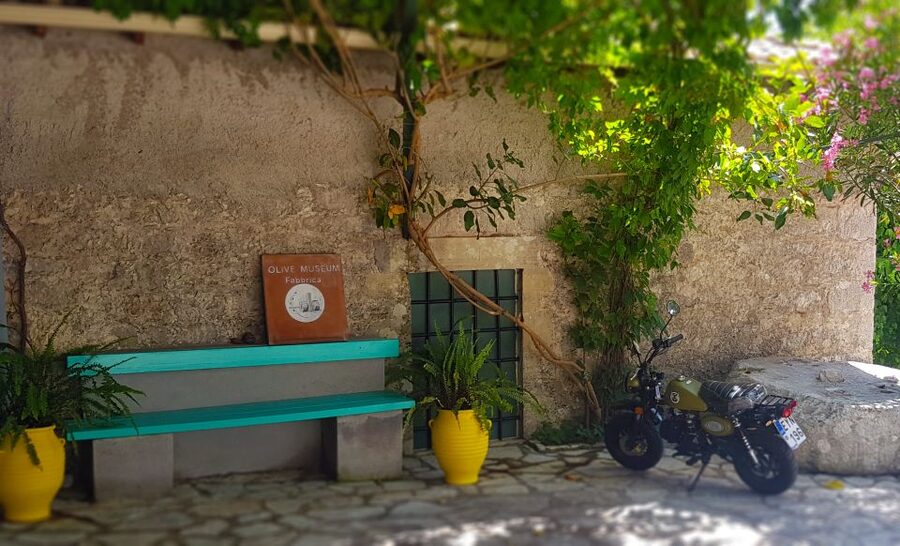
The museum is in the village of Syvros, in western Greece, and marked parking spaces are available immediately beside it. That makes the arrival simple if you are driving around Lefkada. You do not need to build in a long walk from a distant car park.
Your visit starts at the museum meeting point and ends there too. This is useful when you are fitting Fabbrica between other stops. You can leave your car nearby, complete the tour, and continue your day without arranging a transfer or finding a separate departure point.
The activity is listed at 20 minutes, although the full experience can run closer to 20 to 25 minutes depending on the presentation and tasting. That small difference matters if you are planning a tightly timed day. I would allow a little extra time rather than treating the advertised duration as exact.
The museum is wheelchair accessible. The available information does not describe every surface or the exact layout, so anyone needing detailed access information should confirm the practical arrangements before booking. The important point is that accessibility is provided for the activity.
First stop: the modern olive oil process
The visit begins with a short introductory video about how olive oil is produced today. This is a smart first step because it gives you a simple frame of reference before you look at the older equipment.
Modern production can be difficult to picture from words alone. A film lets you see the newer process before your guide turns to the historic mill. You can then compare the two approaches instead of treating the old machinery as a collection of mysterious metal parts.
This section also helps explain why olive oil production has changed. The tour includes information about how olive oil is made and its nutritional properties, so the film is not just filler before the main event. It prepares you for the practical and food-related parts of the visit.
The film is short, which suits the overall format. You will not get a long technical lecture, and that is probably a benefit for most people on holiday. If you already know a great deal about pressing, milling, or olive chemistry, you may find this introduction basic. For a first look, it does the job.
Inside the 19th-century olive mill
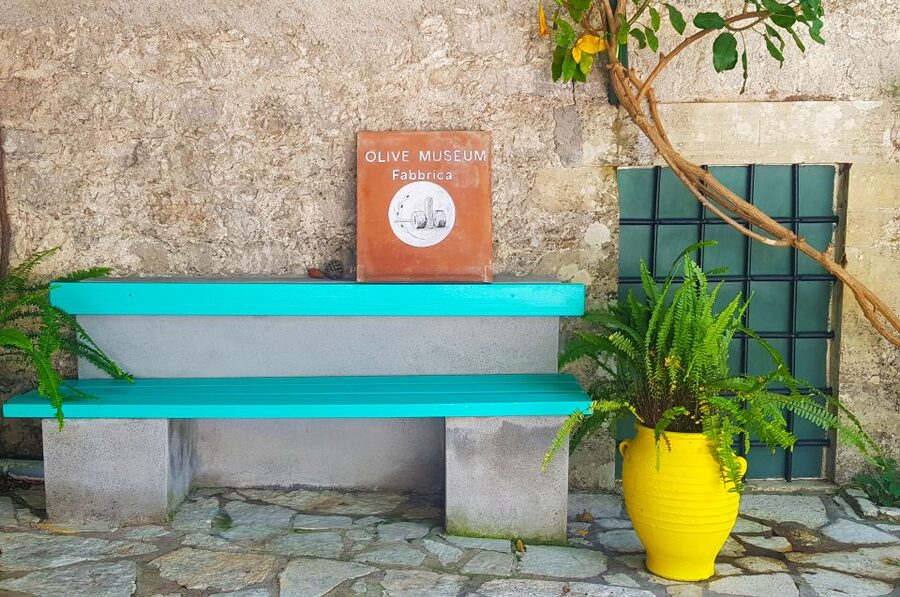
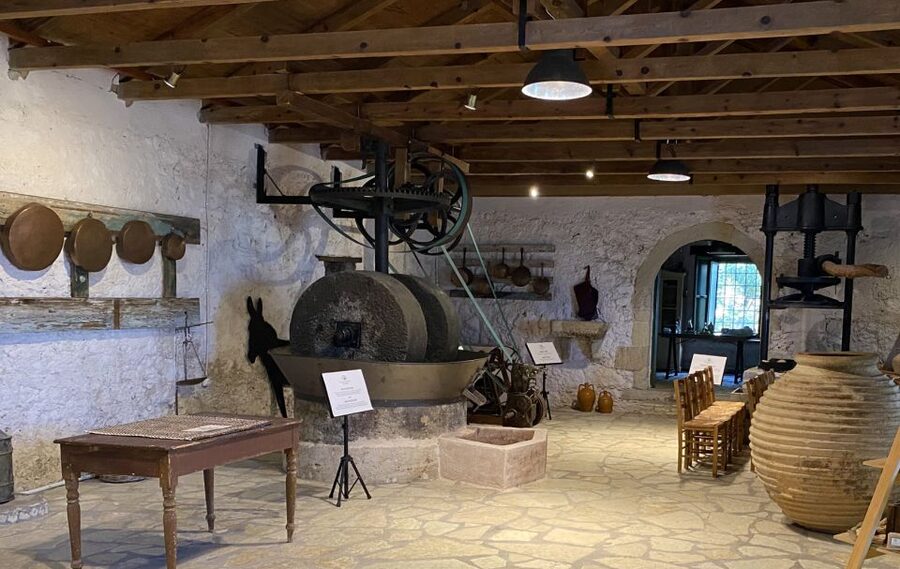
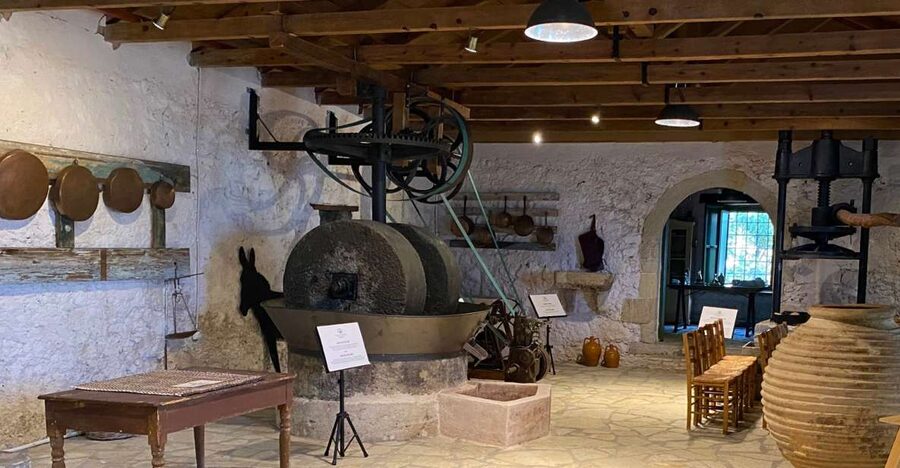
After the film, your English-speaking guide takes you through the 19th-century mill. This is the most atmospheric part of the experience, since the old machinery shows how much physical work once went into producing a product that now appears in tidy bottles.
Your guide explains how olive oil was made in the 1800s and points out the equipment used in the process. The value here comes from seeing the machines in their original setting. A written account of traditional production is one thing. Standing beside the equipment gives you a clearer sense of the sequence and the labor involved.
The guide also covers olive oil itself, including nutritional information. That combination is useful. You learn both how the oil was produced and why it matters as a food. The presentation stays connected to everyday life rather than turning into a technical class.
The tour is guided rather than self-directed, so you can ask questions during the visit. The supplied information does not give the guide’s name, but the guide is English-speaking. The guide is described as friendly and detailed when explaining the tasting, which is important in such a short tour. Clear explanations make the limited time count.
Because the mill is historic, do not expect the bright, spacious feel of a new visitor center. The old setting is part of the appeal, but it may also mean that some spaces feel compact. The short format keeps the visit manageable, though you may wish for more time if old industrial equipment interests you.
More Tickets around Greece:
- Olympia Shore Ex: Premium Private Package -Tickets & Olive Market
★ 4.5 · 5 reviews - Split: Klis Fortress GOT and Olive Museum Entry Tickets
★ 4.6 · 283 reviews - Venice: Tickets to Negozio Olivetti
★ 4.4 · 39 reviews - Harlem Gospel Choir Holiday Celebration Ticket @Mt. Olivet Church
★ 4.5 · 35 reviews
Tasting in the old warehouse
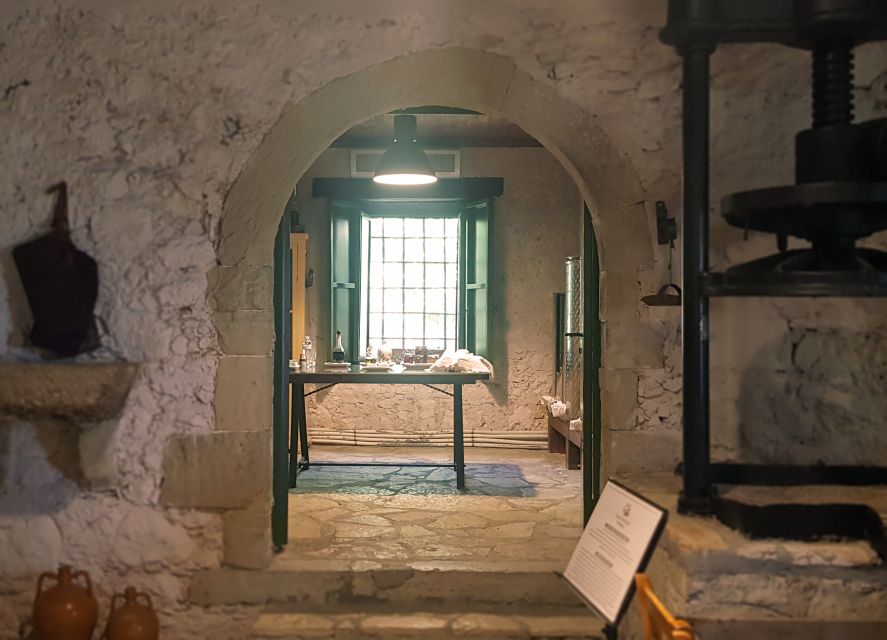
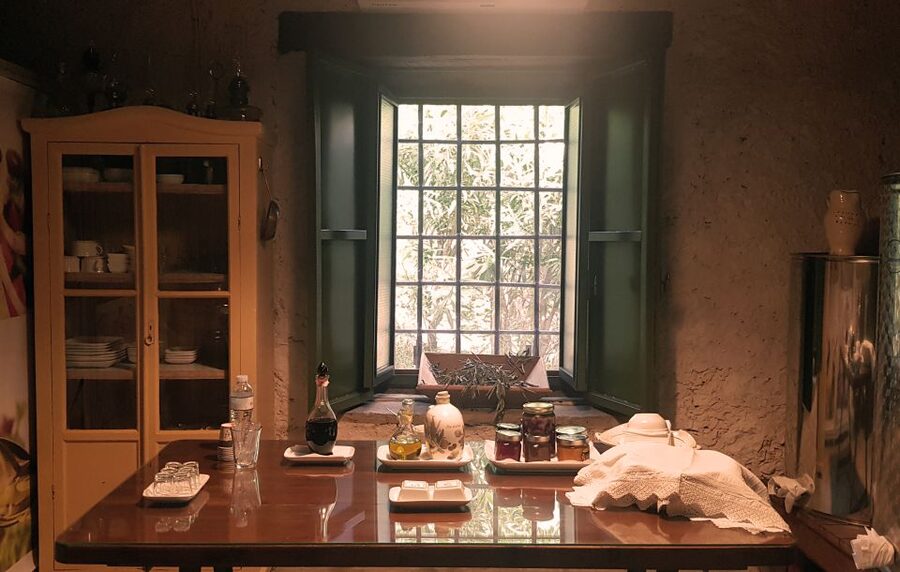
The final part takes place in an old warehouse room of the mill. Here you taste high-quality extra virgin olive oil and other handcrafted local products. The tasting gives the tour a practical finish: after hearing how the oil is made, you get to consider its flavor and quality directly.
The selection includes olive oil, marmalade, and a local drink. That range gives you more than a single sample. You can compare the oil with other local flavors and see how olive products fit into the food culture of the area.
The guide explains the tasting in detail. Pay attention here, since this is where you can learn how to think about the oil rather than simply deciding if you like it. The information provided does not list a formal tasting menu or tell you how many samples are served, so the exact selection may vary.
The tasting also makes the visit feel personal. You are not only looking at an old mill behind a barrier. You are using the final product and connecting it with other food made in the region.
A small shop or sales area may be available on the way out, where you can buy local products. The experience information specifically notes the chance to purchase local goods, but it does not promise a particular product list or prices. If you find something you enjoy during the tasting, check what is available before leaving.
Is $2.82 good value?
At $2.82 per person, this is an inexpensive activity. The price includes the video projection, guided museum tour, and tasting session. That combination gives you several elements for the cost of a modest snack or drink.
The best value comes from the way the parts connect. You watch modern production, see the traditional mill, learn about olive oil, and taste local products. None of these sections is long, but together they create a complete introduction.
The price is less compelling only if you are looking for a large museum with extensive displays or a long technical workshop. You will not spend hours here. The visit is better understood as a compact cultural stop that adds meaning to a driving day.
I would especially consider it good value for couples, families, and independent visitors who already plan to be near Syvros. Since parking is beside the museum and the activity ends at the same point, the practical cost in time is low as well.
Who should book this visit?
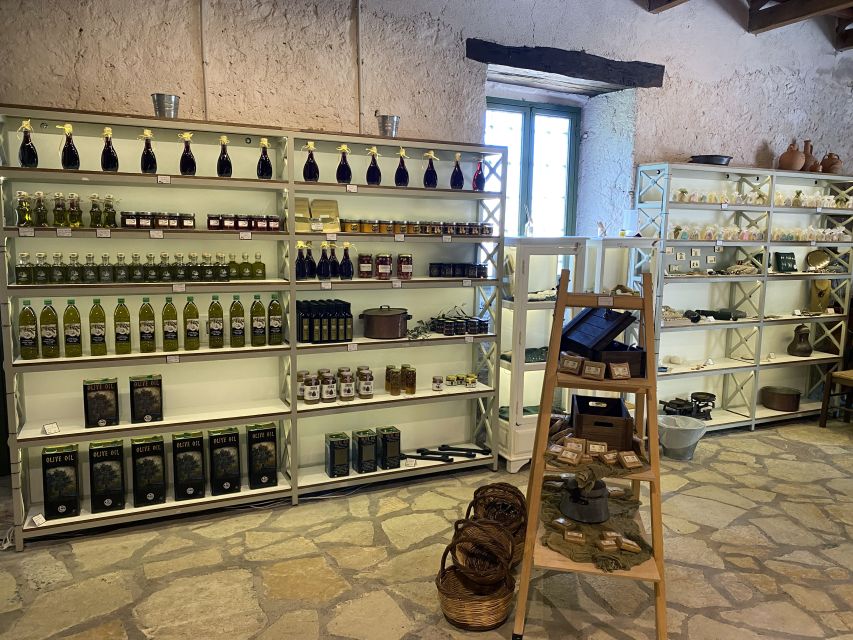
I would choose Fabbrica if you want a short, local experience with a clear food connection. It suits you if you enjoy seeing how everyday products are made, sampling regional goods, or adding a small cultural stop to a broader Lefkada itinerary.
It also fits families because the machinery and tasting offer variety. The visit does not rely on a long lecture, and the 20-minute format is easier for children than a lengthy museum tour. Parents should still bear in mind that the historic equipment may be more interesting to adults than to very young children.
Food lovers should make the tasting the main reason to come. The extra virgin olive oil is the central sample, while the marmalade and local drink broaden the experience. You can also look for local products to buy at the end.
I would be less likely to recommend it to someone who wants a full agricultural tour, a large collection, or a detailed lesson in olive cultivation. The available experience is focused on production, historic machinery, modern methods, and tasting. It does not promise an olive grove walk or an extended workshop.
Timing, language, and booking details
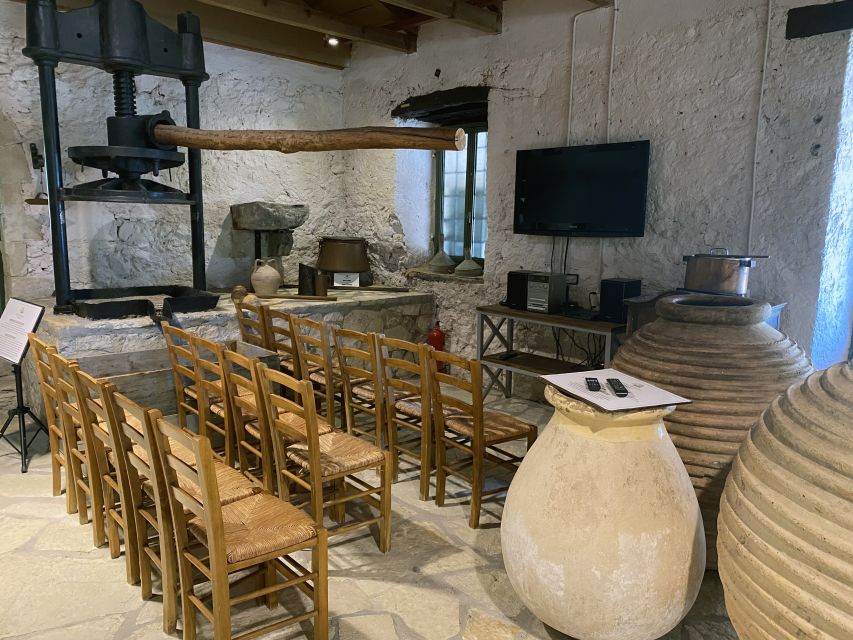
The tour lasts about 20 minutes, with starting times based on availability. Check the schedule before setting out, especially if you are coordinating it with other Lefkada stops.
The live guide speaks English, and the guided tour is included. A video projection is also part of the visit. Since the tour is short, arriving ready to begin at the scheduled time is sensible.
You can cancel up to 24 hours in advance for a full refund. The reserve-now-and-pay-later option lets you hold a place without paying immediately, which is useful when your island plans depend on weather or changing driving arrangements.
The activity is wheelchair accessible, and parking is available beside the museum. Those two details make Fabbrica easier to fit into a relaxed day than many small rural attractions.
Should you book Fabbrica Olive Museum?
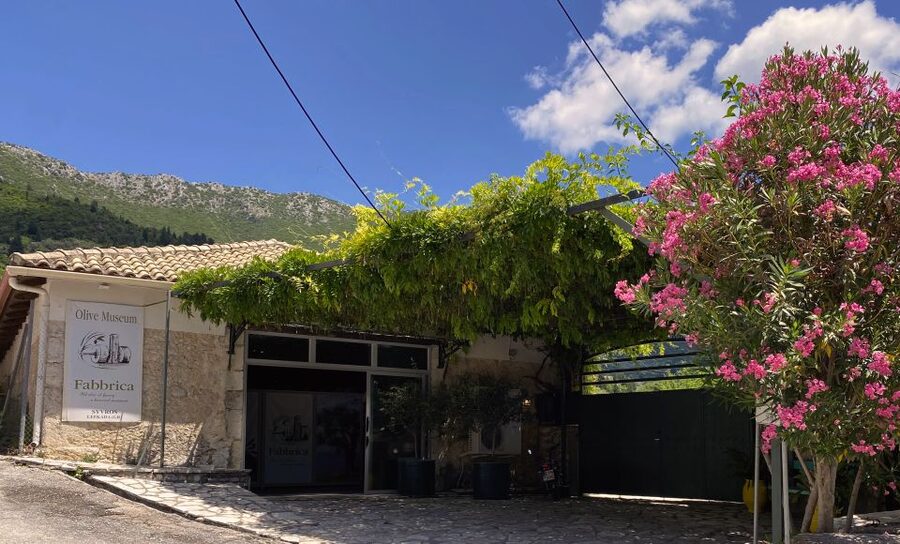
Book it if you want a low-cost, well-focused introduction to Lefkada’s olive oil tradition. The old mill, modern production film, English guidance, and tasting work well together, and the stop takes only a small slice of your day.
Skip it if you want a long museum visit or a detailed farm tour. The 20-minute format is brisk, and the experience will feel too brief for anyone seeking extensive displays.
For most visitors already exploring Syvros, I would book it. The price is modest, the logistics are easy, and the tasting gives you something concrete to remember. Just treat it as a compact local stop, not a full-day attraction.
FAQ
Where is Fabbrica Olive Museum located?
The museum is located in the village of Syvros in western Greece, on Lefkada. Marked parking spaces are available directly beside the museum.
How long does the visit last?
The listed duration is 20 minutes. Some visits may take around 20 to 25 minutes depending on the presentation and tasting.
What does the tour include?
The experience includes a video projection, a guided tour of the museum, and a tasting session.
What language is the guided tour in?
The live tour guide speaks English.
What will I see during the museum visit?
You will watch a short video about modern olive oil production, see machinery from a 19th-century olive mill, and learn how olive oil was made in the 1800s.
What can I taste?
The tasting includes high-quality extra virgin olive oil and other local products. Examples include marmalade and a local drink.
Is the museum wheelchair accessible?
Yes, the activity is listed as wheelchair accessible.
Can I cancel the booking?
Yes. You can cancel up to 24 hours in advance for a full refund. A reserve-now-and-pay-later option is also available.
Freshly pressed around Greece
- Private Tour in Historic Estate in Monemvasia with wine-olive oil tasting & meal★ 5.0 · 4 reviews
- Olive Facility Visit with Olive Oil Tasting Session★ 5.0 · 2 reviews
- SYSTASIS Olive Oil Tasting Experience in Ermioni Greece★ 5.0 · 4 reviews
- Olive Oil Tasting at the Mykonian Farm★ 4.5 · 3 reviews
- Olive Oil Tour close to Nafplio★ 4.5 · 3 reviews
- Olympia Shore Ex: Premium Private Package -Tickets & Olive Market★ 4.5 · 5 reviews
- WIne & Olive Oil Tasting in an Organic Farm in Laconia, Greece!★ 5.0 · 2 reviews
- E-Bike Kalamata Olive Routes★ 5.0 · 10 reviews
Olive Oil Museums, compared.
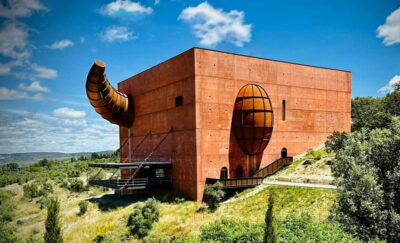
Ronda: LA Almazara LA Organic, Olive Oil Museum and Tasting
Read our review →
Split: Klis Fortress GOT and Olive Museum Entry Tickets
Read our review →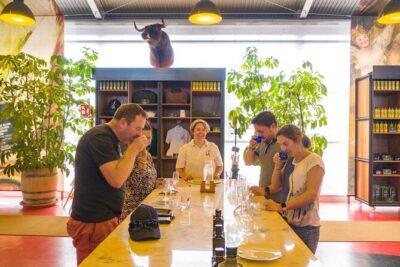
Visit Oil Mill Museum and Olive Oil Tasting in Ronda
Read our review →

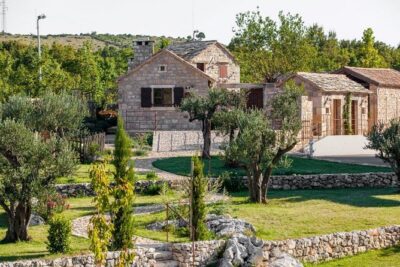
Olive museum Klis with educational olive oil tasting
Read our review →
Pula: House of Istrian Olive Oil Museum and Guided Tasting
Read our review →
Guided tour of the Museum of Olive Culture Oil Tasting
Read our review →Other lists with this tasting on them