
Review · SPLIT
Split: Olive museum Klis with Olive Oil Tasting
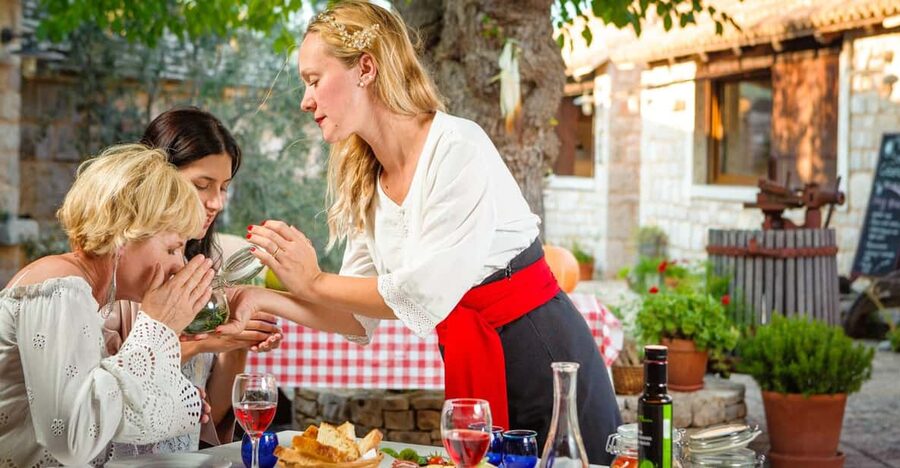
The most useful part of this Stella Croatica tour is the olive-oil lesson. You do not just sip oil and nod politely. You learn how to smell and taste it, then compare two oils labeled extra virgin. That short workshop gives you a practical skill you can use at Croatian markets and restaurants.
I like the mix of food production and botany, and I like that the visit includes both the Olive Oil Museum and a tasting room. The estate also offers samples of traditional sweets and natural cosmetics, so there is more to do than look at displays. The main drawback is that you will not see olive groves at the site itself, and the museum may feel slow if olive oil is not your interest.
Key points to know before you go
- Learn the difference in the tasting room: You will smell and taste two oils, with guidance on how professional tasters judge quality.
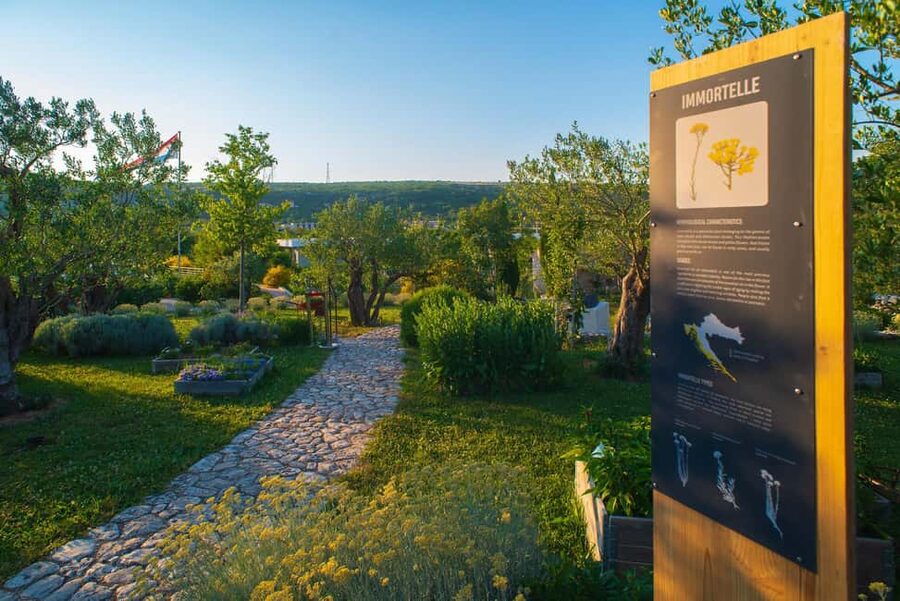
- See more than an olive museum: The visit also covers fig, almond, orange, and lavender products, essential oils, cosmetics, and a 500-species botanical collection.
- Visit an award-finalist museum: The Olive Oil Museum was a finalist for the European Museum of the Year Award in 2023.
- Expect a family-estate setting: Stella Croatica combines a small factory, museum, gardens, concept store, and traditional products in one stop.
- Plan for extra browsing time: After the guided part, you can explore the park and shop, and possibly have a traditional lunch at your own expense.
- Good value at $18: The price includes admission, the guided tour, two oil tastings, traditional sweets, and natural-cosmetic testing.
Arriving at Stella Croatica near Klis
You reach Stella Croatica by following the signs from the main road. Enter the main building and wait for your English-speaking host. The activity ends at the same place, so you do not need to arrange a second pickup point or find your way through unfamiliar streets afterward.
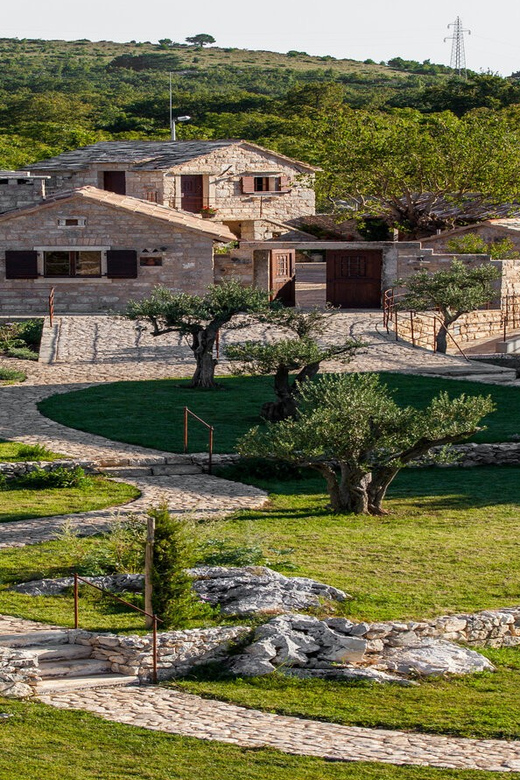
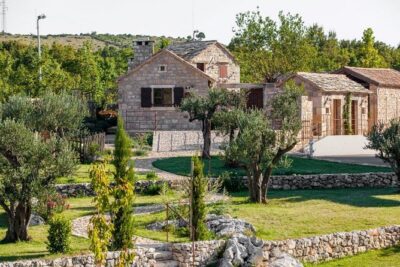
The setting matters here. This is not a tasting squeezed into a city shop. Stella Croatica is a traditional family estate with production areas, gardens, old buildings, a museum, and a concept store. You get a sense of how regional products move from local ingredients to finished goods.
The exact tour length is not given, so allow enough time to take part without rushing. The guided sections cover several different subjects, and you also have free time at the end. If you are fitting this around a busy day in Split or Klis, avoid booking it too tightly against another timed activity.
The price is $18 per person, which is a fair deal for the amount included. Admission alone would only get you inside, but this rate also covers a guide, two olive oils, sweets, and natural-cosmetic testing. Additional food and drinks cost extra.
More Olive Oil Museums around Croatia:
- Split: Klis Fortress GOT and Olive Museum Entry Tickets
★ 4.6 · 283 reviews - Split: Blue Line Sightseeing to Trogir, Klis & Olive Museum
★ 4.3 · 197 reviews - Visit Klis fortress GOT & Olive museum Klis
★ 4.5 · 77 reviews
Seeing figs, almonds, oranges, and lavender become local products
The tour begins with the estate’s traditional products. You watch local women make and pack goods using figs, almonds, oranges, and lavender. This is a useful opening because it gives the visit a human, working-estate feel rather than making the whole experience about museum cases.
The products also show how Dalmatian ingredients are used in everyday ways. Figs and almonds appear in traditional sweets, while citrus and lavender can be used in food, fragrance, and household goods. The process connects the displays to items you can later taste or buy.
You are not limited to looking through a window at the production area. The experience includes tasting traditional sweets, so you get a small sample of the finished products. The shop also lets you try handmade goods before buying them, and items are available at factory prices.
That last detail is helpful if you are looking for edible souvenirs. You can taste first and decide later instead of buying a jar or package based only on its label. The concept store carries more than olive oil, including traditional products and natural cosmetics.
From Dalmatian herbs to natural cosmetics
The next part explains how essential oils are extracted from typical Dalmatian herbs. You then see how those oils are used to make natural cosmetics. This adds another local-production angle and keeps the tour from becoming a single-subject lesson.
The cosmetic section is especially useful if you enjoy herbal products but do not know much about how they are made. You can test the natural cosmetics included in the visit. The experience does not promise a full hands-on manufacturing class, so think of this as an introduction and product-testing stop.
I like this part because it gives context to the lavender and herbs seen around the estate. Instead of treating plants as decoration, the tour explains their practical uses. You may also find products here that are easier to carry home than bottles of olive oil.
Walking through a 500-species botanical collection
The botanical collection contains 500 species. Your guide explains what some of the plants can be used for as you walk through the grounds. This is a pleasant change of pace after the factory section, and it gives you room to look around rather than listen indoors the entire time.
Do not expect an enormous botanical garden. The collection is part of the estate visit, not a separate full-day garden attraction. Still, the variety gives you a better feel for Dalmatian plant life and for the herbs used in the cosmetics and food products.
The grounds also include old buildings and a small garden. These details are worth saving time for after the main tour. One practical advantage of the open-ended finish is that you can explore at your own speed instead of being pushed straight back to the meeting point.
If you are visiting with a child, the garden and tasting sections may help hold attention between the more formal explanations. A nine-year-old was able to follow the museum and workshop, and the sensory part of the oil lesson gives younger visitors something concrete to do.
More Olive Oil Tours around Croatia:
- Split: Krka Waterfalls With Boat Cruise, Wine and Olive Oil
★ 4.3 · 1,507 reviews - Wine, food and olive oil by PhD student
★ 5.0 · 111 reviews - Hvar: Island tour with Wine and Olive Oil Tasting
★ 4.9 · 77 reviews - Olive museum Klis with educational olive oil tasting
★ 4.5 · 50 reviews
Inside the Olive Oil Museum
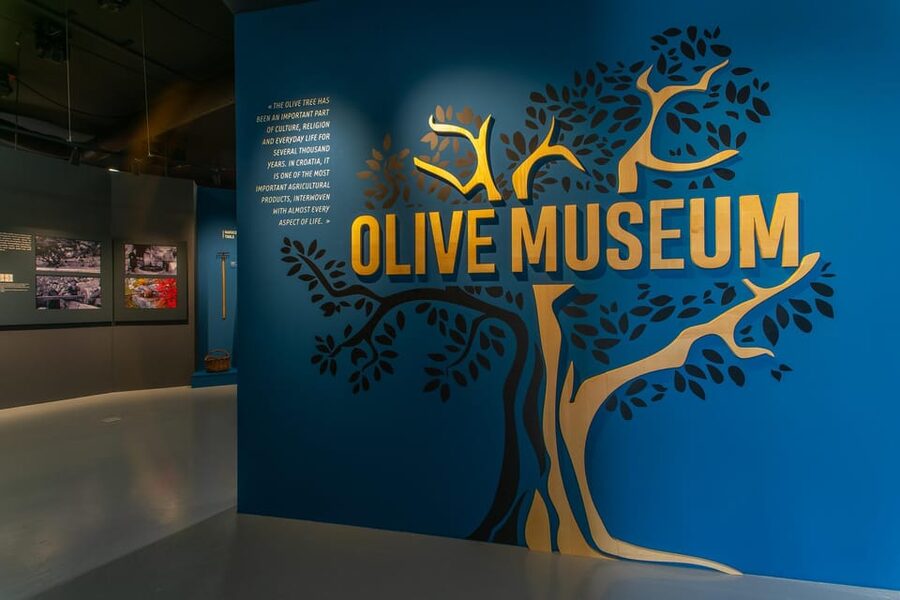
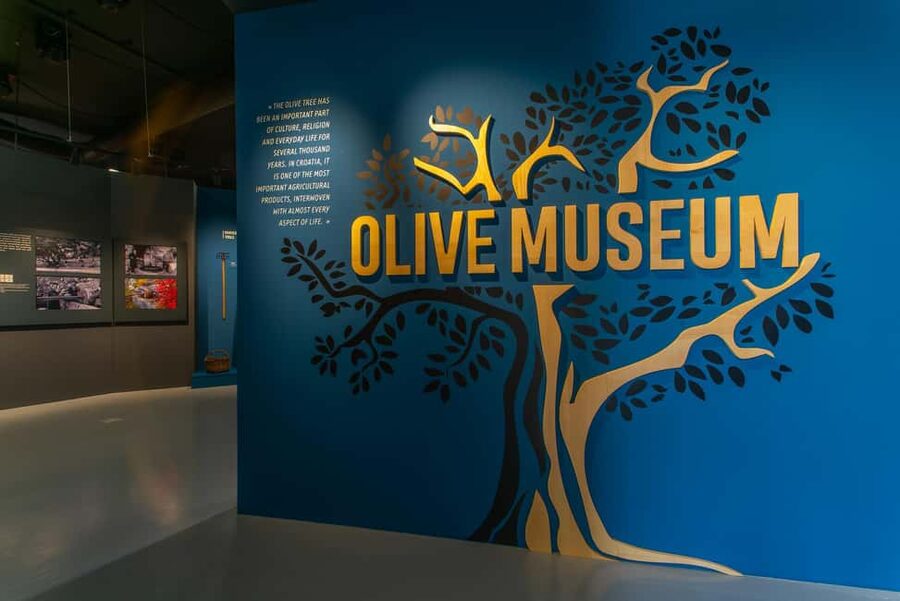
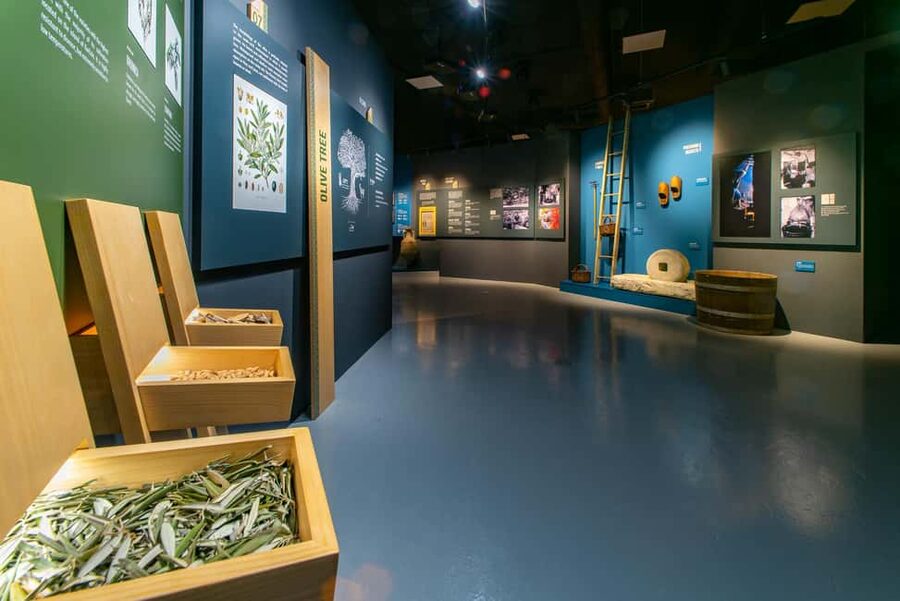
The Olive Oil Museum is the main attraction, and it presents olive oil as one of Croatia’s defining agricultural products. The tour explains liquid gold through the history and types of olive oil, with attention to what separates quality oil from inferior oil.
The museum was a finalist for the European Museum of the Year Award 2023. That is an important distinction, but it does not mean every part will suit every visitor. One section of the experience has been described as dull and lacking energy, so your enjoyment may depend on the guide and your interest in the subject.
The museum does not sit among active olive fields. You will not walk through rows of trees at Stella Croatica itself. If you want to see olive farming in the countryside, this visit may feel incomplete. It is better understood as a museum and food-production experience than as a farm tour.
That limitation is worth knowing before you book. The museum is strongest when you want to understand the product, its uses, and its quality. It is less satisfying if your main goal is a scenic olive grove walk or a close look at harvesting.
The olive-oil tasting that makes the visit worthwhile
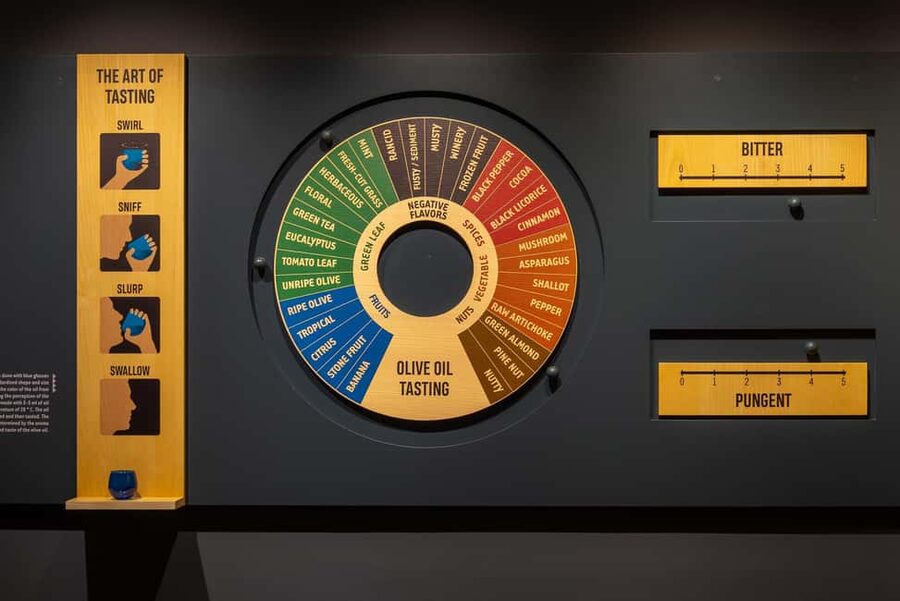
The tasting room is where the tour becomes practical. First, your host explains how to recognize extra virgin olive oil. You learn to use your nose and palate, much as a professional taster does, instead of judging an oil only by color or bottle design.
You then taste two different oils, both labeled extra virgin. The point is comparison. With two samples side by side, you can notice differences in aroma and flavor and begin to understand why the label alone does not tell you everything.
This is not a large tasting flight. You taste two oils, so you should not expect a long restaurant-style session with many varieties. But the small format works well for beginners because the lesson stays focused. You can pay attention to the method without getting lost in technical detail.
The workshop is also the part most likely to change how you shop. You learn the basics of smelling, tasting, and spotting quality. It will not turn you into a professional taster in one afternoon, but it gives you a better way to evaluate olive oil after you leave Croatia.
The tasting host is described as clear and well informed, while the museum portion may feel less lively. If the guide in the gallery is not especially engaging, the tasting can still rescue the visit. Ask questions if you want more detail, since the interactive section is designed for learning rather than passive listening.
Tasting sweets and browsing the factory-price shop
Traditional sweets are included, and the concept store lets you sample handmade products before deciding what to purchase. This is one of the better small touches of the experience. You can connect the production demonstration with the food on the table.
The shop is also a practical stop for gifts. You may find olive oil, sweets, herb products, and natural cosmetics in one place. Factory-price shopping can make the $18 admission feel more worthwhile, especially if you already planned to buy regional products.
Still, do not feel pressured to purchase anything. The tasting is part of the activity, and you can try the products even if you do not intend to buy them. That makes the shop more useful than a standard souvenir counter.
Food and drinks are not allowed during the activity, aside from the provided tastings. After the tour, you have time to explore the park or have traditional lunch, but that meal is not included in the price.
How the experience works for families and different interests
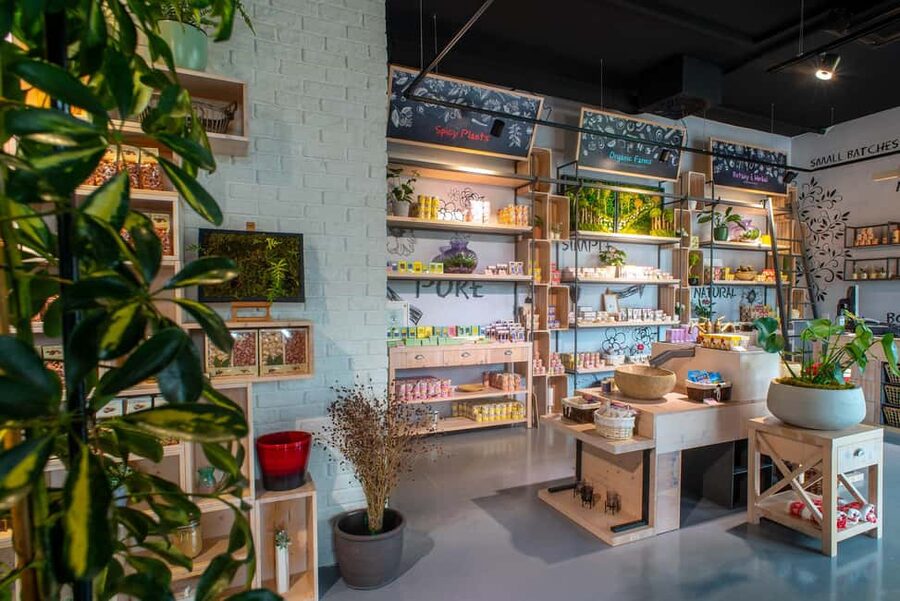
This is a good fit for food-curious visitors, couples, families, and anyone who wants a short cultural stop near Klis. The tasting is simple enough for beginners, and the garden, sweets, and cosmetics add variety for people who are less focused on olive oil.
Families should note that the museum explanations are not designed as a children’s play activity. Younger visitors may enjoy tasting, smelling, the botanical collection, and the old buildings more than the formal museum material. A child who can follow a clear explanation can still take part in the workshop.
Olive-oil enthusiasts will get the most from the visit. You can ask about quality, types, and tasting technique, then continue learning in the shop. If you already know a great deal about oil, the basics may feel familiar, and the two-oil tasting may be too short for your level.
The tour is conducted in English. No other language is listed, so confirm that English suits everyone in your group before booking. Since the visit includes walking through the collection and park, comfortable shoes are sensible, though no specific accessibility details are provided.
Timing, booking, and cancellation
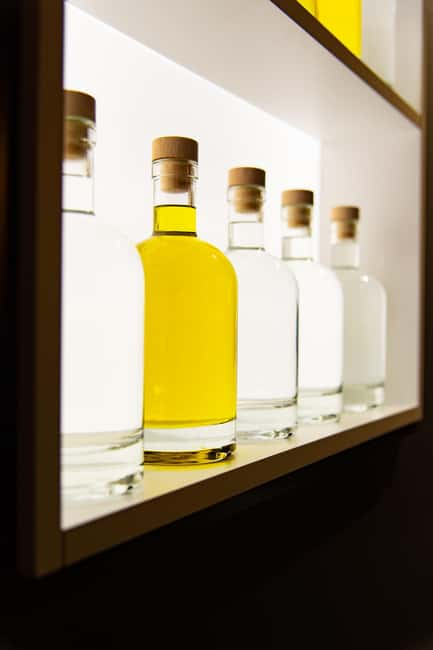
The meeting point is easy to understand: follow the signs to Stella Croatica, enter the main building, and wait for the host. The activity returns to that same point.
You can reserve now and pay later, which helps if your Split plans are still changing. Cancellation is allowed up to 24 hours in advance for a full refund. Food and drinks beyond the included tastings are not part of the price, and video recording is not allowed.
Because no fixed duration is provided, check the booking details before setting your next appointment. The combination of guided stops and free time means the total visit may depend partly on how long you browse the museum, park, and shop.
Is the $18 price worth it?
At $18, this is a solid value if you use the full visit. You receive entry to the estate and museum, a guided tour, two olive oils to taste, traditional sweets, and cosmetic testing. The variety would cost more to recreate through separate stops, and the tasting gives the admission a clear purpose.
The value drops if you want only a scenic outdoor visit. There are no olive groves at the site, and the botanical area is described as small rather than vast. The museum guide may also be less animated than you hope.
I would book it for a practical introduction to Croatian olive oil, especially if you are already visiting Klis or want a change from historic sites in Split. I would skip it if you dislike product demonstrations, prefer active farm visits, or have little interest in food production.
Should you book Stella Croatica?
Book this experience if you want to learn a useful tasting skill, sample local products, and see several parts of a family estate in one visit. The olive-oil workshop is the strongest reason to go, and the botanical collection, cosmetics, sweets, and shop give the outing enough variety.
Go with realistic expectations. This is not a walk through olive orchards, and the museum presentation may feel dry to some people. At $18, though, the visit offers good value for curious families, food lovers, and anyone who wants a relaxed Croatian experience with something practical to take home.
FAQ
Where is the olive-oil experience located?
It is held at Stella Croatica near Klis in Dalmatia, Croatia.
How much does the experience cost?
The listed price is $18 per person.
What is included in the admission?
The price includes entry to Stella Croatica and the Olive Oil Museum, a guided tour, two olive-oil tastings, traditional sweets, and natural-cosmetic testing.
Is the tour available in English?
Yes. English is the listed tour language.
How many olive oils will I taste?
You will taste two different olive oils, both labeled as extra virgin.
Will I see olive trees or olive fields?
There are no olive trees or fields at the site itself. The experience focuses on the museum, tasting, estate, botanical collection, and local products.
Can I buy products after the tour?
Yes. The concept store sells handmade products, including olive oils and other traditional goods. Products can be purchased at factory prices.
Is lunch included?
No. You may have traditional lunch after the activity, but additional food and drinks are not included.
Can I explore the grounds after the guided tour?
Yes. You have free time to explore the park and botanical collection after the main experience.
Where does the activity start and end?
You start by entering the main Stella Croatica building and waiting for the host. The activity ends back at the same meeting point.
Freshly pressed around Croatia
- Makarska Tuk Tuk Tour Olive Grove, Scenic Views and Tastings★ 5.0 · 3 reviews
- Small-Group Olive Oil Tour in Cres with Tasting★ 5.0 · 2 reviews
- Private Hvar Island Tour and Olive Oil Tasting★ 4.5 · 10 reviews
- Poreč: Olive Grove Walk and Tasting with Local Products★ 5.0 · 5 reviews
- Kastela: Wine & Olive Tasting Tour w/Delicacies & Live Music★ 5.0 · 5 reviews
- From Biograd: Wine and Olive Oil Tasting in Ražnjevića Dvori★ 4.7 · 3 reviews
- Private Split & Klis Fortress Tour, Olive Museum & Port Pickup★ 4.5 · 13 reviews
- Istrian hill top cities tour with truffle and olive oil tasting★ 5.0 · 18 reviews
Olive Oil Museums, compared.
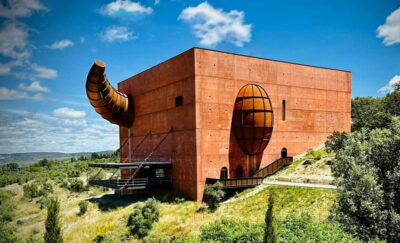
Ronda: LA Almazara LA Organic, Olive Oil Museum and Tasting
Read our review →
Split: Klis Fortress GOT and Olive Museum Entry Tickets
Read our review →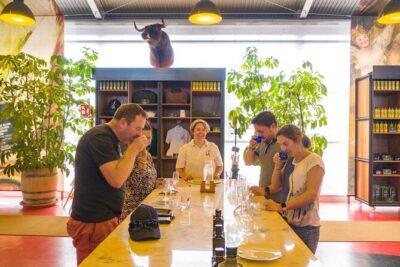
Visit Oil Mill Museum and Olive Oil Tasting in Ronda
Read our review →
Olive museum Klis with educational olive oil tasting
Read our review →
Pula: House of Istrian Olive Oil Museum and Guided Tasting
Read our review →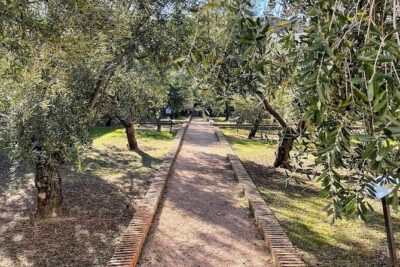
Guided tour of the Museum of Olive Culture Oil Tasting
Read our review →
Lefkada: Olive Museum Fabbrica Ticket and Guided Tour
Read our review →Other lists with this tasting on them