
Review · ITALY
Olive Mill Tour and Tasting in the Padua Hills
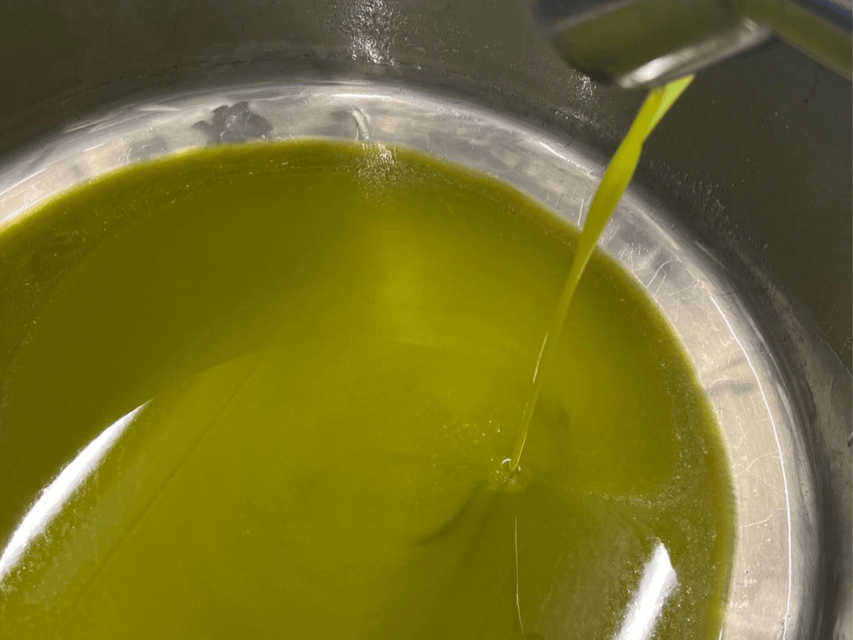
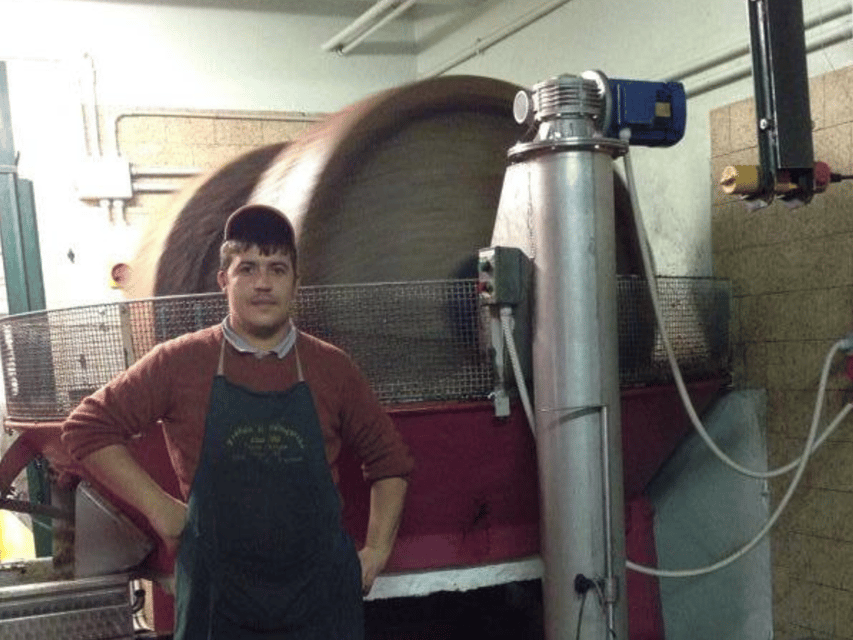
The most interesting part of this experience is the contrast between an old mule-powered mill and a modern olive oil facility. At Frantoio di Valnogaredo, original granite millstones and antique pressing methods sit alongside cold extraction equipment, giving you a clear look at how olive oil making has changed.
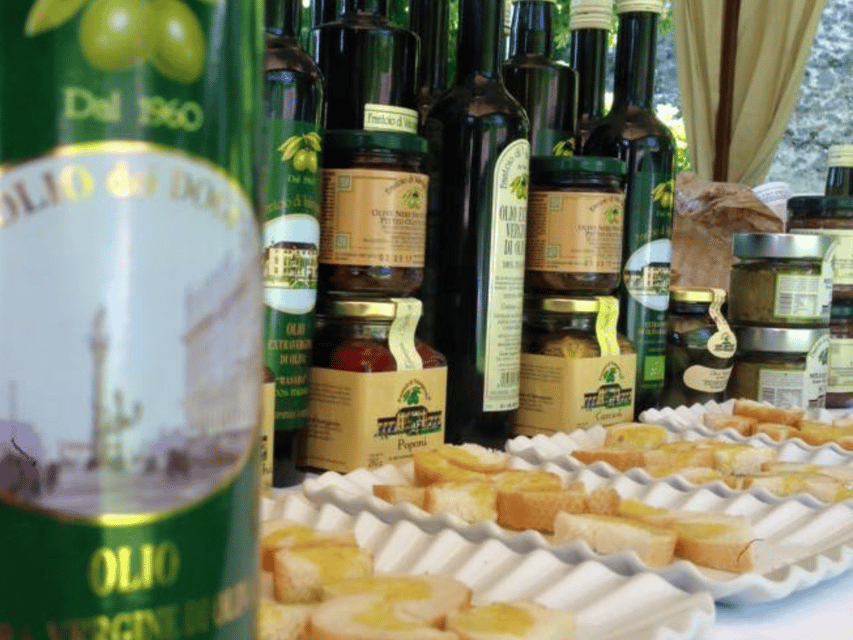
I like the small groups of no more than 10 and the personal, family-run feel. I also like that the tasting is not limited to oil on its own: fresh bread, olive pâtés, basil pesto, sun-dried tomato pâté, and olives help you understand how the oil works at the table.
The main drawback is the short one-hour format. You get a useful introduction and a generous tasting, but this is not a full-day farm visit, and the mill is about 45 minutes by car from Padua, with transport not included.
Key points to know before you book
- Traditional and modern production: See granite millstones and old pressing equipment beside current cold extraction technology.
- A scenic Colli Euganei setting: The mill sits near Valnogaredo and Arquà Petrarca, among olive trees and volcanic hills.
- A focused tasting: Sample D.O.P. Veneto Euganei and Berici oils, organic oils, and the Rasara monocultivar.
- More than oil: Fresh bread comes with olive pâtés, pesto, sun-dried tomato pâté, and olives in brine.
- Personal guiding: English and Italian tours are limited to 10 people, with guides including Claudia and Clara.
- Useful flexibility: You can cancel up to 24 hours before the start for a full refund, and reserve now while paying later.
Why this olive mill is worth the drive from Padua
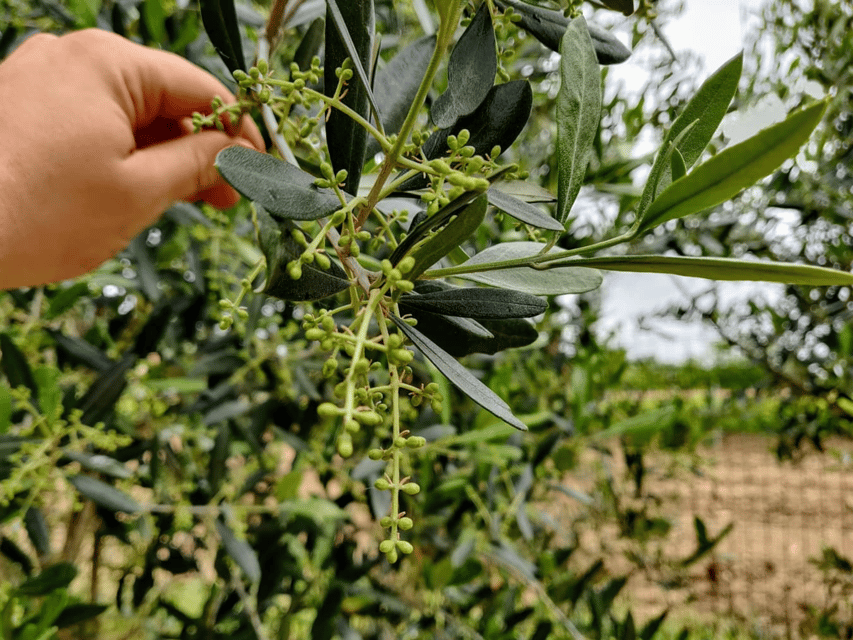
Frantoio di Valnogaredo is in Valnogaredo, a village in the Colli Euganei park, roughly 45 minutes by car from Padua. You arrive at a small group of houses and olive trees rather than a large commercial attraction. That setting matters: the experience feels tied to the farms and hills around it, not separated from them.
The mill’s story reaches back to the 1700s, when it was founded by the Dogi Contarini at Villa Contarini. It later moved to its present location in the 1960s. The setting near Arquà Petrarca adds another layer of local interest, since the historic town is associated with the poet Francesco Petrarca.
I would pair this visit with time in the Colli Euganei rather than treat it as a quick stop between Padua sights. The countryside views, olive groves, and nearby villages make the drive part of the outing. If you do not have a car, plan carefully because transport from Padua is not included.
More Olive Mill and Factory Tours in Italy
- Bardolino: Lake Garda Oil Mill Tour with Olive Oil Tasting
★ 4.9 · 205 reviews - Lecce to Galatina E-Bike: Olive Mill & Wine Tasting + Taxi back
★ 5.0 · 54 reviews - Olive Oil Tour Visit to the oil mill and olive oil tasting
★ 5.0 · 53 reviews
What happens during the 45-minute mill tour
The visit begins with a welcome and an explanation of the mill’s past. You learn how a small operation powered by mules developed into the facility you see today. This introduction gives the machinery some meaning, instead of turning the tour into a simple walk past equipment.
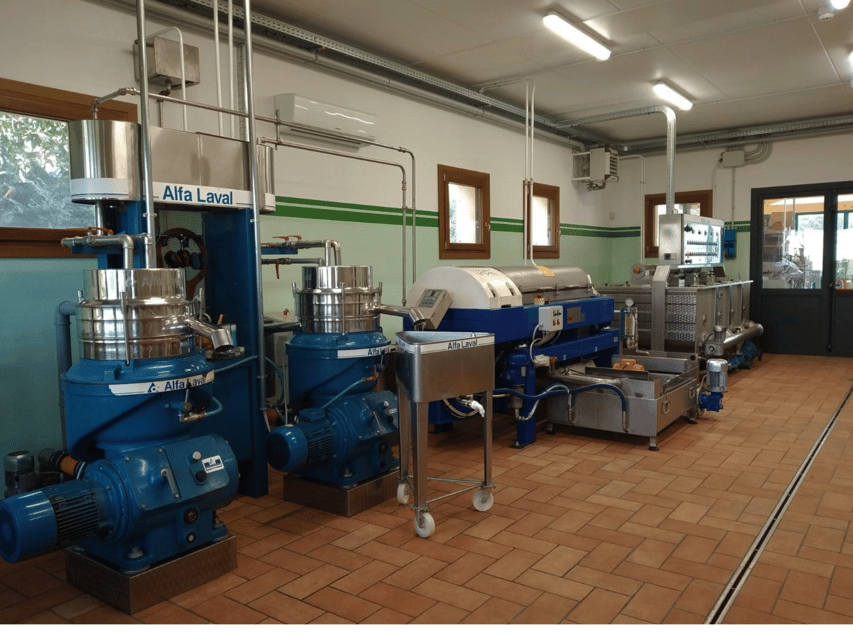
The most useful lesson is the side-by-side look at old and new methods. The original granite millstones and antique pressing equipment show how olives were once crushed and pressed. Modern cold extraction systems show how the mill now works to protect the oil’s flavor and nutritional qualities.
You follow the basic production path from grove to bottle. Olives are harvested from organic groves on Monte Brecale and Monte Resino, then cleaned and milled before the oil is extracted. The guide explains how the fruit is handled and how different production methods affect the finished oil.
The volcanic soil of the Colli Euganei is part of the story too. It helps give the local olives their own character, and the tasting lets you compare those differences rather than simply hearing about them. You will not become an olive oil producer in 45 minutes, but you should leave knowing what happens between harvest and bottle.
The tour is especially good for people who want practical food knowledge. You can ask questions about traditional pressing, current extraction, organic cultivation, and the standards used for D.O.P. oils. Since the group is small, the guide can usually keep the explanation conversational rather than delivering a fixed speech to a crowd.
The 15-minute tasting is the real payoff
After the mill tour, you sit down for a guided tasting. The oils include D.O.P. Veneto Euganei and Berici varieties, organic extra virgin olive oils, and the Rasara monocultivar. Sampling several types helps you notice that olive oil is not one single flavor, even within the same region.
Fresh bread gives you a simple way to compare them. You can taste the oils directly with the bread, then judge how they work with other foods. The tasting includes black and green olive pâtés, basil pesto, sun-dried tomato pâté, and olives in brine.
This spread makes the experience more useful than a quick sip of oil at the end of a tour. You get ideas for using the products at home, and you can compare the oils with salty, herbal, and tomato-based flavors. If you find a favorite, oil is available to buy and take home.
The tasting is only 15 minutes, so expect a focused introduction rather than a long food presentation. That short format works well if you are fitting the mill into a busy day, but anyone hoping for a large meal should adjust expectations. This is a tasting, not lunch.
The old mill and new technology tell the best story
Many olive oil visits focus only on tradition. Here, tradition is important, but it is placed beside current production methods. That contrast helps you understand why modern cold extraction is valued and how a mill can protect familiar flavors while using updated equipment.
The old granite stones also add a strong visual element. They connect the current business to its earlier life as a small, mule-powered mill. You are not simply hearing that the mill is old. You can see the physical tools linked to its earlier work.
At the same time, the mill is not presented as a museum frozen in the past. Solar panels, biogas production, and water recycling show how the operation addresses energy and resource use today. The organic groves and D.O.P. standards add another layer, since quality here depends on both farming practices and careful processing.
I find this balance useful. You get the romance of an old rural mill without being asked to believe that older methods are automatically better. The tour explains the relationship between heritage, technology, product quality, and environmental care.
Same olive country, a different way to taste it:
- Sorrento Farm and Food Experience including Olive Oil, Limoncello, Wine tasting
★ 5.0 · 2,524 reviews - Olive oil tasting in Sorrento
★ 5.0 · 434 reviews - Sorrento: Lemon, Olive Oil and Wine Tasting Tour with Lunch
★ 5.0 · 300 reviews - Alghero: Wine and Olive Oil Tasting at a Local Farm
★ 4.8 · 294 reviews
Organic groves, D.O.P. oils, and the Rasara olive
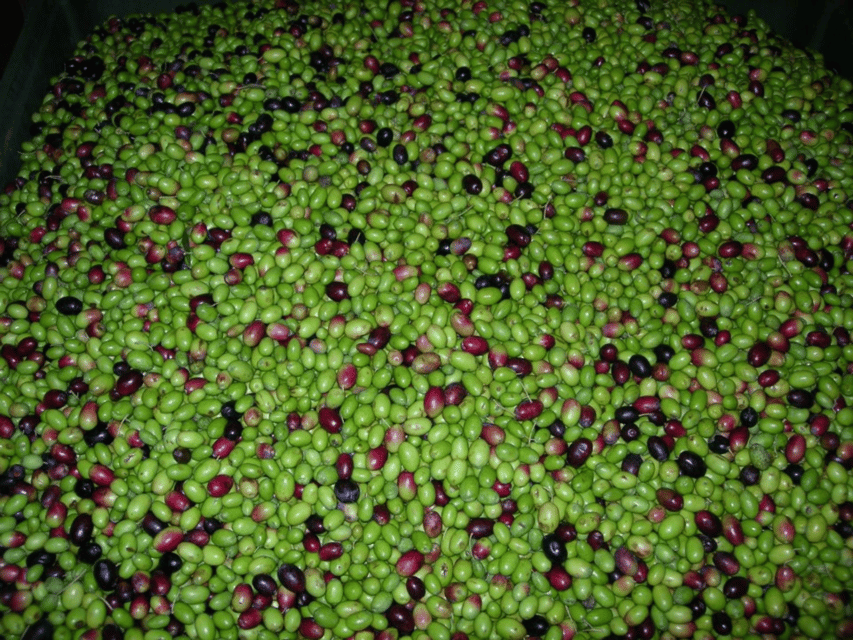
The mill’s olives come from organic groves on Monte Brecale and Monte Resino. Organic cultivation is not just a label to notice on a bottle. It tells you that the fruit comes from groves managed under strict organic standards, while D.O.P. certification connects certain oils to protected regional production rules.
The D.O.P. Veneto Euganei and Berici oils give you a taste of the area’s recognized styles. The organic oils let you compare products made under those cultivation standards. The Rasara monocultivar is particularly useful for understanding how the type of olive can shape an oil’s character.
You do not need advanced tasting skills to enjoy this part. Pay attention to the differences in aroma, bitterness, fruitiness, and finish as the guide leads you through the samples. Fresh bread keeps the tasting approachable and helps you focus on the oils without making the session feel overly formal.
If you are buying oil to take home, ask about the varieties you preferred and how the mill uses them. The supplied experience information confirms that visitors can purchase oil, but it does not specify bottle sizes, prices, or shipping. Check those details at the mill.
A personal small-group visit with English or Italian guiding
The experience is limited to 10 participants, which is a meaningful advantage in a working mill. You are less likely to be lost at the back of a large group, and there is more room to ask about the machinery, groves, or tasting notes.
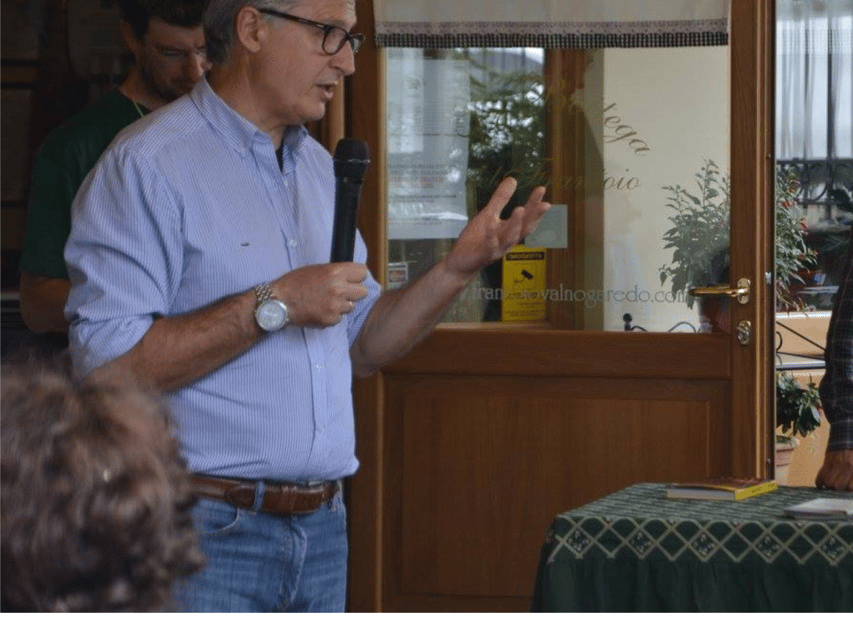
Guiding is available in English and Italian. Claudia and Clara are among the guides associated with the experience, and the feedback about the guiding points to a warm, personal approach. One family with two adults and two children received extra attention during its visit, which suggests the format can work well for families rather than only for food specialists.
A private-feeling visit is also possible when numbers are low. Some scheduled groups have ended up with only a few people, but you should not assume every departure will be private. The stated group limit is 10.
The one-hour length helps with planning. The tour takes about 45 minutes and the tasting about 15 minutes, with the visit beginning and ending at the mill. You can also use self-guided walking routes in the olive orchards if you want a little more time outdoors, although the supplied details do not give the length or exact route of those walks.
Who will get the most from this experience
I would recommend this mill visit to several kinds of visitors:
- Food-minded visitors who want to understand why extra virgin olive oils taste different.
- Couples and friends looking for a compact countryside outing from Padua.
- Families who prefer a hands-on food stop with a short tour and tasting.
- History fans interested in the mill’s 1700s origins and old equipment.
- Sustainability-minded visitors who want to hear about solar power, biogas, water recycling, and organic farming.
- People building a Colli Euganei day around Arquà Petrarca and nearby rural sights.
It may be less suitable if you want a long farm walk, a full meal, or a broad regional food tour. The attraction is focused: one mill, one production story, and one tasting. That focus is part of its value, but it also defines the limits.
Is $47 a fair price?
At $47 per person, this is not the cheapest food tasting you could add to a Padua itinerary. The price makes more sense when you count the guided mill visit, the small group, the instruction about production methods, the multiple oils, and the gourmet pairings.
You are also paying for access to a working producer in the Colli Euganei, not just a retail counter with samples. The chance to see antique granite stones beside modern cold extraction equipment gives the visit more substance than a simple tasting.
Still, value depends on your route. If you already plan to drive through the hills, $47 is easier to justify because the mill fits naturally into a countryside day. If you need to arrange a costly taxi or private transfer only for this one-hour stop, transport could change the calculation, since getting from Padua is not included.
The option to buy oil at the end adds practical value for anyone who enjoys bringing regional food home. Just remember that purchases are extra, and the experience price does not cover gratuity or transportation.
Practical details for a smoother visit
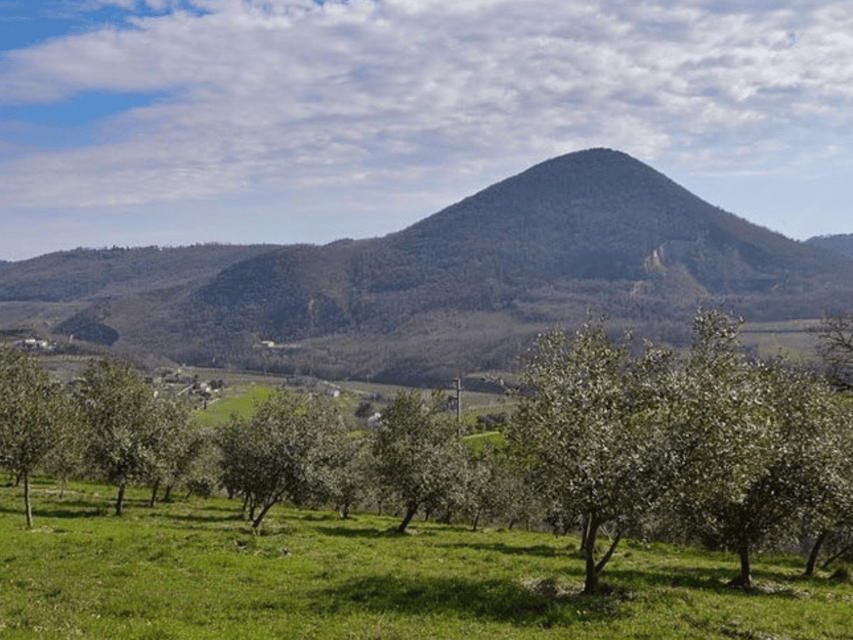
The meeting point is Frantoio di Valnogaredo s.a.s. in Valnogaredo, close to Padua and inside the Colli Euganei park. Driving from Padua takes about 45 minutes. The visit starts and finishes at the mill, so allow extra time for your own route and for enjoying the surrounding area.
The activity is wheelchair accessible. English and Italian are available, and the group size is capped at 10 participants. Starting times vary, so check availability before planning other stops around it.
You can cancel up to 24 hours before the experience for a full refund. You can also reserve now and pay later, which is useful if your Padua schedule is still shifting.
Wear practical footwear if you plan to use the orchard walking routes. The supplied details do not specify trail conditions, so treat the walk as an optional add-on rather than assuming a formal hike. If you are visiting with children, the short duration and food tasting should be manageable, though the mill tour itself is mainly about production and machinery.
Should you book this olive mill tour?
Book it if you want a genuine local food experience with a clear story, a scenic setting, and enough tasting to make the $47 meaningful. The strongest reasons are the small groups, the comparison between old and modern methods, the excellent range of oils, and the chance to taste them with bread and regional-style spreads.
I would be especially keen to add it to a day around Arquà Petrarca and the Colli Euganei. I would skip it only if you cannot spare the drive from Padua, need a full meal, or want a much longer farm visit. For most people who enjoy olive oil and rural Veneto, this is a smart one-hour stop with real substance.
FAQ
Where does the olive mill tour take place?
It takes place at Frantoio di Valnogaredo s.a.s. in Valnogaredo, a village near Padua in the Colli Euganei park.
How far is the mill from Padua?
The mill is about 45 minutes away by car from Padua.
How long does the experience last?
The experience lasts one hour, including a 45-minute guided mill tour and a 15-minute food tasting.
What languages are available?
The live tour is available in English and Italian.
What will I taste?
You can taste D.O.P. Veneto Euganei and Berici extra virgin olive oils, organic oils, and the Rasara monocultivar. The tasting also includes fresh bread, black and green olive pâtés, basil pesto, sun-dried tomato pâté, and olives in brine.
Is the experience wheelchair accessible?
Yes, the activity is wheelchair accessible.
How many people are in each group?
The group is limited to 10 participants.
Can I cancel my booking?
Yes. You can cancel up to 24 hours in advance for a full refund. You can also reserve now and pay later.
Freshly pressed around Italy
- E-bike tour in Ostuni, the olive trees and the rock village★ 5.0 · 4 reviews
- Tuscan ExtraVirgin Olive Oil Tour★ 5.0 · 4 reviews
- Wine and Extra virgin olive oil tasting in Lucca, Tuscany★ 5.0 · 3 reviews
- Lecce : Half day E-Bike tour to Old Olive Mill & Olive Oil Taste★ 5.0 · 3 reviews
- Bellagio/Lezzeno/Oliveto Lario to/from Milan Malpensa Apt (Private Transfer)★ 5.0 · 4 reviews
- Sunset Magic E-bike Tour at Sunset in Capoliveri★ 5.0 · 4 reviews
- Leonardo Da Vinci’s wind mill visit and Organic olive oil tasting★ 4.5 · 12 reviews
- Chianti from Florence:PRIVATE Wine, Olive Oil Tasting in the Tuscan countryside★ 5.0 · 2 reviews
Olive Mill and Factory Tours, compared.
Crete: Quad Safari, Olive Mill with Tasting & Ghost Village
Read our review →
From Mendoza: 3 Wineries, Olive Oil Factory Tour & Tasting
Read our review →
Knossos-Zeus Cave -Old Traditional Villages-Olive Oil Factory
Read our review →
The Governor’s Olive Mill Tour with Olive Oil Tasting
Read our review →
Crete: Road-trip to Lasithi, Zeus Cave & Olive Mill Farm
Read our review →
Lassithi, Zeus Cave, Olive Mill Farm & Knossos Combo Tour
Read our review →
Zeus Cave, Lassithi Plateau, Olive Oil Factory, Kritza, Pottery
Read our review →
Crete: Zeus Cave, Lassithi Plateau, and Olive Factory Tour
Read our review →Other lists with this tasting on them