
Review · PELOPONNESE
Olive oil Mill Visit & Olive oil tasting Experience
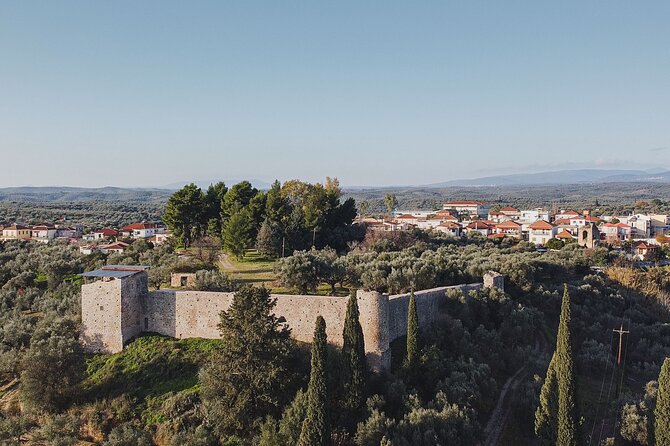
The real charm of this olive oil tour in Messinia is that it connects the oil in your kitchen to the trees, tools, people, and food of the region. You begin at the 13th-century castle of Androusa, visit a traditional olive museum operating in the village for more than 120 years, then see how a modern mill produces extra virgin olive oil.
I like the clear tasting lesson and the generous local pairings, especially Kalamata olives, tapenade, bread, cheese, and vegetables. I also like the small-group limit of 16, which gives guides such as Athanasia, Dimitra, Kalliopi, and Georgia room to explain rather than rush. The main consideration is timing: the visit lasts about 90 minutes, and you may not see the machinery running outside the harvest season. Lunch is not included.
Key points to know before booking
- Three different views of olive culture: See Androusa Castle, a long-running traditional olive museum, and a modern oil mill.
- A proper tasting lesson: An olive oil expert explains aroma, flavor, and the traits that define extra virgin oil.
- Local food is part of the lesson: Taste Kalamata olives, tapenades, bread, cheese, and vegetables with the oils.
- Convenient from Kalamata: The meeting point is about a 20-minute drive from Kalamata and 10 minutes from Ancient Messene.
- Small-group format: The group is capped at 16 people, with an English-speaking tour leader.
- Plan around the season: The olive mill machinery may not be operating when olives are not being processed.
Why this short tour works in Messinia
Olive oil is not a side note in the Peloponnese. It is part of daily cooking, village life, family work, and the identity of Messinia. This experience gives you a practical way to understand that connection without committing to a full day in the countryside.
The setting helps. Androusa is in the heart of Messinia, and the meeting point is easy to combine with a visit to Ancient Messene. From Kalamata, the drive takes about 20 minutes. If you are building a day around the archaeological site, this tour adds a food tradition without sending you far out of your way.
At $54.31 per person, the price is fair for a 90-minute guided visit that includes two mill settings, expert instruction, and several tastings. It is not a bargain if you only want to sample olive oil, since Greek shops and restaurants can offer that for less. You are paying for the explanation, the access to the production spaces, and the chance to understand what you are tasting.
More Olive Mill and Factory Tours in Greece
- Crete: Quad Safari, Olive Mill with Tasting & Ghost Village
★ 4.9 · 1,004 reviews - Knossos-Zeus Cave -Old Traditional Villages-Olive Oil Factory
★ 5.0 · 694 reviews - The Governor’s Olive Mill Tour with Olive Oil Tasting
★ 5.0 · 502 reviews
Starting at the 13th-century castle of Androusa
The tour begins at the castle of Androusa. This opening gives the experience a sense of place before the food starts. You are not meeting at an anonymous shop or tasting room. You begin in a village with a long connection to the surrounding olive-growing area.
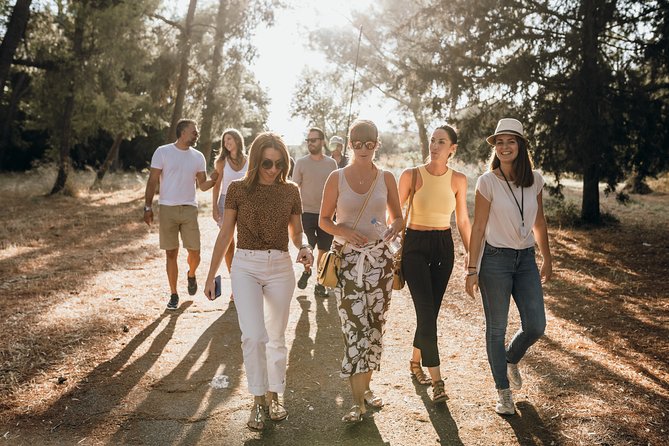
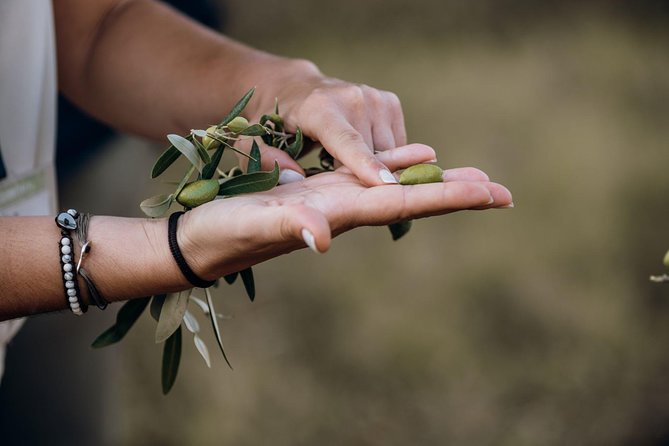
The tour leader introduces local olive varieties and points out perennial olive trees. Their age matters because olive growing is not simply an agricultural process here. Trees can connect several generations of a family, and the stories attached to them help explain why olive oil carries such weight in local culture.
You should expect interpretation rather than a long archaeological visit. The castle is the starting point for the experience, not a separate guided fortress tour. Still, it is a useful first stop, especially if you have just come from Kalamata and want an introduction to the area before looking at oil production.
The outdoor portion also depends on weather. The activity requires good conditions, so keep that in mind when arranging it around a fixed day at Ancient Messene or another outdoor stop.
A 120-year-old olive museum in the village
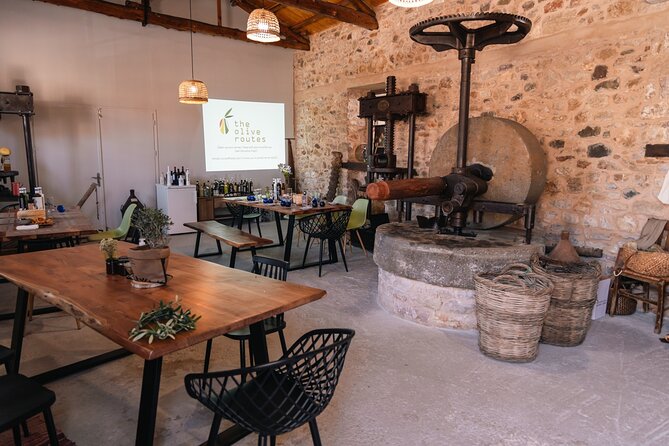
In central Androusa, you visit a traditional olive museum that has been part of the village for more than 120 years. This is where the older methods become easier to picture. The museum helps you understand how olive oil was made before modern equipment changed the speed and scale of the work.
I find this contrast especially useful. A modern mill can make the process look clean and technical, with stainless steel equipment and carefully controlled stages. The older museum puts that technology in perspective. Olive oil production was once more closely tied to village labor, seasonal routines, and equipment that remained in use for decades.
The museum is also a good place to ask questions about the difference between olives grown for oil and olives prepared for eating. The experience covers both, and the later tasting makes that distinction practical rather than abstract.
Do not expect a large museum complex. The appeal is its age, local setting, and connection to the village. You are visiting a working piece of Androusa’s olive culture, not a major national museum with a long list of exhibits.
Seeing the modern mill and the extra virgin process
The next stop is a modern olive oil mill. Here, the focus shifts from heritage to production. You learn how olives become oil and what separates extra virgin olive oil from lower grades.
This is the part that can change how you shop. Extra virgin is not simply a color or a marketing phrase. The oil must meet specific quality standards, and the tasting helps you notice the characteristics used to judge it. The guide explains the sensory elements, including the flavors and aromas that show up in a fresh oil.
The mill visit is also seasonal. If olives are being processed, the equipment and production area give you a stronger sense of the work. Outside the harvest period, you may see the machinery but not watch it running. One useful point raised during the experience is that a separate visit can include more time among olive groves and gardens, so this 90-minute tour should not be confused with a longer plantation-focused outing.
That limitation is worth considering if your main goal is to walk through the groves. This tour introduces the trees and tells their stories, but it is built around the museum, mill, and tasting workshop.
Same olive country, a different way to taste it:
- From Chania: Olive Oil, Wine, Cheese & Honey Tasting Tour
★ 4.6 · 490 reviews - Crete: Road-trip to Lasithi, Zeus Cave & Olive Mill Farm
★ 4.4 · 451 reviews - Heraklion: Olive Farm Tour with Tasting of Local Delicacies
★ 4.9 · 411 reviews - Lassithi, Zeus Cave, Olive Mill Farm & Knossos Combo Tour
★ 4.6 · 404 reviews
Learning to taste olive oil properly

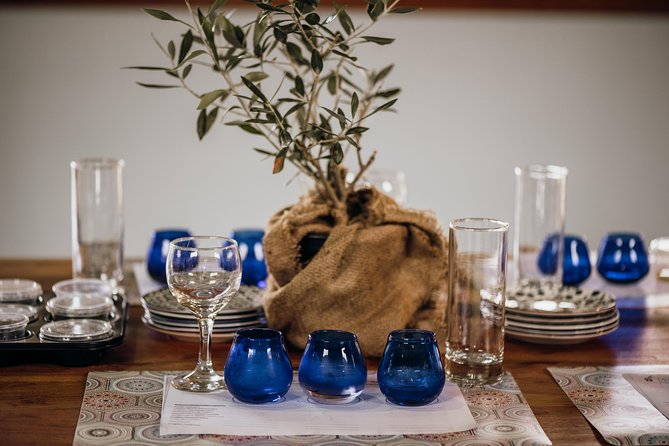
The tasting is the heart of the visit. Instead of simply dipping bread into oil and choosing the one you like, an olive oil expert guides you through different varieties and their organoleptic traits. That means you pay attention to smell, flavor, texture, and the sensations left in your mouth.
The lesson is useful because olive oil can taste surprisingly different from one sample to another. You may notice fruitiness, bitterness, or a peppery finish. Those traits are not automatically flaws. The guide helps you understand which qualities are part of a sound extra virgin oil and which signs suggest poor quality or age.
The workshop has an interactive feel. Guides explain the process, invite questions, and use the samples to show how tasting works. You do not need prior knowledge, and the subject is accessible even if you usually buy whichever bottle has the most attractive label.
I particularly like that the tasting is tied to the mill visit. You first see where the oil comes from, then learn how to assess it. That order makes the lesson stick. By the end, you have a better chance of identifying a quality bottle in a Greek market or back home.
Kalamata olives, tapenade, and small local bites
The food pairing turns the workshop into a meal-like experience, though it is not lunch. Small bites include bread, cheese, vegetables, Kalamata olives, and olive tapenades. You taste the oils with food rather than treating them as isolated samples.
This matters because olive oil changes depending on what you eat with it. A mild oil may suit one bite, while a peppery oil may work better with bread or vegetables. Kalamata olives also give you a direct comparison between olives used for eating and olives used mainly for oil.
The food is presented as local and homemade, which fits the purpose of the tour. You get a taste of the region rather than a generic plate of crackers. The offerings are enough to make the tasting satisfying, but you should eat a proper lunch beforehand or plan one afterward if you need a full meal.
Some longer experiences associated with the olive routes include cooking, grove walks, or a full meal. Those are not guaranteed here. The listed activity includes tastings and small pairings, while lunch is specifically excluded.
The guides and the small-group feel
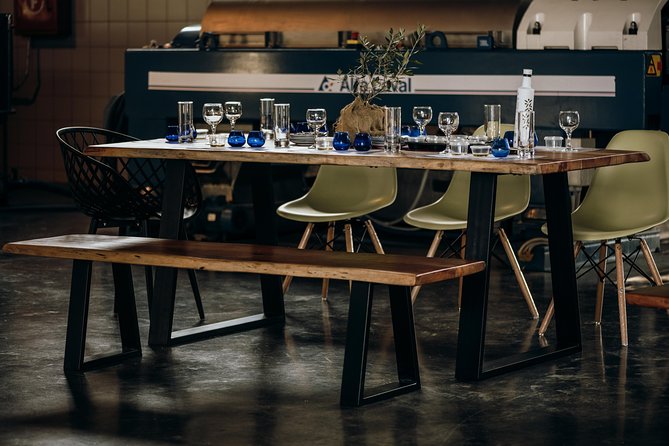
The English-speaking tour leader is central to the experience. Athanasia, Dimitra, Stavroula, Kalliopi, and Georgia are among the people connected with the visits and tastings. Their role is not just to point out equipment. They explain olive farming, production, food, and the place of olive oil in Greek family life.
A maximum of 16 people is a sensible size for this kind of activity. At a larger group, the tasting could become a lecture at the back of a crowded room. Here, you have a better chance to hear the explanation, ask about a particular oil, and take part in the activities.
The tone is warm and relaxed, with some sessions including an olive treasure hunt game. That playful element may appeal to families, though the tasting and production information are also well suited to adults interested in food.
Service animals are allowed, and most people can take part. The activity is conducted in English, so you should be comfortable following spoken explanations in English.
How to fit it into your Peloponnese plans
The meeting point is at Epar.Od. Ellinoklissias-Androusa 29, Androusa 240 13, Greece. The activity ends at the same meeting point, which makes planning easier if you are driving your own rental car.
Because the tour lasts about an hour and a half, you can pair it with Ancient Messene, about 10 minutes away by car. That combination works well: spend the morning with the archaeological site, then shift to living food culture in Androusa. From Kalamata, the tour can fit into a half-day plan without taking over your schedule.
There is no air-conditioned vehicle included. You need to arrange your own transport to and from the meeting point. This is not a problem if you have a car, but it matters if you are relying on public transport or hoping for a hotel pickup.
The experience is often booked well ahead, with an average booking point of about 33 days before the date. That does not guarantee every date will sell out, but it is a reason to reserve early if your Peloponnese route is fixed.
What the $54.31 price really covers
The fee includes the tour leader, the traditional and modern mill visits, the olive oil tasting workshop, and the local food pairings. You also get a focused lesson that can improve how you judge and buy olive oil later.
I would call it good value for someone who wants context, not just samples. The price is less compelling if you are already planning a full olive-farm day elsewhere or only want to purchase Kalamata products. In that case, a shop visit may meet your needs at lower cost.
You can buy the products tasted during the visit, which is handy if you find an oil or tapenade you particularly like. Keep in mind that purchases are extra, and lunch is not included.
Free cancellation is available up to 24 hours before the start time for a full refund. Cancellations or changes made less than 24 hours before the start time are not refundable, and poor weather can lead to a new date or full refund.
Who should book this olive oil experience
I would recommend this tour to anyone staying in Kalamata or visiting Ancient Messene who wants a compact, food-focused activity. It works especially well for people who enjoy cooking, shopping for regional products, or understanding how a familiar ingredient is made.
Families can enjoy the tree stories and treasure hunt element, while adults will get the most from the tasting lesson. The short duration also suits a busy itinerary.
I would be more cautious if you want a full agricultural tour with a long walk through the groves or a meal at the end. The tour introduces the olive trees, but its main stops are the castle area, museum, modern mill, and tasting table. For active mill machinery, book at a time when olives are being processed, if the schedule allows.
Should you book it?
Book it if you want a clear, friendly introduction to Messinia’s olive culture in about 90 minutes. The strongest parts are the contrast between old and new production, the practical tasting guidance, and the local pairings of oil with Kalamata olives, tapenade, bread, cheese, and vegetables.
Skip it if you need transportation, a full lunch, or a long walk through olive groves included in the price. For most people with a car and an interest in Greek food, it is a useful stop near Kalamata and Ancient Messene, with enough substance to make the $54.31 fee worthwhile.
FAQ
Where does the olive oil tour begin?
It begins at Epar.Od. Ellinoklissias-Androusa 29, Androusa 240 13, Greece, near the 13th-century castle of Androusa.
Where does the activity end?
The experience ends back at the meeting point in Androusa.
How long does the olive oil experience last?
The tour lasts approximately 1 hour and 30 minutes.
How far is Androusa from Kalamata?
The meeting point is about a 20-minute drive from Kalamata.
How far is Androusa from Ancient Messene?
Androusa is about a 10-minute drive from Ancient Messene.
What food is included?
The tasting includes small pairings of bread, cheese, vegetables, extra virgin olive oils, Kalamata olives, and olive tapenades.
Is lunch included?
No. Lunch is not included, though small local bites are part of the tasting.
Is transportation provided?
No. An air-conditioned vehicle is not included, so you must arrange your own transportation to the meeting point.
Can I cancel for a full refund?
Yes. You can cancel at least 24 hours before the start time for a full refund. Changes or cancellations made less than 24 hours before the start time are not accepted for a refund.
Freshly pressed around Greece
- Private Tour in Historic Estate in Monemvasia with wine-olive oil tasting & meal★ 5.0 · 4 reviews
- Olive Facility Visit with Olive Oil Tasting Session★ 5.0 · 2 reviews
- SYSTASIS Olive Oil Tasting Experience in Ermioni Greece★ 5.0 · 4 reviews
- Olive Oil Tasting at the Mykonian Farm★ 4.5 · 3 reviews
- Olive Oil Tour close to Nafplio★ 4.5 · 3 reviews
- Olympia Shore Ex: Premium Private Package -Tickets & Olive Market★ 4.5 · 5 reviews
- WIne & Olive Oil Tasting in an Organic Farm in Laconia, Greece!★ 5.0 · 2 reviews
- E-Bike Kalamata Olive Routes★ 5.0 · 10 reviews
Olive Mill and Factory Tours, compared.
Crete: Quad Safari, Olive Mill with Tasting & Ghost Village
Read our review →
From Mendoza: 3 Wineries, Olive Oil Factory Tour & Tasting
Read our review →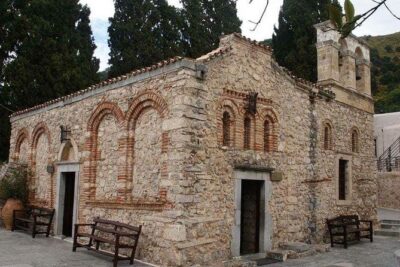
Knossos-Zeus Cave -Old Traditional Villages-Olive Oil Factory
Read our review →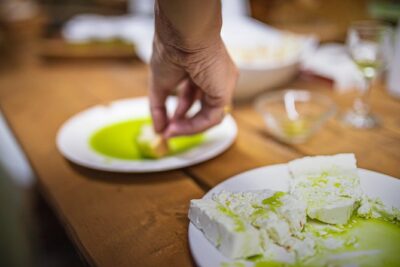
The Governor’s Olive Mill Tour with Olive Oil Tasting
Read our review →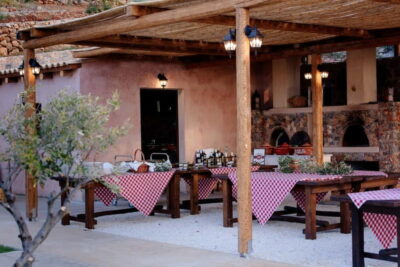
Crete: Road-trip to Lasithi, Zeus Cave & Olive Mill Farm
Read our review →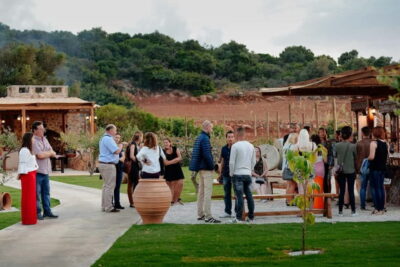
Lassithi, Zeus Cave, Olive Mill Farm & Knossos Combo Tour
Read our review →
Zeus Cave, Lassithi Plateau, Olive Oil Factory, Kritza, Pottery
Read our review →
Crete: Zeus Cave, Lassithi Plateau, and Olive Factory Tour
Read our review →Other lists with this tasting on them