
Review · SPLIT
Olive museum Klis with educational olive oil tasting
The best part of Stella Croatica is that olive oil is not treated as a souvenir on a shelf. You see how it fits into Dalmatian food, farming, cosmetics, and daily life, then learn to taste it properly in the Olive Museum. The botanical gardens and essential-oil distillery add useful variety.
I like the hands-on tasting, which helps you understand why one olive oil tastes fresh, peppery, or mild while another falls flat. I also like the friendly human touch, with Ines, Dragica, and Fani singled out for making the visit engaging and clear. The main drawback is the short running time: at 75 minutes, this is an introduction, not a full estate tour or a relaxed afternoon outing.
Key points at a glance
- Olive Museum and oil tasting: Learn how to recognize premium extra virgin olive oil through guided sampling.
- Dalmatian food culture: Try traditional regional delicacies rather than only looking at displays.
- Essential-oil distillery: See where plant oils are extracted and connect food production with natural cosmetics.
- Botanical gardens: Add an outdoor walk to the indoor museum and tasting.
- Small-group format: The maximum group size is 20 people, enough for a personal feel without promising a private tour.
- Good value at $17.98: The price includes the tour, tastings, and all fees, while lunch costs extra.
Why the Olive Museum makes this more than a tasting
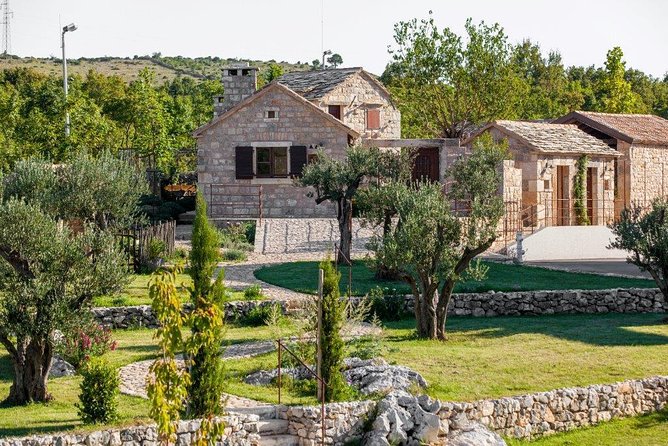
Stella Croatica is a family-run estate near Klis that produces artisan food, health, and beauty products. That mix matters. You are not simply handed a dish of oil and told to like it. The visit links the olive tree to the kitchen, the garden, the distillery, and the bathroom cabinet.
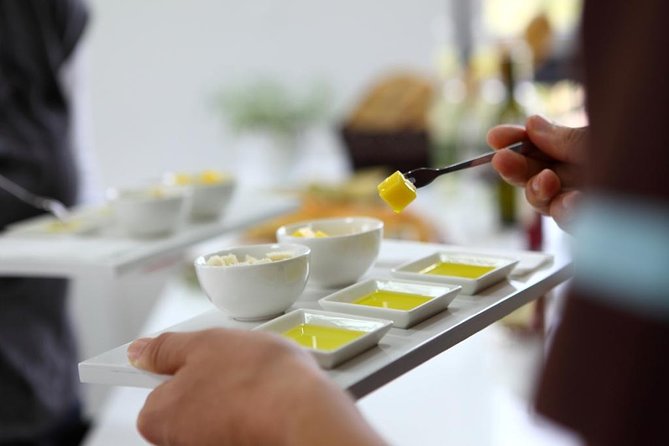
The Olive Museum is the center of the experience. You get a guided look at olive production and a lesson in recognizing quality extra virgin olive oil. The practical value is clear: after the tasting, you should have a better idea of what to look for when buying oil in Croatia or taking a bottle home.
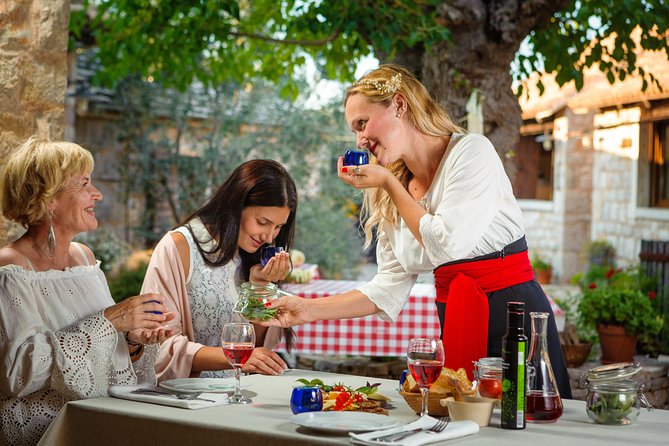
The tasting is educational rather than merely generous. Pay attention to aroma, texture, bitterness, and the peppery sensation that can appear at the back of your throat. These traits can seem surprising if you usually use mild supermarket oil, but they are part of learning how olive oil is judged.
The visit also gives you a useful bit of Dalmatian context. Olive oil is not an isolated specialty here. It belongs beside local food, home production, herbal remedies, and family traditions. That wider view gives the museum more purpose than a display of old tools alone.
More Olive Oil Museums around Croatia:
- Split: Klis Fortress GOT and Olive Museum Entry Tickets
★ 4.6 · 283 reviews - Split: Blue Line Sightseeing to Trogir, Klis & Olive Museum
★ 4.3 · 197 reviews - Visit Klis fortress GOT & Olive museum Klis
★ 4.5 · 77 reviews
Walking through Stella Croatica near Klis
The tour begins at Stella Croatica in Mihovilovići, Klis, at noon. You follow a guide through the estate on foot, moving between the Olive Museum, botanical gardens, production areas, and the concept store.
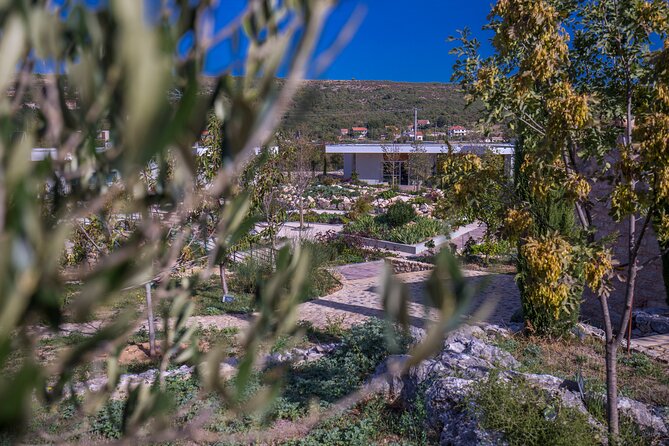
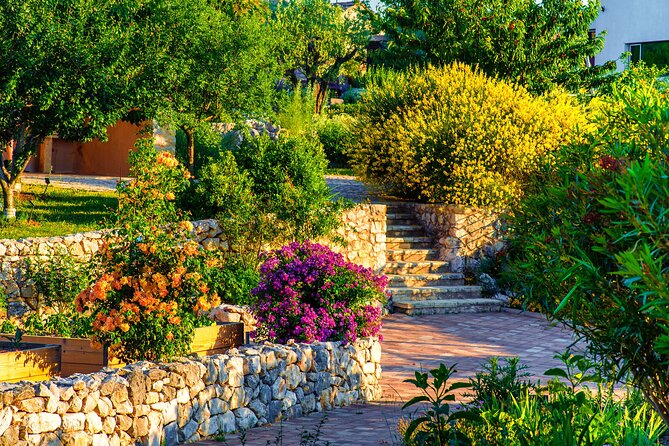
The grounds and facilities are described as clean and well cared for, which is important on a visit built around food and cosmetics. The gardens offer a change of pace from the indoor displays and tasting table. You can see the plants that connect to the estate’s food and beauty products, although the supplied details do not specify which individual species are planted.
The walk is not presented as a strenuous hike. Most people can participate, and the location is near public transportation. Still, you should allow time to reach Klis and avoid treating the 75-minute visit as a large part of a full-day excursion. It is a focused stop, not an all-day activity.
A group of up to 20 people keeps the tour from being completely private, but it is modest enough for questions. If you care about asking how olive oil is made or how essential oils are extracted, the group limit should help. The exact guide assigned can vary, so do not book expecting one named host every time.
What happens inside the Olive Museum
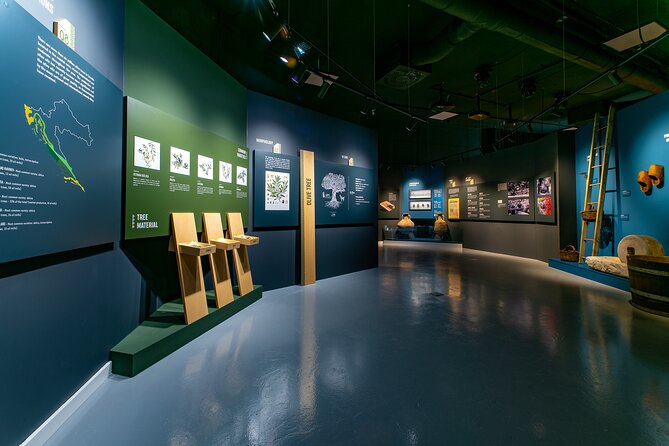
The museum provides the main cultural layer. You learn how olive oil is made and how production has shaped Dalmatian food traditions. The experience works best if you arrive ready to compare rather than simply sample.
A good tasting is slower than a quick sip. You may be asked to notice the smell first, then the flavor and finish. The point is to separate freshness and character from defects or blandness. The supplied details do not specify the number of oils or the varieties served, so you should expect a selection rather than a fixed menu of named bottles.
This is where the tour earns its educational label. You leave with a method you can use later. Look for an oil that smells fresh, tastes clean, and has a balanced finish. Strong bitterness or pepper can be a sign of character, but the lesson is balance, not simply choosing the most intense oil.
The museum is especially useful for visitors who plan to shop for Croatian olive oil. Labels can be confusing, and a tasting lesson gives you more confidence than buying solely because a bottle looks attractive. You also gain a better sense of why artisan oil costs more than an anonymous cooking oil.
From essential oils to natural cosmetics
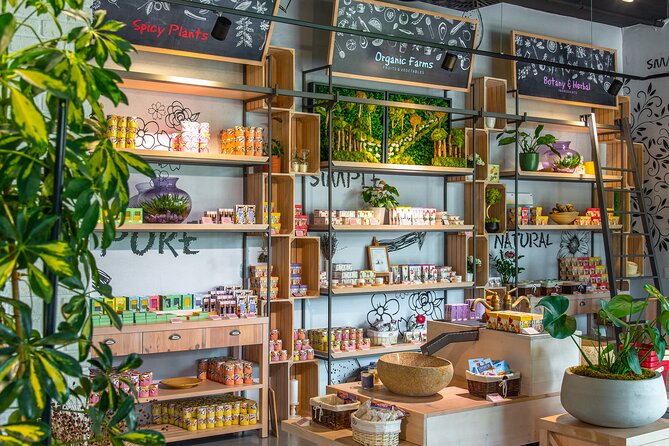
The essential-oil distillery broadens the visit beyond food. You see where essential oils are extracted, then encounter natural cosmetics in the concept store. This gives you a look at the estate’s full production chain, from plants and ingredients to finished goods.
The cosmetics portion is interactive. You can test natural products rather than only hearing about them. That makes the stop useful if you want practical souvenirs, though you should remember that purchases are separate from the tour price.
I like this section because it shows how a regional estate can use local plant traditions in several ways. Olive oil is familiar as food, but essential oils and cosmetics reveal another side of Dalmatian production. The connection is easy to understand when you see the ingredients and finished products in the same place.
Do not expect a long cosmetics workshop. The entire experience lasts about an hour and 15 minutes, so testing products is one element of a broader tour. If you want a detailed lesson on skincare or distillation, this visit may feel brief.
More Olive Oil Tours around Croatia:
- Split: Krka Waterfalls With Boat Cruise, Wine and Olive Oil
★ 4.3 · 1,507 reviews - Wine, food and olive oil by PhD student
★ 5.0 · 111 reviews - Hvar: Island tour with Wine and Olive Oil Tasting
★ 4.9 · 77 reviews - Split: Olive museum Klis with Olive Oil Tasting
★ 4.9 · 51 reviews
Traditional delicacies in the concept store
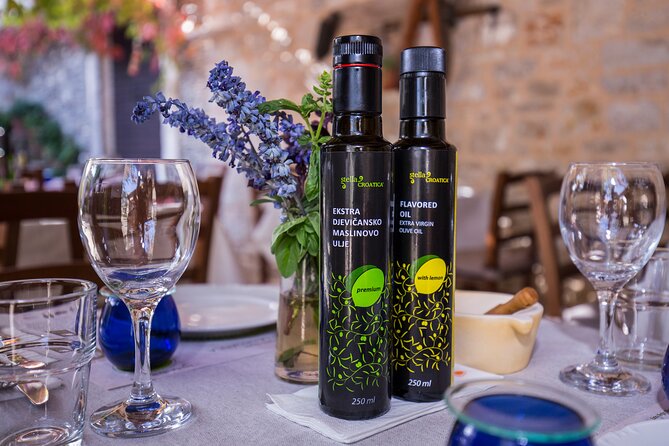
The final tasting includes traditional gastro delicacies and a chance to test natural cosmetics in the concept store. This is a pleasant way to finish because you move from learning about production to seeing and tasting the finished goods.
The food sampling is regional rather than a full meal. You should not arrive expecting lunch. The tour price includes the tasting and all fees, but lunch is not included. You can book lunch at the traditional tavern after the tour if you want to turn the visit into a longer food stop.
That extra meal may suit you if you prefer not to rush away after the tasting. It also gives the estate visit a natural rhythm: museum, gardens, production, sampling, then a possible meal. Since lunch is optional and separate, you can keep the cost down if you only want the educational tour.
The food portion also helps explain why the oil lesson matters. You taste the products in the context of regional specialties, not in isolation. A good oil is easier to appreciate when you understand how it is used with simple local foods.
The staff and the feel of the visit
The strongest personal detail available comes from the staff. Ines, Dragica, and Fani were specifically praised for being engaging and helpful, with each contributing to the visit in a different way. The names are worth noting, but staffing can change, so consider them a useful reference rather than a guarantee.
The overall impression is of a polished family-run operation with people who care about the estate. The setting is clean, the facilities are attractive, and the format is organized. That combination matters when you are spending only 75 minutes. There is little time for confusion or a slow start.
The tour is also a good fit for mixed-age groups. The walking is limited to the estate, the tasting adds an activity for food lovers, and the museum gives the visit substance. Most people can participate, according to the supplied information, though exact physical details such as seating, surfaces, or restroom access are not provided.
Is $17.98 a fair price?
At $17.98 per person, the visit offers solid value if you want several small experiences in one stop. You get a guided estate walk, the Olive Museum, an olive-oil lesson, tastings of artisan foods and oils, access to the botanical gardens, a look at essential-oil production, and cosmetic testing. All fees and taxes are included.
The value is strongest for curious eaters and first-time visitors to Dalmatia. A standalone museum visit might feel thin, while a standalone tasting might feel too brief. Stella Croatica combines the two and adds production spaces and gardens.
The price is less compelling if you want a full meal or an extensive farm tour. Lunch costs extra, and the short duration limits how much detail the guide can cover. You are paying for a compact introduction, not an afternoon of workshops.
I would also factor in transport. The meeting point is in Mihovilovići, Klis, rather than central Split. The site is near public transportation, but your total cost and time may rise if you need a separate transfer. Check your route before booking, especially if you have a tight cruise-ship schedule or another noon commitment.
Timing, group size, and cancellation terms
The tour starts at 12:00 pm and ends back at the meeting point. The fixed start time makes planning easy, but it also means you should not assume you can arrive at any point during the day.
A maximum of 20 people creates a moderate group. You get a social visit rather than a private consultation. For many visitors, this is the right balance: enough people for energy, but not a large coach group moving through every stop at once.
A mobile ticket keeps the arrival simple. Confirmation comes at booking, and free cancellation is available if you cancel at least 24 hours before the start time. Inside that window, the payment is not refunded and changes are not accepted. The cut-off follows local time.
Who will enjoy Stella Croatica most?
I would choose this experience if you want a manageable food-and-culture stop near Split, especially if you are interested in how regional products are made. It suits couples, families, and small groups who prefer a guided introduction to local traditions over a long formal museum visit.
It is also a good choice for anyone who buys olive oil at home but has never learned how to taste it. The lesson gives you a practical skill, and the tasting makes the information memorable.
You may want something else if your main goal is a substantial meal, a long garden visit, or a private production tour. The gardens and distillery are parts of the route, not separate extended activities. The tour is short by design.
If you are visiting Klis for the fortress, check the distance and timing carefully. The supplied information identifies the experience as being in Klis, but it does not state a direct connection with a fortress visit. Treat Stella Croatica as its own stop rather than assuming the two attractions are automatically combined.
Should you book this Olive Museum experience?
Book it if you want a compact, well-rounded introduction to Dalmatian olive oil and artisan production. The strongest reasons are the guided tasting, the chance to see the essential-oil distillery, the botanical gardens, and the sampling of regional foods and cosmetics. At $17.98, that is a fair package for 75 minutes.
Skip it if you need a full lunch included, dislike tasting-based tours, or have too little time to reach Klis. For everyone else, Stella Croatica offers a useful look at the everyday products behind Dalmatian food culture, with enough variety to keep the short visit from feeling one-note.
FAQ
Where does the Olive Museum tour begin?
The tour begins at Stella Croatica in Mihovilovići, Klis, Croatia. The activity ends back at the same meeting point.
What time does the tour start?
The tour starts at 12:00 pm.
How long does the experience last?
The visit lasts approximately 1 hour and 15 minutes.
Is lunch included?
No. Lunch is not included, but you can book lunch at the traditional tavern after completing the tour.
How many people can join the tour?
The maximum group size is 20 people.
Can I cancel for a refund?
Yes. You can cancel at least 24 hours before the start time for a full refund. Cancellations or changes made less than 24 hours before the experience are not refunded or accepted.
Freshly pressed around Croatia
- Makarska Tuk Tuk Tour Olive Grove, Scenic Views and Tastings★ 5.0 · 3 reviews
- Small-Group Olive Oil Tour in Cres with Tasting★ 5.0 · 2 reviews
- Private Hvar Island Tour and Olive Oil Tasting★ 4.5 · 10 reviews
- Poreč: Olive Grove Walk and Tasting with Local Products★ 5.0 · 5 reviews
- Kastela: Wine & Olive Tasting Tour w/Delicacies & Live Music★ 5.0 · 5 reviews
- From Biograd: Wine and Olive Oil Tasting in Ražnjevića Dvori★ 4.7 · 3 reviews
- Private Split & Klis Fortress Tour, Olive Museum & Port Pickup★ 4.5 · 13 reviews
- Šibenik or Zadar: Krka falls, olive mill, oil & wine tasting★ 4.8 · 17 reviews
Olive Oil Museums, compared.
Ronda: LA Almazara LA Organic, Olive Oil Museum and Tasting
Read our review →
Split: Klis Fortress GOT and Olive Museum Entry Tickets
Read our review →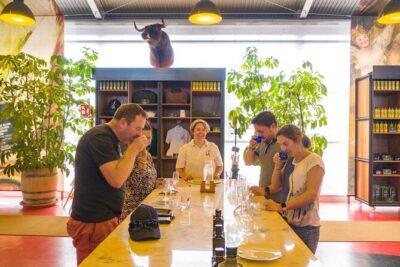
Visit Oil Mill Museum and Olive Oil Tasting in Ronda
Read our review →
Pula: House of Istrian Olive Oil Museum and Guided Tasting
Read our review →
Guided tour of the Museum of Olive Culture Oil Tasting
Read our review →
Lefkada: Olive Museum Fabbrica Ticket and Guided Tour
Read our review →Other lists with this tasting on them