

Review · SPAIN
Granada in EVOO: Olive grove guided tour and sensory tasting
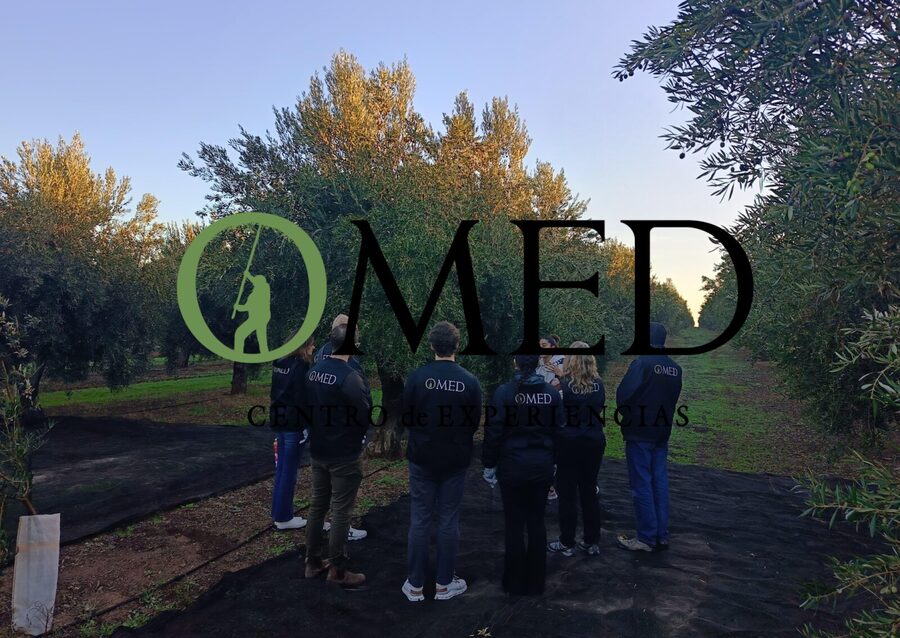
The most interesting part of this olive oil tour near Granada is its clear connection between tree, fruit, machinery, and finished bottle. You walk among the olive trees at the foot of the Sierra Nevada, then follow the fruit through reception, cleaning, milling, beating, extraction, storage, and packaging.
I like two things in particular: the tour gives you both the outdoor setting and the working mill, and the tasting explains how to notice smell, taste, and the flavors that return through your nose after swallowing. Guides Paula and Ana are praised for being warm, patient, and ready for detailed questions.
The main consideration is timing. If you visit outside the October harvest period, you may not see the machinery running. This is still a useful visit, but if your dream is to watch fresh olives being processed, ask about the season before booking.
Key points to know before you go
- Only 25 minutes from central Granada: You can add this to a city break without giving up a full day.
- A real grove-to-bottle explanation: The visit covers the olive tree, harvesting, extraction, storage, and packaging.
- Sierra Nevada views: The grove and mill offer a memorable mountain setting for the tour.
- A guided sensory tasting: You sample several olive oils and vinegars while learning basic sensory analysis.
- English and Spanish tours: Ana and Paula are among the guides named for this experience.
- Best during harvest season: October may offer a better chance of seeing the mill machinery in action.
Why this O-MED visit adds something different to Granada
Granada is rightly famous for the Alhambra, tapas, and the Albaicín. Yet Andalusia is also olive country, and this two-hour visit gives you a direct look at one of the region’s defining foods.
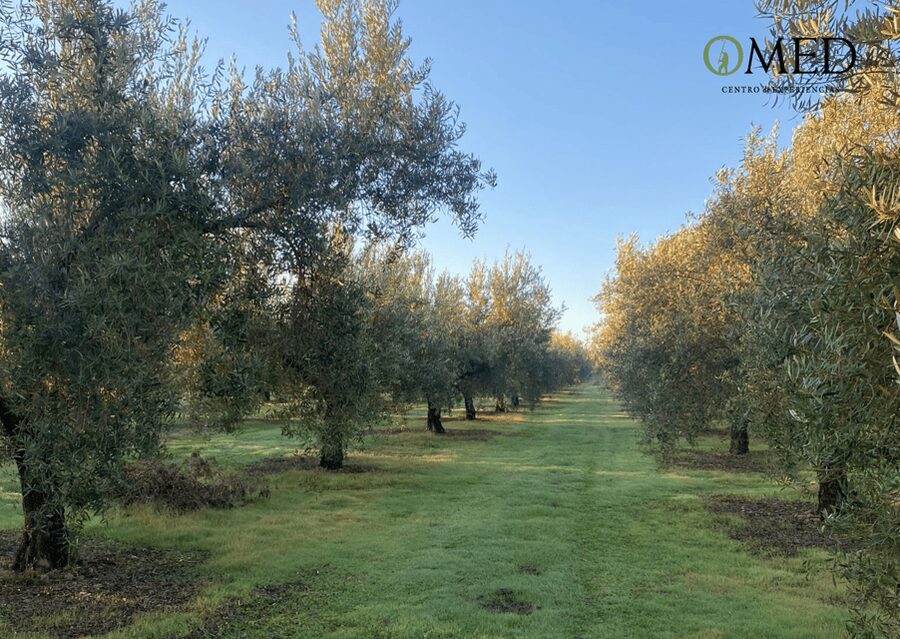
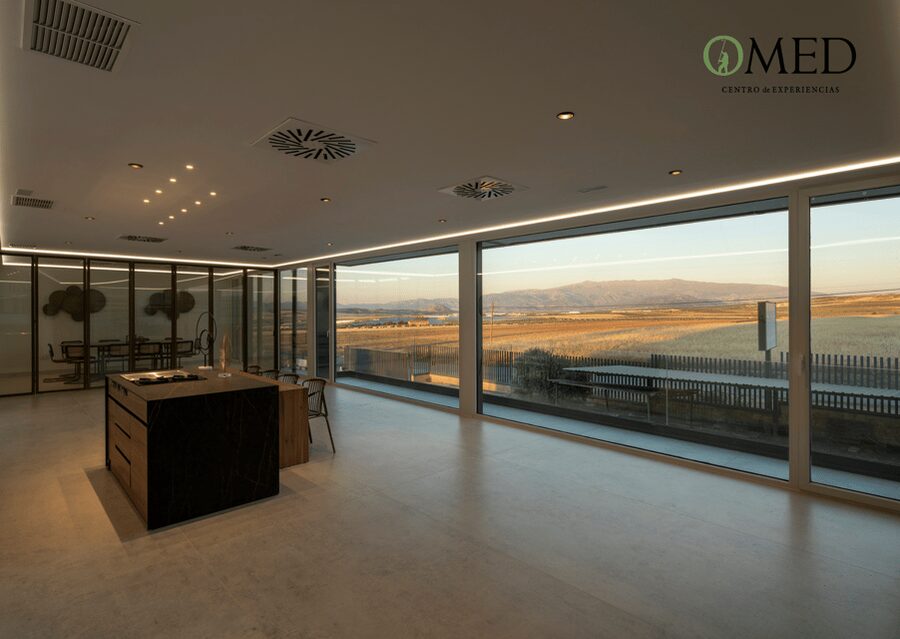
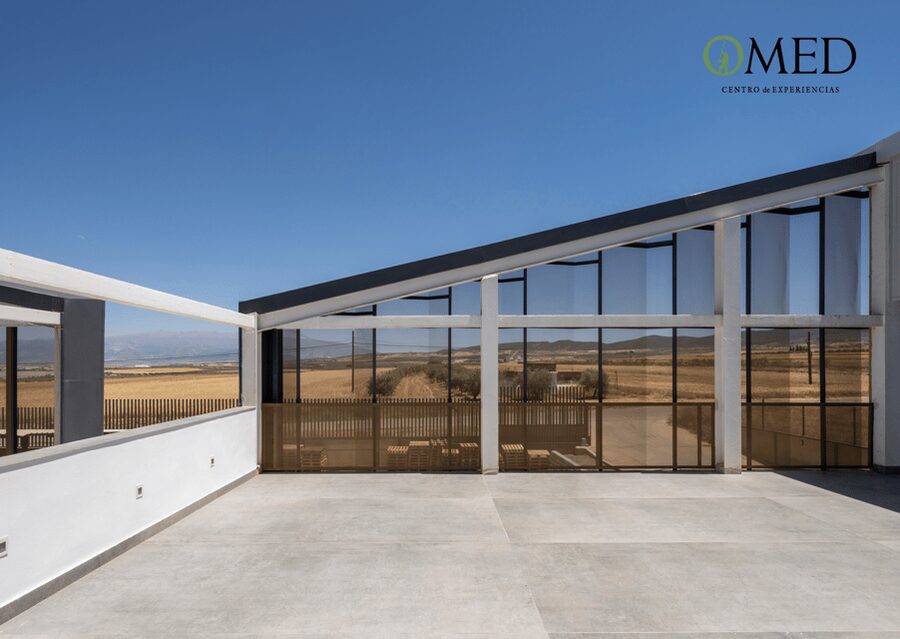
The setting helps. O-MED is about 25 minutes from Granada, close enough for a half-day outing but far enough to leave the city behind. From the grove, you look toward the Sierra Nevada while learning about an ancient tree that still shapes daily life, farming, cooking, and local trade.
I like the scale of the experience. You are not simply seated at a table with a few bottles and a sales pitch. The visit begins with the tree itself, moves into the mill, and finishes with tasting. That order makes sense because you understand what you are sampling and why the oil tastes the way it does.
The tour lasts two hours, including a half-hour in the olive grove and a longer visit to the mill. That is enough time to cover the basics without turning the experience into a full agricultural course.
More Olive Grove Tours in Spain
- Visit of the olive grove, olive oil tasting and snack
★ 4.9 · 111 reviews - Jaen: Olive oil tour with the 5 senses, grove and tasing
★ 4.9 · 53 reviews - Córdoba: Visit a family organic olive grove with tasting
★ 5.0 · 30 reviews
Walking among the olive trees beneath the Sierra Nevada
The grove visit is the natural starting point. You learn about the olive tree, its fruit, its care, and the way olives are harvested while walking among the trees.
The description refers to the olive tree as a millenary tree, a useful reminder that olive cultivation here is not a passing trend. The tree has shaped the food and economy of Andalusia for centuries, and the visit gives that familiar bottle of oil a much clearer context.
This part should suit you if you enjoy seeing where food begins. It is also a good counterpoint to Granada’s historic buildings. Instead of looking at the work of past architects, you are looking at a living crop and the work needed to bring it from branch to bottle.
The views are a real part of the appeal. You get panoramic views of the Sierra Nevada from the olive-growing area, so the first half of the tour is not only technical. It is also scenic and calm.
Practical footwear matters, though the supplied information does not specify the ground conditions. Wear something sensible for walking in an olive grove. If you have mobility concerns, the activity is described as wheelchair accessible, but it is still worth confirming the exact route and surfaces when you book.
Inside the mill, from olives to oil
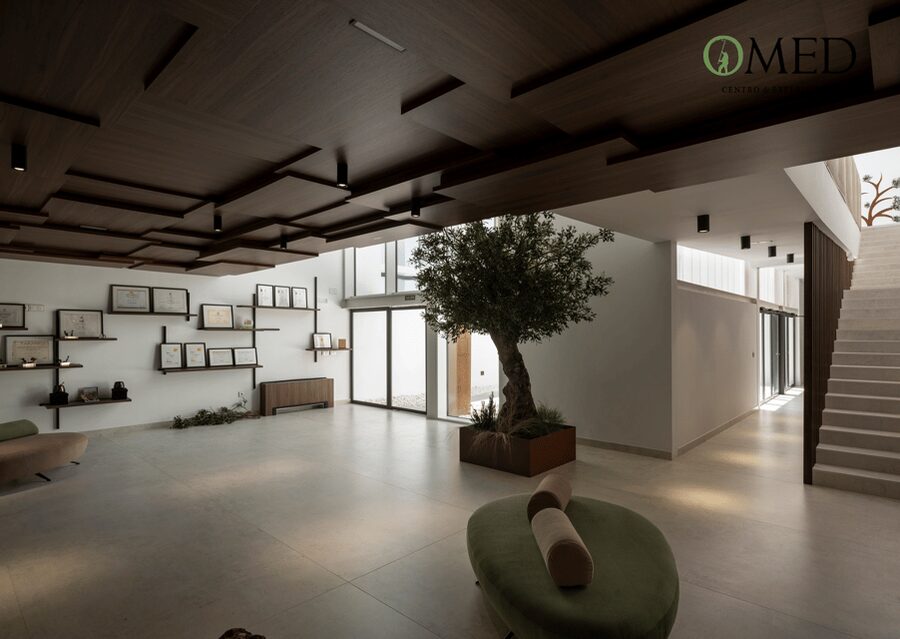
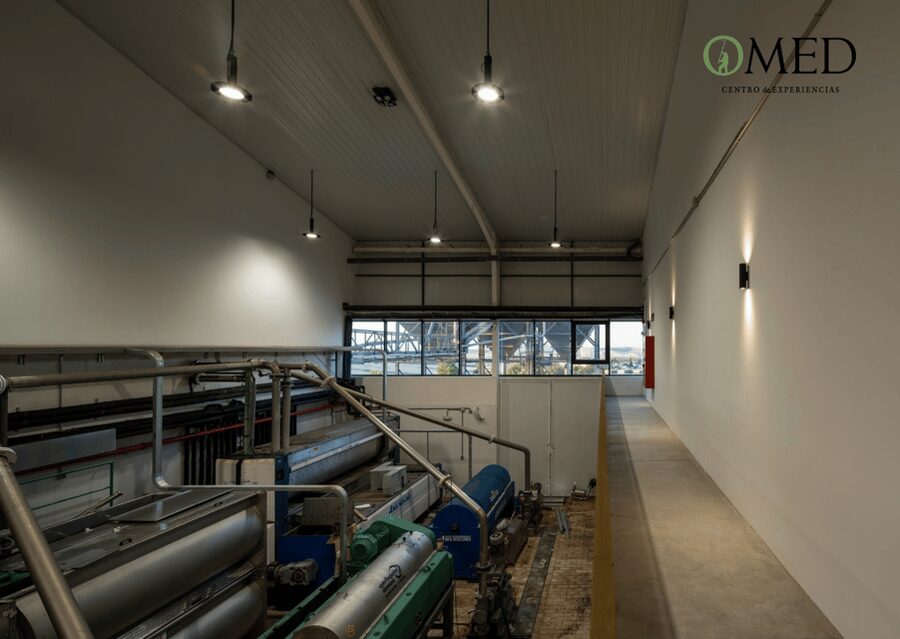
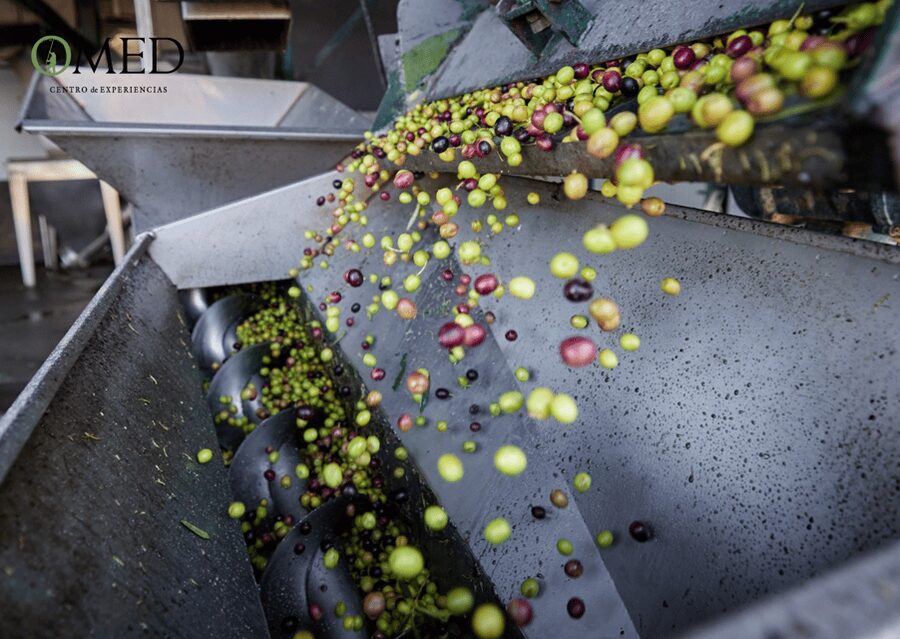
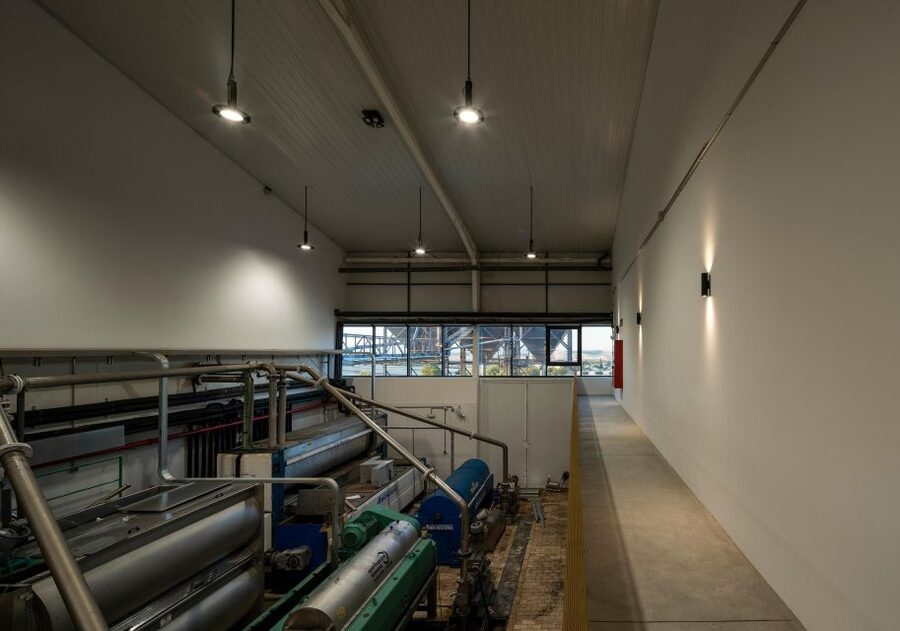
The O-MED mill is where the visit becomes more technical. You follow the stages that turn harvested olives into Extra Virgin Olive Oil, often shortened to EVOO.
The process includes:
- Reception of the olives
- Cleaning the fruit
- Milling
- Beating the olive paste
- Extraction
- Storage
- Packaging
This sequence matters because oil quality depends on what happens at each stage. The tour does not simply tell you that the oil is high quality. It shows the chain of work behind the final product.
The explanation of reception and cleaning helps you understand that the olives arrive as an agricultural product, not as ready-made oil. Milling breaks down the fruit. Beating allows the oil droplets to gather before extraction. Storage and packaging then protect the finished oil until it reaches the kitchen.
I would not expect a long industrial demonstration. The visit is described as a guided explanation of the process, and the mill may not be running when you arrive. One visitor who went near the start of the October harvest would have liked to see the machinery in action but appears to have missed it.
That is an important distinction. If you are fascinated by production equipment, contact O-MED before your visit and ask whether harvesting and milling will be taking place. If the machines are quiet, you still receive the process explanation, but the experience is more about understanding than watching a live operation.
The mill is also presented as a unique and sustainable space. The available information does not give technical details about its environmental systems, so I would not book this expecting a detailed sustainability lecture. Still, the attention to the way the space operates adds useful context to the production story.
Learning how to taste Extra Virgin Olive Oil
The tasting is the part most likely to change how you use olive oil at home. You sample several oils and vinegars, with guidance on the basic principles of sensory analysis.
That means paying attention to three areas:
- Olfactory sensations: What you notice through smell.
- Gustative sensations: What you notice on the tongue and palate.
- Retronasal sensations: The aromas that return through the back of the nose after tasting.
This gives the tasting a purpose beyond trying different products. You learn a simple method for comparing them. The goal is not to make you an expert in one afternoon, but to help you notice the differences between oils with more confidence.
For many people, this may be their first formal olive oil tasting. That was the case for at least one visitor, who found the experience especially enjoyable. You do not need prior knowledge, and the guides are described as able to answer many questions with patience.
The vinegars are a useful addition. They give you another product to compare and may help if you are more interested in cooking than in tasting oil by itself. You can also buy O-MED oils and vinegars after the visit, which is convenient if you find a variety you want to use at home.
A tasting can sometimes feel like a sales stop, so keep your expectations balanced. The chance to buy is part of the visit, but the main program includes the grove, mill explanation, and guided tasting. You are not required to buy anything based on the supplied information.
Same olive country, a different way to taste it:
- Ronda: LA Almazara LA Organic, Olive Oil Museum and Tasting
★ 4.6 · 435 reviews - Guided tour and olive oil tasting in Alhaurin el Grande (Málaga)
★ 5.0 · 200 reviews - Guided Tasting Tour in 16th century House and Olive Oil Factory
★ 5.0 · 169 reviews - Visit Oil Mill Museum and Olive Oil Tasting in Ronda
★ 4.5 · 105 reviews
The guides make a practical difference
A good guide matters here because olive oil production involves unfamiliar terms and several stages that can blur together. Paula is named repeatedly as a guide who explains the subject clearly, answers questions, and keeps the visit friendly and engaging.
Ana is also named as a guide, along with Paula, and is described as part of a personalized visit. The comments about both guides point to a small-scale experience rather than a speech delivered to a large crowd, although the exact group size is not provided.
I would especially value this if you enjoy asking questions. You can ask about the olive tree, harvesting, extraction, the company’s background, or the differences between oils. The information includes a mention of the company’s history being covered, though no specific dates or family story are provided.
Tours are available in Spanish and English. That makes the experience practical for international visitors and Spanish-speaking visitors alike. When booking, choose your preferred language and confirm the available starting time, since the schedule varies by date.
Is $47 a fair price for two hours?
At $47 per person, this is not the cheapest way to spend two hours near Granada. The value depends on what you want from the outing.
You receive a guided grove visit, a mill visit, a structured tasting of different oils, and a tasting of different vinegars. You also get the Sierra Nevada setting and the convenience of reaching the site in about 25 minutes from central Granada.
I think the price is reasonable if you care about food, local production, or Andalusian agriculture. It is also a good choice if you want something that feels more connected to the region than a standard city attraction.
The value is weaker if you mainly want to watch machinery operate. The mill may not be active, particularly outside the October harvest period, and the experience lasts two hours rather than a full working day. You are paying for access, explanation, scenery, and tasting, not for a major industrial show.
The ability to reserve now and pay later makes planning easier, especially if your Granada schedule is still shifting. Free cancellation is available up to 24 hours before the activity for a full refund. The tour requires at least two participants, so contact the provider if you are unable to reach that minimum.
Who will enjoy this olive oil experience?
I would recommend this tour to several kinds of visitors:
- Food-focused visitors who want to understand a product they use every day.
- Couples looking for a quieter outing outside the city.
- First-time olive oil tasters who want a simple introduction rather than a formal course.
- Families and mixed-age groups interested in farming, food, and scenery.
- Visitors with a spare morning or afternoon who do not want to commit to a full-day excursion.
- People who enjoy buying local products and want to taste before choosing oils or vinegars.
It may be less suitable if you dislike tastings, have no interest in food production, or expect a large working farm with constant machinery activity. It is also not the right choice if you want a full regional olive-growing tour with several estates. This is one grove, one mill, and one focused tasting.
When should you schedule the visit?
October deserves special attention because harvesting begins around then. A visit during harvest may give you a better chance of seeing active work, although the available information does not guarantee that the machinery will be running on every October date.
Outside harvest season, the tour still covers the full production chain and includes the grove and tasting. The quieter timing may even suit you if you prefer a more relaxed visit and want time for questions.
I would contact O-MED before booking if the working machinery is your main reason for going. Ask whether olives are being received and processed on your chosen date. If the answer is no, decide if the grove, mountain views, explanation, and tasting are enough for you.
Accessibility and practical planning
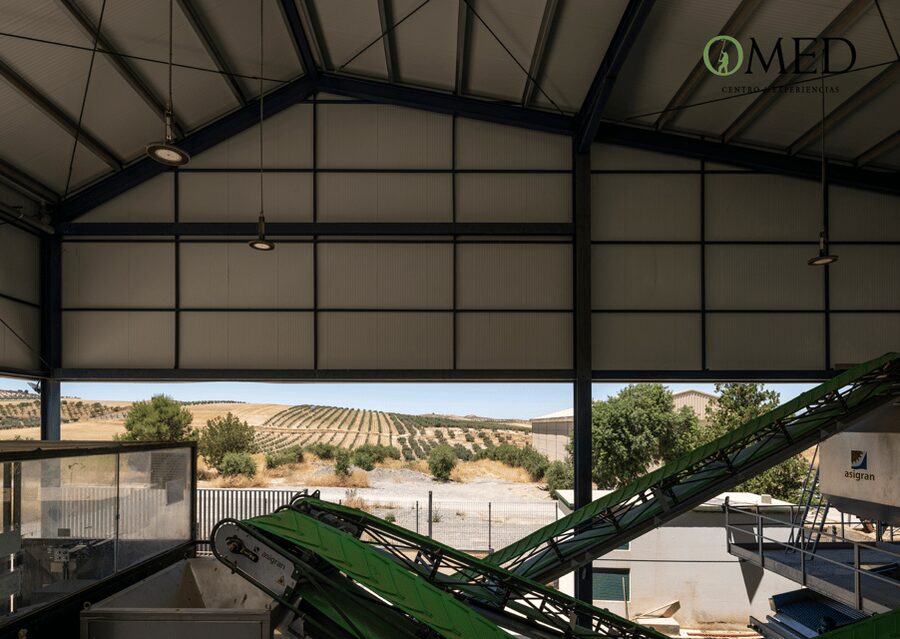
The activity is listed as wheelchair accessible, which is useful information for planning. Since the visit includes both an olive grove and a mill, ask for details about the accessible route, surfaces, and transitions between areas if you need specific assistance.
The tour runs for two hours, but starting times depend on availability. Build in travel time from Granada, since the site is about 25 minutes from the city center. The information does not specify a transport service, so confirm how you will reach O-MED before finalizing your plans.
Spanish and English are the available tour languages. The minimum booking requirement is two people. You can cancel up to 24 hours before the activity for a full refund, and the reserve-now, pay-later option lets you hold a place without paying immediately.
Should you book Granada in EVOO?
Book it if you want a close look at Andalusian olive oil rather than another standard sightseeing stop. The combination of a grove walk, mill explanation, Sierra Nevada views, and guided tasting gives the outing a clear sense of place.
I especially like it for a couple or small group that wants something relaxed, useful, and easy to fit into a Granada visit. Paula and Ana add a personal touch, and the tasting gives you something practical to take home, even if you buy nothing.
Think twice if seeing the machinery operating is essential. Aim for the October harvest period or contact O-MED first. For everyone else, $47 buys a well-focused two-hour introduction to one of Andalusia’s most important foods, with enough scenery and tasting to make it more than a factory explanation.
FAQ
How far is the olive oil mill from Granada?
The O-MED olive mill is about 25 minutes from the center of Granada.
How long does the activity last?
The complete activity lasts two hours. This includes a half-hour visit to the olive grove and a visit to the olive oil mill.
What languages are available?
The tour is available in Spanish and English.
Who guides the visit?
The named guides are Ana and Paula. Paula is specifically associated with tours that explain the olive trees, extraction, production, and tasting.
What will I see in the olive grove?
You will learn about the olive tree, its fruit, care, and harvesting while walking among the trees near the Sierra Nevada.
What stages of olive oil production are explained?
The visit covers the arrival of the olives, cleaning, milling, beating, extraction, storage, and packaging.
Is a tasting included?
Yes. You will taste different olive oils and different vinegars.
What does the sensory tasting cover?
The tasting explains olfactory, gustative, and retronasal sensations, helping you compare the aromas and flavors of the oils.
Can I see the machinery operating?
You may not. Machinery activity depends on the timing of your visit, and October is when harvesting begins. Contact O-MED if seeing the mill in operation is important to you.
Is the activity wheelchair accessible?
Yes, the activity is listed as wheelchair accessible. If you need precise information about the grove route or surfaces, confirm those details with the provider before booking.
Freshly pressed around Spain
- Paella, Olive Oil, Wine & Relax in Rural Estate outside Madrid★ 5.0 · 2 reviews
- Olive Oil Tour and Tasting in Málaga★ 5.0 · 2 reviews
- Discover the varieties of wines, olive oil and food on Mallorca★ 5.0 · 8 reviews
- Olive Oil Excursion to an olive mill in the Lecrín Valley★ 3.5 · 3 reviews
- Authentic Olive Oil Tasting in Cordoba, Spain★ 4.0 · 2 reviews
- Cordoba Olive Oil mill, Wine, Passion★ 4.5 · 8 reviews
- Full day in Cordoba between Vineyards and Olive Trees with a Convertible Car★ 5.0 · 2 reviews
- Visit olive grove centenary with oil tasting course★ 5.0 · 11 reviews
Olive Grove Tours, compared.
Ostuni: Masseria tour among thousand-year-old olive trees with oil tasting
Read our review →
Balestrate: Olive Grove Tour with Wines & Olive Oil Tasting
Read our review →
Traditional Olive Grove and Dragon Fruit Farm Tour
Read our review →
Visit of the olive grove, olive oil tasting and snack
Read our review →
Bologna: Olive Grove and Vineyard Tour with Product Tastings
Read our review →
Guided tours of the olive grove with oil tasting.
Read our review →
Organic Olive Grove tour & Olive oil tasting & lunch in Kalamata!
Read our review →
Jaen: Olive oil tour with the 5 senses, grove and tasing
Read our review →Other lists with this tasting on them