
Review · SPAIN
Visit olive grove centenary with oil tasting course
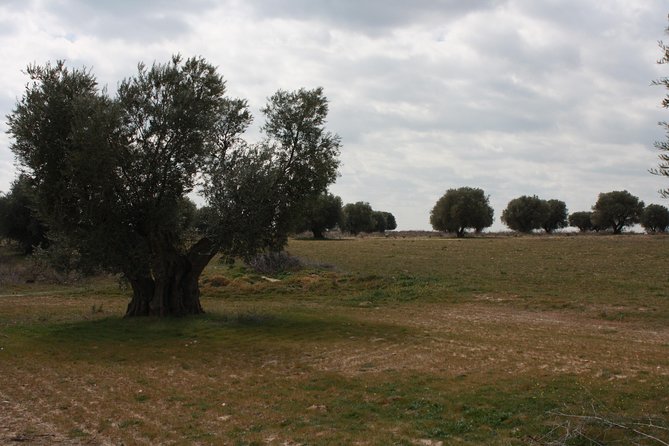
The best part of this two-hour outing near Toledo is that it takes you beyond a bottle on a shop shelf. You walk among olive trees more than 300 years old, learn how organic farming supports the grove, and taste oils with a guide who can explain exactly why one is bitter, another is peppery, and a third feels flat. I especially like the hands-on tasting and the family connection to the land.
I also like the simple local finish: Manchego sheep cheese, bread with tomato and olive oil, and wine made from the family’s own grapes. The main drawback is practical rather than cultural. This is a rural meeting point in Arcicóllar, and directions have caused confusion before. Ask for the exact meeting address before setting out, and check bathroom arrangements, since facilities have not been consistent.
Key points to know before booking
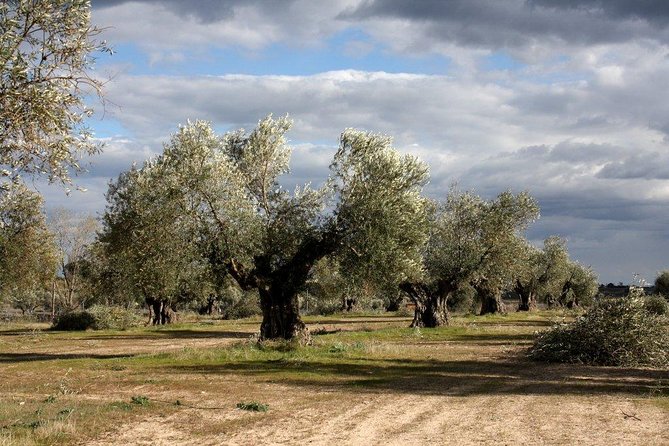
- 300-year-old olive trees: Walk through an organic grove and learn how the trees are cared for throughout the year.
- Cornicabra olive oil: Taste the local variety and learn how bitterness, pepperiness, aroma, acidity, and labels affect quality.
- Family-led hosting: Laura, Guillermo, and Lola bring farming, biology, and local knowledge to the visit.
- A proper Spanish snack: Finish with Manchego cheese, bread, tomato, olive oil, and a glass of estate wine.
- Small countryside setting: The group can reach up to 30 people, but the visit is built around direct explanation and questions.
- Plan the arrival carefully: The address is in Arcicóllar, Toledo, and the meeting point should be confirmed clearly before departure.
Why this olive grove visit is worth your morning
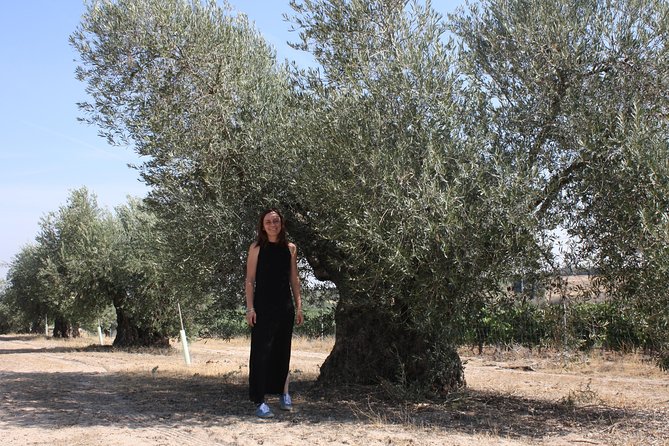
Many food tastings begin with a plate and end with a few pleasant adjectives. This one begins in the soil. You first see the trees, the rows, and the work behind the oil. That order matters because olive oil makes more sense once you understand the fruit, the harvest, and the care given to the land.
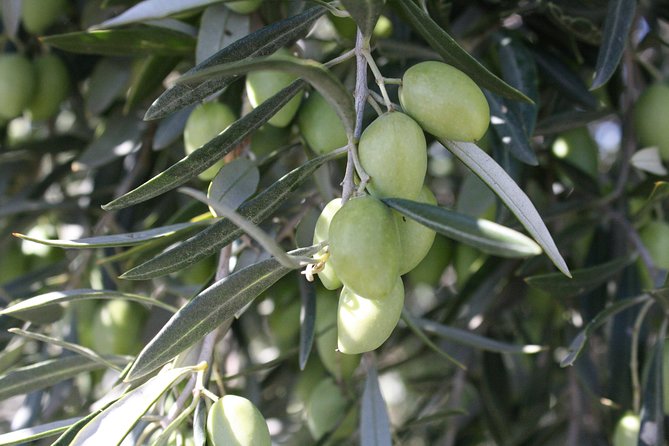
The grove is more than 300 years old, which gives the visit a strong sense of time without turning it into a museum tour. These are living trees, still part of an active farm. You can ask how the olive trees arrived in the Iberian Peninsula, why olive growing became so important, and what happens during the year before oil reaches a kitchen.
The farm gives special attention to the Cornicabra variety. It is an important olive in Castilla-La Mancha, and the tasting helps you connect the local climate and farming methods with the oil in your glass. You are not simply told that one oil is better. You are shown how to notice the difference yourself.
I like this kind of lesson because it stays useful after the morning ends. The next time you shop for olive oil, you will have a better sense of what to look for on the label and what your senses are telling you.
More Olive Grove Tours in Spain
- Visit of the olive grove, olive oil tasting and snack
★ 4.9 · 111 reviews - Jaen: Olive oil tour with the 5 senses, grove and tasing
★ 4.9 · 53 reviews - Córdoba: Visit a family organic olive grove with tasting
★ 5.0 · 30 reviews
Walking among the 300-year-old trees
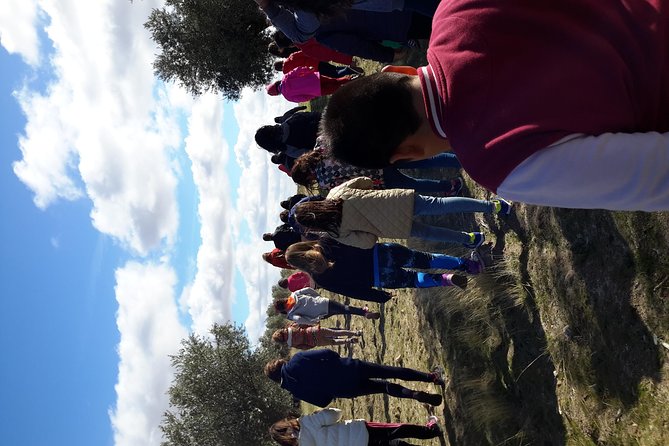
The grove visit is not a long hike. The walk is described as fairly easy, with much of the time spent outdoors near the trees rather than covering a large distance. Several sections offer shade, which helps on a hot day, though weather still matters because this is an outdoor activity.
Your guide explains the full annual cycle of the grove. You learn about organic methods, the work needed to support a good harvest, and the effort involved in producing extra virgin olive oil, often shortened to EVOO. The focus on organic farming also includes biodiversity, an important part of keeping the soil and surrounding area healthy.
The setting changes with the season. In spring, wildflowers may appear between the trees. In autumn, the condition of the crop and the timing of harvest become more important. Rain can have a major effect on the harvest, so the visit gives you a better feel for how closely farming depends on the weather.
The guides make this personal. Laura is a biologist as well as a farmer, which gives her explanations a useful mix of science and practical experience. Laura and Guillermo run the farm, and Guillermo also leads grove visits. Lola has guided groups through the trees and tasting, offering detailed explanations in English.
The result is more relaxed than a formal agricultural lecture. You can ask questions about the trees, production, and farming choices as you go. Families with teenagers have found enough here to hold their interest, especially because the walk is short and the tasting gives the visit a clear reward.
The olive oil tasting course
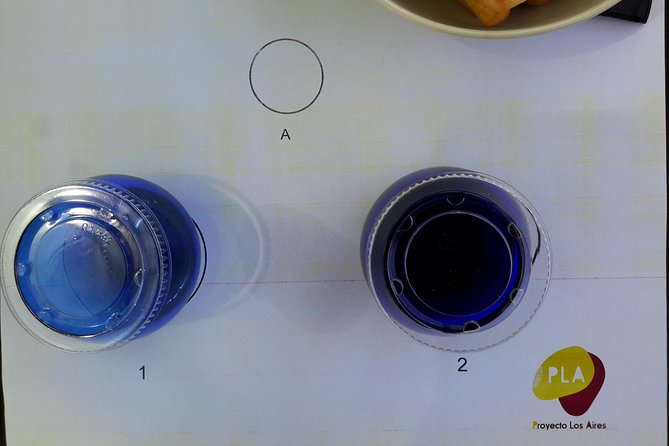
The tasting is the heart of the activity. You try different olive oils and learn to compare them by smell and taste. This is not about memorizing technical terms. It is about noticing what is in the glass.
You may learn why some oils feel bitter or cause a peppery tickle in the throat. Those sensations are not automatically faults. They can be signs of healthy compounds and a particular olive variety or harvest style. The tasting gives you a chance to see how oils differ instead of relying on the color or the claims printed on a bottle.
Acidity is also explained. It is an important quality measure, but it does not tell you everything about flavor. The course helps put that number in its proper place, along with the rest of the label information.
Color is another useful lesson. A greener oil is not automatically better, and a golden oil is not automatically inferior. Tasting from suitable containers or samples helps you focus on aroma and flavor rather than judging the oil by appearance alone.
On a calm day, the tasting may take place near the grove. Wind or heat can change the plan, and one group moved indoors to the farm office when conditions became uncomfortable. That is a sensible adjustment. You get a clearer tasting in a sheltered space, and the hosts can explain the production process without fighting the weather.
The most valuable thing here is the practical shopping advice. You learn how to read an olive oil label and how to spot differences between grades, including lampante oil. That makes the tasting useful for anyone who cooks at home, not just people who already care about olive oil.
A taste of Castilla-La Mancha to finish
After the grove and tasting, you sit down for a small local snack. The standard offering includes a cap of cured Manchego sheep cheese, bread with tomato and olive oil, and a glass of wine made from grapes grown on the property.
This is modest food, but that is part of its appeal. The oil is no longer an isolated sample. You taste it with bread and tomato, then pair it with cheese and wine. The snack shows how olive oil works as part of everyday Spanish food rather than as a product to admire on its own.
The Manchego comes from family production and their own livestock, which gives the tasting a direct link to local farming. The wine comes from the family’s vines. These details make the final course feel connected to the place you have just visited.
A vegetarian option has been available for the food portion. If you have other dietary needs, ask the provider when booking, since the supplied details only confirm the vegetarian choice.
The portion is best viewed as a tasting or light lunch, not a full meal. A past group enjoyed a more substantial lunch among the trees, but the regular description centers on the cheese, bread, tomato, oil, and wine. If you need a large meal afterward, plan for one.
Same olive country, a different way to taste it:
- Ronda: LA Almazara LA Organic, Olive Oil Museum and Tasting
★ 4.6 · 435 reviews - Guided tour and olive oil tasting in Alhaurin el Grande (Málaga)
★ 5.0 · 200 reviews - Guided Tasting Tour in 16th century House and Olive Oil Factory
★ 5.0 · 169 reviews - Visit Oil Mill Museum and Olive Oil Tasting in Ronda
★ 4.5 · 105 reviews
The people behind Proyecto Los Aires
The character of the visit depends heavily on the hosts. Laura and Guillermo are the owners, and their enthusiasm for organic farming comes through in the way the grove and production are explained. Lola, a biologist who also leads tours, adds another perspective.
You are likely to get more from the visit if you ask questions. The guides are happy to discuss labels, harvest conditions, organic methods, the Cornicabra variety, and the pressing process. This is not a place where you are rushed from one display to the next.
The family approach also explains why the tone can feel informal. One description compared the visit to walking through a garden with a friend who wants to show you what they have been working on. That is a useful way to picture it. You get farming information, but you also get the people and decisions behind the product.
The language offered is English, which is important if you do not speak Spanish. The guides can explain technical points clearly, though the exact guide for your date may vary among Laura, Guillermo, and Lola.
Timing, meeting point, and group size
The activity begins at 10:00 am at C. Visitación, 12, 45182 Arcicóllar, Toledo, Spain. It ends back at the meeting point after about two hours.
Arcicóllar is a rural community outside the main sightseeing centers, so do not treat the address as a casual detail. One past group had trouble because the first address entered into a map led them toward an unsuitable road. The host called and sent the correct meeting details, but you should still confirm the location before the morning of the visit.
The activity is offered with a mobile ticket, and confirmation is sent at booking. It is near public transportation, though the provided information does not describe the exact route or transport schedule. If you are coming from Madrid or Toledo, allow time to reach the meeting point and verify your route carefully.
The maximum group size is 30 people. That is not an intimate private tour, but the outdoor setting and question-based format should make it possible to follow the explanations. If you prefer a quiet, very small tasting, ask about the expected group size for your date.
The activity requires good weather. If poor conditions lead to cancellation, you can choose another date or receive a full refund. You can also cancel for a full refund up to 24 hours before the start time. Service animals are allowed, and most people can take part.
How much value do you get for $35.82?
At $35.82 per person, the value is strong if you want more than a short tasting. You receive a guided visit to a very old olive grove, an olive oil lesson, several samples, and a local food and wine finish. The price also pays for access to a working family farm, not just a retail tasting room.
The cost makes particular sense near Toledo, where this can fill a morning with a distinctly local activity. It gives you a reason to see the countryside and adds context to Spanish food that you will not get from a standard city meal.
The value is less clear if you want a full meal, a polished museum-style attraction, or a long itinerary with several stops. This is a focused two-hour visit. You spend most of it learning about one farm, one main product, and the food connected to it.
At present, the activity has a 4.9 rating from 11 ratings, with 100 percent of participants recommending it. That is a very strong record, though the number is still small. The repeated strengths are clear: warm hosts, useful tasting instruction, family farming, local food, and a pleasant outdoor setting.
Small drawbacks to plan around
The first issue is directions. Arcicóllar is not the sort of place where you want to discover a wrong turn five minutes before the start. Confirm the exact meeting point and keep the provider’s phone contact available.
The second is weather. Shade is available in much of the grove, and water and straw hats have been provided during hot conditions, but summer heat can still affect comfort. Wear sun protection and practical shoes. The information confirms an outdoor visit, but it does not promise a particular weather setup on every date.
Bathroom access needs a quick check. One account described no bathroom at the grove, while another described clean bathrooms in a refurbished farm building. Facilities may depend on which part of the property is used or on later improvements, so ask ahead if this matters to you.
Finally, the snack is simple. Cheese, bread, tomato, oil, and wine are exactly the point, but do not book this expecting a large restaurant lunch. You are paying for the farm visit and instruction first.
Who should book this activity?
I would choose this for anyone staying in Madrid or Toledo who wants a food experience tied to a real working farm. It suits curious cooks, couples, families, and visitors who want a break from churches, museums, and city streets.
It is also a good choice for teenagers. The short walk, tasting comparisons, local food, and chance to ask questions keep the morning active without demanding a long hike.
You do not need to be an olive oil expert. In fact, beginners may gain the most because the tasting starts with basic questions and builds from there. If you already know a lot about oil, you will still appreciate the farm setting and the chance to discuss organic production and Cornicabra olives with the people who produce them.
I would be more cautious if you have limited time, dislike rural transport arrangements, need guaranteed indoor facilities, or want a large meal. The activity is valuable because it is specific and personal. That also means it is not designed to satisfy every kind of sightseeing day.
Should you book it?
Book this olive grove visit if you want to understand Spanish olive oil from tree to table, meet a farming family, and spend a calm morning in the Toledo countryside. The combination of a 300-year-old grove, practical tasting instruction, and Manchego with estate wine gives you more substance than a quick sample at a shop.
Before paying, confirm the meeting address, ask about the bathroom setup, and consider the forecast. If those details suit you, $35.82 is a fair price for a useful food lesson and a genuine connection to Castilla-La Mancha farming.
FAQ
Where does the olive grove experience take place?
It takes place in Arcicóllar, Toledo, Spain. The meeting address is C. Visitación, 12, 45182 Arcicóllar.
What time does the activity begin?
The start time is 10:00 am.
How long does the experience last?
The activity lasts approximately two hours.
What happens during the olive grove visit?
You walk through an organic olive grove with trees more than 300 years old. The guide explains olive trees, their arrival in the Iberian Peninsula, their historical importance, organic farming, and the work carried out during the year.
Which olive variety receives special attention?
The experience gives special attention to the Cornicabra variety.
What does the olive oil course include?
You taste different olive oils and learn about bitterness, pepperiness, acidity, color, quality grades, and the information shown on labels.
What food and drink are included?
The tasting finishes with cured Manchego sheep cheese, bread with tomato and olive oil, and a glass of wine made from grapes grown on the property.
Is the experience offered in English?
Yes. The activity is offered in English.
How many people can join the activity?
The maximum group size is 30 people.
Can I cancel for a refund?
You can cancel up to 24 hours before the start time for a full refund. Cancellations or changes made less than 24 hours before the start time are not accepted for a refund. If poor weather or a failure to meet the minimum number of participants causes cancellation, you are offered another date or a full refund.
Freshly pressed around Spain
- Paella, Olive Oil, Wine & Relax in Rural Estate outside Madrid★ 5.0 · 2 reviews
- Olive Oil Tour and Tasting in Málaga★ 5.0 · 2 reviews
- Discover the varieties of wines, olive oil and food on Mallorca★ 5.0 · 8 reviews
- Olive Oil Excursion to an olive mill in the Lecrín Valley★ 3.5 · 3 reviews
- Authentic Olive Oil Tasting in Cordoba, Spain★ 4.0 · 2 reviews
- Cordoba Olive Oil mill, Wine, Passion★ 4.5 · 8 reviews
- Full day in Cordoba between Vineyards and Olive Trees with a Convertible Car★ 5.0 · 2 reviews
- Tarragona Culinary Experience: Olive Oil & Iberian Ham Delight★ 5.0 · 8 reviews
Olive Grove Tours, compared.
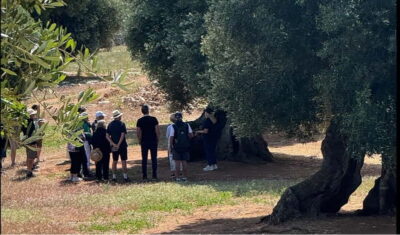
Ostuni: Masseria tour among thousand-year-old olive trees with oil tasting
Read our review →
Balestrate: Olive Grove Tour with Wines & Olive Oil Tasting
Read our review →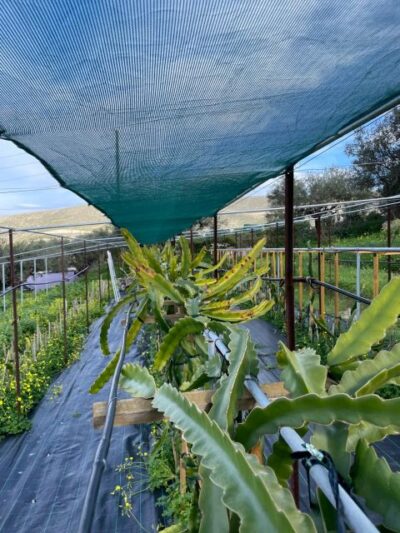
Traditional Olive Grove and Dragon Fruit Farm Tour
Read our review →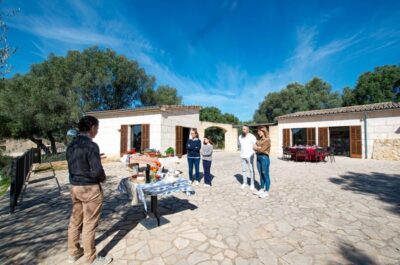
Visit of the olive grove, olive oil tasting and snack
Read our review →
Bologna: Olive Grove and Vineyard Tour with Product Tastings
Read our review →
Guided tours of the olive grove with oil tasting.
Read our review →
Organic Olive Grove tour & Olive oil tasting & lunch in Kalamata!
Read our review →
Jaen: Olive oil tour with the 5 senses, grove and tasing
Read our review →Other lists with this tasting on them