
Review · CORDOBA
Olive Oil tasting breakfast & Tour in Cordoba
Córdoba’s olive-oil culture comes into focus through a small local market, several olive varieties, and a tasting led by an olive grower or family producer. The most useful lesson is simple: olive oil is not one flavor. Arbequina and other oils can be mild, fruity, grassy, or peppery.
I like the small group of no more than 10, which gives you room to ask questions, and I like the chance to meet guides such as Bárbara and Mara, who bring family experience and real enthusiasm. The price is also friendly at $25.34. The main caution is the word breakfast: this usually means bread, olives, coffee or tea, and oil, not a full meal.
Key points to know before booking
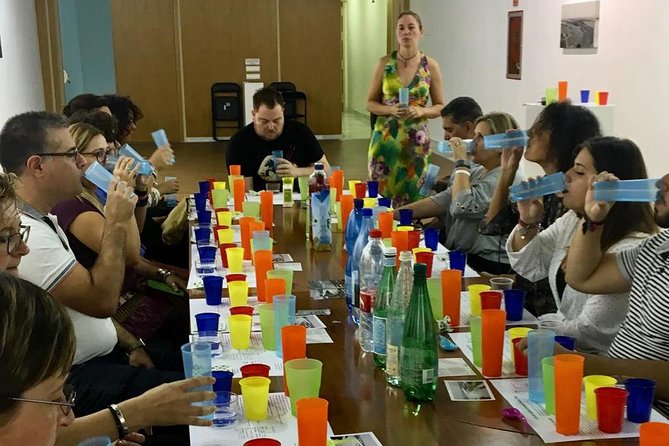
- Taste several Córdoba olive oils: Expect around five oils on some departures, with flavors ranging from soft and fruity to strong and peppery.
- Walk through Mercado de la Corredera: The market stop adds local food context, though it is small and may have few open stalls.
- Try the Miller-style breakfast: This traditional worker’s break centers on bread dipped in olive oil, olives, and coffee or tea.
- Meet at a central tasting room: The activity begins at Calle Carlos Rubio 11, behind a black door on the right, and ends there.
- Keep your group small: The maximum is 10 people, though some dates may have only two to six participants.
- Plan to eat beforehand if needed: The food is a tasting breakfast, not a substantial morning meal.
Why Córdoba is the right place for an olive-oil tasting
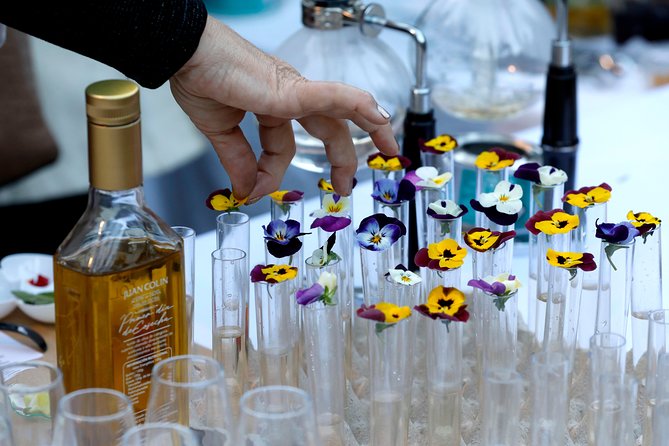
Andalusia is closely tied to olive growing, and Córdoba gives this subject a useful local setting. You are not simply sampling oil from anonymous bottles. The discussion covers olive varieties, when olives are picked, how they are processed, and how those choices affect flavor.
That matters because olive oil is often treated as a single pantry item. Here, you get a clearer sense of why one oil tastes gentle and fruity while another leaves a peppery finish in your throat. The guides also connect oil to ordinary Spanish food, including bread, olives, cheeses, meats, and market produce.
I especially like the comparison made during the market walk: Spain has many kinds of tomatoes, so it makes sense that it also has many kinds of olive oil. That is the sort of plain, practical idea that helps the tasting make sense.
This is not a full visit to an olive farm or an industrial mill. You will not spend hours among the trees or watch a complete harvest in progress. Instead, you get a compact introduction to the subject during a 75-minute activity in central Córdoba.
More Olive Oil Tours around Spain:
- Ronda: LA Almazara LA Organic, Olive Oil Museum and Tasting
★ 4.6 · 435 reviews - Guided tour and olive oil tasting in Alhaurin el Grande (Málaga)
★ 5.0 · 200 reviews - Guided Tasting Tour in 16th century House and Olive Oil Factory
★ 5.0 · 169 reviews
Meeting on Calle Carlos Rubio
The meeting point is Things to Do Córdoba, at Calle Carlos Rubio 11, local, in the Centro area. Look for the black door on the right. The activity begins and ends at this location, so you do not need to arrange transport between separate parts of Córdoba.
The meeting point is practical for a short morning activity, but you should read the directions carefully. The wording of the address suggests a local tasting room rather than a large commercial venue, and the entrance may not look like a conventional shop.
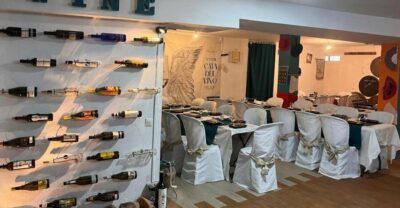
The setting varies by guide and date. Some sessions take place in a lower-level tasting room in a private apartment-style space. Another account describes a rooftop table prepared for the presentation. You should expect a personal, informal environment, not a polished culinary school or a grand restaurant.
That informality is part of the appeal. You are meeting a local host in a working setting, often with a direct connection to olive growing and other family food products. It also means the room may feel modest and could use a little updating. If you prefer sleek interiors and formal service, this may feel basic.
A short walk through Mercado de la Corredera
The first planned stop is Plaza de la Corredera, followed by Mercado de la Corredera. The plaza is a useful place to get your bearings, and the market gives the guide a chance to point out local ingredients and typical Córdoba foods.
Do not expect a huge food hall. The market is small, and on some days only a handful of stalls may be open. One visit found the market closed, while another included a useful walk through the stalls and nearby shops. Opening conditions can affect how much you see.
Still, the market stop has value when you treat it as an introduction rather than a major attraction. You may look at olives, bread, produce, or other foods used with oil. The guide can explain how people in Córdoba shop and eat, then connect those everyday products to the tasting that follows.
The guide may also stop at a bakery to collect the rolls used for breakfast. That small errand helps the activity feel local, though it is not a bakery tour. If your main goal is market exploration, set your expectations low. If you want context before tasting, the stop works well.
Tasting three olive varieties first
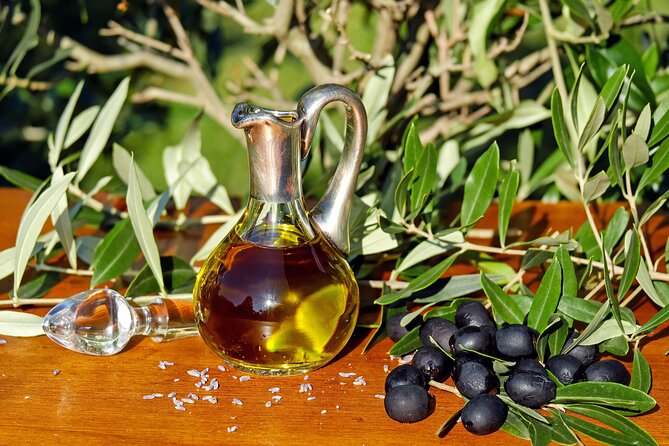
The tasting begins with three varieties of olives, allowing you to compare their appearance and flavor. This is a smart opening because it gives you something familiar before the oils arrive.
The point is not only to decide which olive tastes best. You are learning to notice differences in bitterness, salt, firmness, fruitiness, and aftertaste. Those differences help explain why oils made from different varieties do not taste alike.
The exact number of oils can vary, but several sessions include about five. The range may run from very mild and fruity to stronger and peppery. Some tastings also include three infused oils, while other descriptions mention honey or a small pour of dessert wine or sherry near the end.
This is a generous range for a $25.34 experience, especially when the group is small. You can ask what you are tasting, how it was produced, and how to use it at home. The guide explains how to judge oil on the palate rather than simply telling you which bottle is better.
One practical point: bread is useful for breakfast, but it can also blur the fine details of an oil. If you want to assess the oil carefully, pay attention to it plain when the guide presents it that way, then try it with bread. You will get more from the tasting by separating those two experiences.
Same olive country, a different way to taste it:
- Visit of the olive grove, olive oil tasting and snack
★ 4.9 · 111 reviews - Visit Oil Mill Museum and Olive Oil Tasting in Ronda
★ 4.5 · 105 reviews - Private Tasting of Olive Oil in Córdoba
★ 5.0 · 93 reviews - Sóller: Olive Oil Guided Tour and Tasting at Can Det Estate
★ 4.8 · 82 reviews
The Miller breakfast, and what it really includes
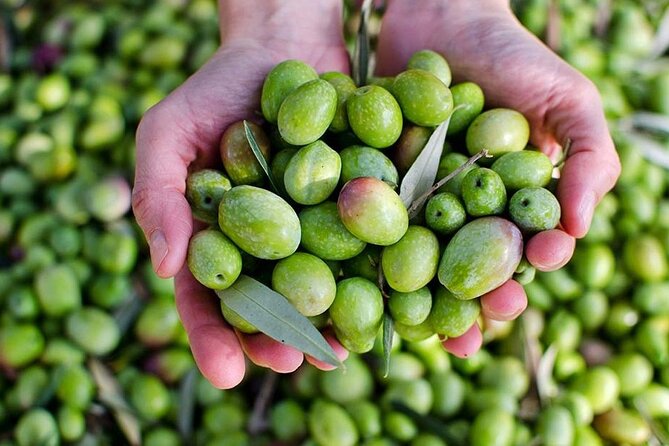
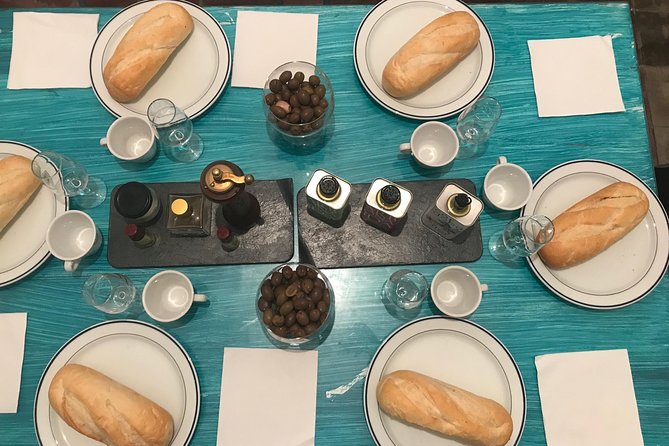
The traditional desayuno molinero, or Miller breakfast, comes from the workers who produced olive oil and olives. It was a quick break during the workday. In this setting, the idea is recreated with bread, olive oil, olives, and coffee or tea.
The bread is often a fresh baguette or a few rolls from a local bakery. You tear off a piece, add or dip it into the oil, and compare the results. The simplicity is the point. This is an old-fashioned worker’s snack, not a hotel buffet.
You may also receive water and, depending on the session, a small amount of sherry or dessert wine. The menu lists Arbequina oil as a starter, and the full tasting can include other varieties and infused oils.
Here is the important planning advice: do not skip your normal breakfast if you need a substantial meal. Some people find the portions pleasant but light. Others finish the activity still hungry because the breakfast is essentially one roll, several tablespoons of oil, olives, and a hot drink.
That is not necessarily a flaw in the traditional idea. It is a problem only if the name leads you to expect eggs, fruit, cheese, or a full café meal. If you need food with morning medication or have dietary needs, eat before the tour and treat this as a tasting.
Guides who make the difference
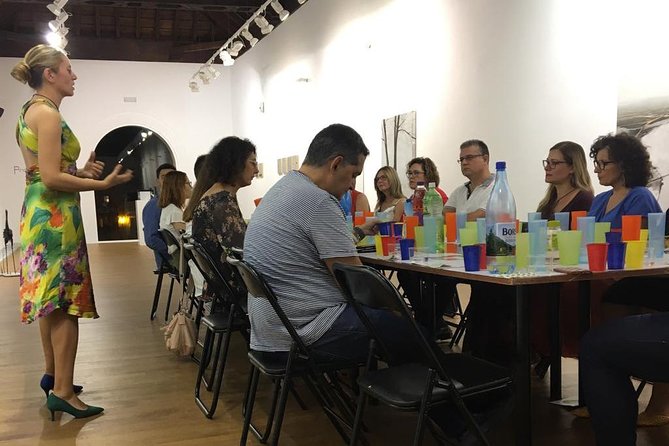
The experience depends heavily on the person leading it. Bárbara is described as warm, energetic, and connected to a family that produces wine and olive oil. She also adds local comments, useful Spanish phrases, and help with choosing regional food.
Mara brings a family background in olive growing and is especially strong at explaining the production process. She can talk about the types of trees, the picking season, processing, and the way flavor develops. José is also mentioned as a guide who shares lesser-known stories about Córdoba alongside the tasting.
The best part of these guides is their ability to answer questions. You can ask how to store oil, why one bottle is bitter, what pepperiness means, or which foods pair with a particular style. You are not limited to a fixed speech.
Guide changes are possible, and the tone can vary. One scheduled start time was moved earlier without enough agreement, which caused confusion. Confirm your start time and arrive at the stated meeting point early. If a guide contacts you with a change, make sure you clearly understand the new time.
A modest tasting room with a personal feel
The tasting room is not designed as a luxury food venue. It may be a basement area or part of a private home, and one setting was described as needing some dusting and updating. You should come for the content and the host, not for polished décor.
That said, a modest room can make the session feel more like a visit with a local producer than a standard tourist presentation. The group may be only two people, or perhaps six, even though the maximum is 10. A small party gives you direct access to the guide and makes questions easy.
Some sessions have taken place at a rooftop table, which adds a pleasant change of setting. The exact room should not be treated as guaranteed, since the available information points to more than one setup.
You can usually purchase the oils after the tasting. Shipping home is not provided, so pack carefully if you buy bottles. This is a useful detail for anyone hoping to bring Córdoba olive oil back from Spain.
Is $25.34 good value?
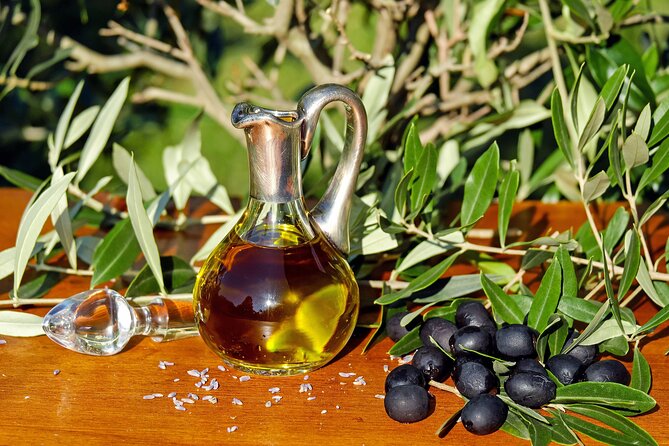
At $25.34 per person, this is a reasonably priced introduction to local olive oil. The price covers about 75 minutes, a market walk, a guide, olives, bread, hot drinks, and several tastings. The small group adds value because you get more conversation than you would in a large shop demonstration.
The value is strongest if you are curious about food culture and want a personal activity between Córdoba’s larger sights. It is less convincing if you want a serious professional tasting, a full breakfast, or a visit to an olive estate.
You could find a specialist oil shop with a more detailed tasting format. That may suit you better if your main aim is technical comparison, buying advice, or a larger selection. This activity earns its price through the combination of market context, local stories, and an informal host.
The overall rating is 4.7 from 84 ratings, with 90 percent recommending it. That strong response matches the activity’s best qualities: engaging guides, good oils, and an unusual break from monuments. The lower ratings point to one repeated issue, the gap between breakfast in the title and the small amount of food actually served.
Who will enjoy this Córdoba morning?
I would choose this for you if you like local food, enjoy asking questions, or want a short experience that feels different from a standard sightseeing tour. It also suits solo visitors, couples, and small groups who prefer conversation over a scripted presentation.
It is a good fit if you are new to olive oil. You do not need specialist knowledge, and the guide explains the subject in an accessible way. Even if you think you are not particularly interested in oil, the comparison of varieties can be surprisingly engaging.
Families with older children may also find it approachable, though the activity is centered on tasting and discussion rather than entertainment. Service animals are allowed, and the activity is near public transportation. Most people can participate.
I would think twice if you want a filling breakfast, a large market, a farm visit, or a formal tasting room. I would also avoid relying on the market as the main attraction, since it is compact and may not be fully open.
Timing, cancellation, and practical planning
The activity lasts about one hour and 15 minutes. That makes it easy to fit before a Córdoba sightseeing day, but leave enough time to find Calle Carlos Rubio 11 and identify the black door.
It is offered in English and is often booked about 14 days ahead. If the experience matters to your schedule, booking earlier is sensible, especially for a particular morning.
Free cancellation is available up to 24 hours before the start time. Changes or cancellations inside that window are not accepted for a refund. The experience can also be canceled for poor weather or because the minimum number is not met, with a different date or a full refund offered in those cases.
Should you book this olive-oil tasting?
Book it if you want a friendly, affordable introduction to Córdoba’s olive-oil traditions, with several oils, local food talk, and a guide who can answer questions. The small group and personal setting are the strongest reasons to choose it.
Go in with the right expectations. You are getting a light Miller-style breakfast, not a full meal; a small market, not a grand food hall; and a home-style tasting room, not a luxury venue. Eat something first, arrive early, and judge the activity as a local food lesson rather than a formal olive-oil course. With that understanding, it offers a pleasant and distinctive hour in Córdoba.
FAQ
How long does the olive-oil tasting breakfast last?
The experience lasts approximately one hour and 15 minutes.
Where does the activity begin?
It begins at Things to Do Córdoba, Calle Carlos Rubio 11, local, in Córdoba’s Centro area. Look for the black door on the right.
Where does the activity end?
The activity ends back at the meeting point.
What food is included?
The Miller-style breakfast includes bread, olives, and coffee or tea. The tasting may also include Arbequina oil, other olive oils, infused oils, and a small pour of dessert wine or sherry.
How many people can join the tour?
The maximum group size is 10 people. Some sessions may have fewer participants.
Can I cancel for a refund?
Yes. You can cancel at least 24 hours before the start time for a full refund. Cancellations or changes made less than 24 hours before the experience are not accepted.
Freshly pressed around Spain
- Paella, Olive Oil, Wine & Relax in Rural Estate outside Madrid★ 5.0 · 2 reviews
- Olive Oil Tour and Tasting in Málaga★ 5.0 · 2 reviews
- Discover the varieties of wines, olive oil and food on Mallorca★ 5.0 · 8 reviews
- Olive Oil Excursion to an olive mill in the Lecrín Valley★ 3.5 · 3 reviews
- Authentic Olive Oil Tasting in Cordoba, Spain★ 4.0 · 2 reviews
- Cordoba Olive Oil mill, Wine, Passion★ 4.5 · 8 reviews
- Full day in Cordoba between Vineyards and Olive Trees with a Convertible Car★ 5.0 · 2 reviews
- Visit olive grove centenary with oil tasting course★ 5.0 · 11 reviews
Cordoba Olive Oil Tours, compared.
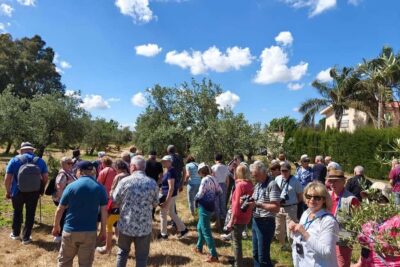
Córdoba: Visit a family organic olive grove with tasting
Read our review →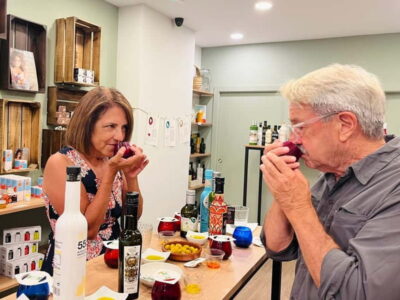
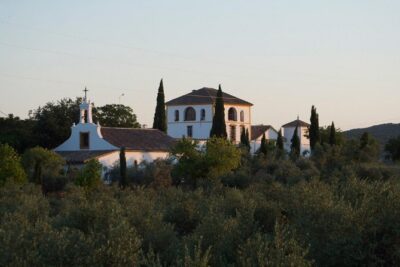
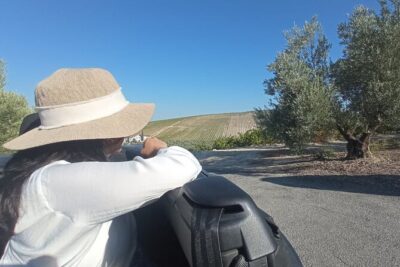
Full day in Cordoba between Vineyards and Olive Trees with a Convertible Car
Read our review →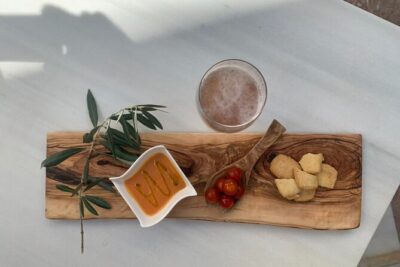
Other lists with this tasting on them