
Review · CORDOBA
Córdoba: Olive Oil Tasting Experience
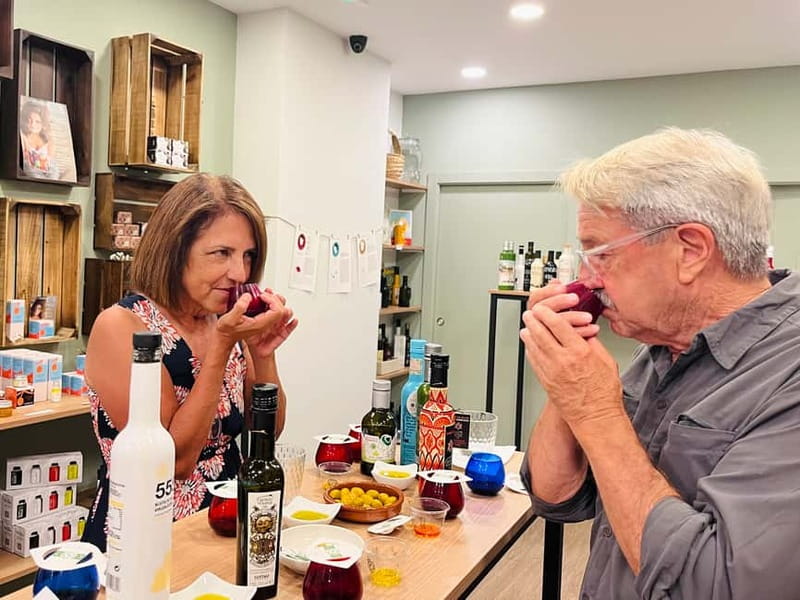
Córdoba’s olive oil tasting is less about sipping a condiment and more about learning how to judge one of Spain’s basic foods. You’ll compare oils with faults against excellent extra virgins, then use what you learn to choose the right bottle for your kitchen. I especially like the small-group feel and the hands-on dessert at the end.
I also like the setting: La Oleoteca de Córdoba sits on Calle Ángel de Saavedra, opposite the Church of Santa Ana and close to the Judería and Mosque-Cathedral. The main consideration is that this is a focused tasting, not a visit to an olive farm or working mill, so you’ll learn about production without touring the countryside.
Key points
- Taste the full range: Compare defective oils with highly rated extra virgin oils.
- Learn the oil-making chain: Follow olives from the field through the mill and production process.
- Understand tasting terms: Study organoleptic qualities, positive attributes, intensity, variety, and maturation.
- Use oil better at home: Learn which olive oils suit different cooking purposes.
- Finish with a Cordoban treat: Prepare a local dessert made with extra virgin olive oil and cocoa.
- Book near Córdoba’s historic core: The meeting point is on Calle Ángel de Saavedra, close to the Judería and Cathedral Mosque.
Why this Córdoba tasting is worth two hours
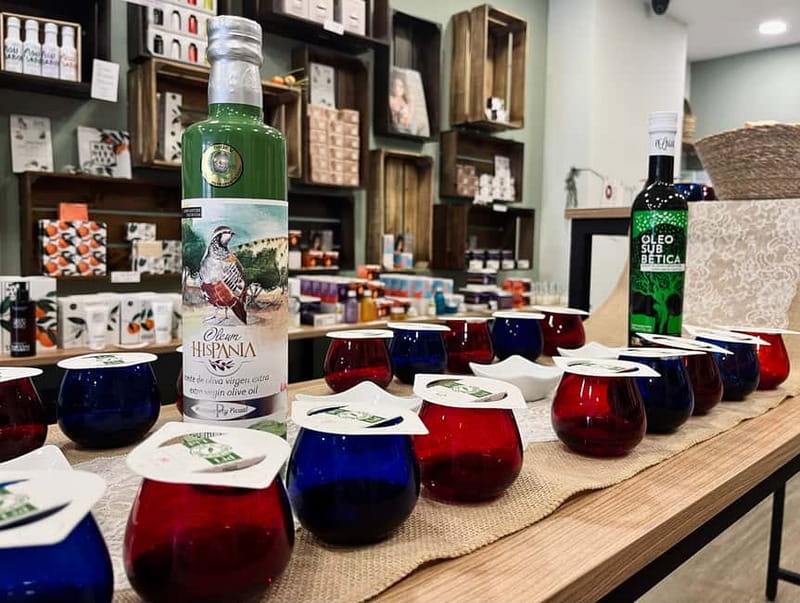
Olive oil can look simple on a supermarket shelf. In Andalusia, it is anything but simple. A bottle may differ by olive variety, harvest timing, ripeness, production method, intensity, and quality. This experience gives you a practical way to understand those differences in 115 minutes.
You are not simply handed bread and several oils to sample. The session explains how olive oil is made, how it is classified, and how tasters identify its good and bad qualities. That matters because many people use the words extra virgin without knowing what they mean in practice.
I like tastings that teach a skill you can use after the activity ends. Here, you learn to notice aroma, flavor, balance, and faults. You also learn that stronger is not automatically better. A powerful oil may suit one dish, while a gentler oil may work better elsewhere.
The price is $34 per person. For nearly two hours of instruction, several tastings, bread, mineral water, and a practical food preparation, that is a fair price if you have an interest in Spanish food. It is less useful if you only want a quick snack or a souvenir bottle.
More Olive Oil Tours around Spain:
- Ronda: LA Almazara LA Organic, Olive Oil Museum and Tasting
★ 4.6 · 435 reviews - Guided tour and olive oil tasting in Alhaurin el Grande (Málaga)
★ 5.0 · 200 reviews - Guided Tasting Tour in 16th century House and Olive Oil Factory
★ 5.0 · 169 reviews
Meeting at La Oleoteca near Santa Ana
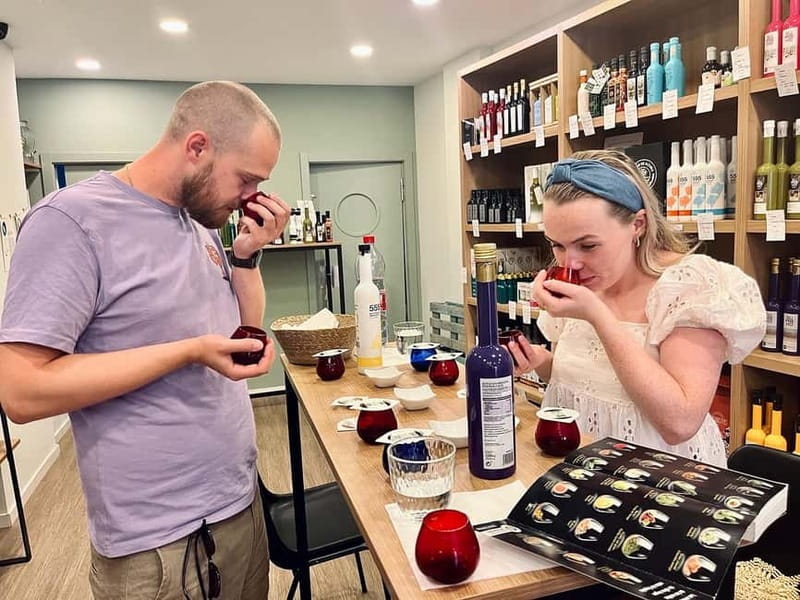
The activity begins at La Oleoteca de Córdoba on central Calle Ángel de Saavedra number 8. The shop is directly opposite the façade of the Church of Santa Ana, placing you in a convenient part of the city for a food stop between sightseeing visits.
The location is especially handy if you are already near the Judería or the Mosque-Cathedral. You will not need a separate trip out to the countryside, and the central meeting point makes it easier to fit the tasting into a morning or afternoon in Córdoba.
The setting also shapes the experience. You are tasting in an olive oil shop rather than on a farm. That means the focus is on explanation, comparison, and use. You should not expect an orchard walk, a mill tour, or a full rural meal. If those are your priorities, you will need a different type of olive oil visit.
The activity is wheelchair accessible. Instruction is offered in Spanish and English, so check that your preferred language is available when you choose a starting time.
From olive field to mill
One of the main parts of the session follows olive oil from the field to the mill. You learn how olives become oil and why each step affects the final product.
This is useful context for the tasting. Instead of treating oil as a single finished item, you begin to see it as the result of choices made during harvest and production. Olive variety, maturity, and processing all influence the taste and quality in your glass.
The experience also explains classifications. That helps you understand why extra virgin olive oil is treated as a higher category and why not every bottle labeled olive oil offers the same qualities. The aim is not to drown you in technical terms. It is to give you enough information to read a label and make a better choice.
The production section is probably the most valuable part for visitors who already cook with olive oil. You can connect what happens at the mill with what you smell and taste later. A bitter or peppery note may have a place in a good oil, while other unpleasant flavors can signal a defect.
Learning the organoleptic basics
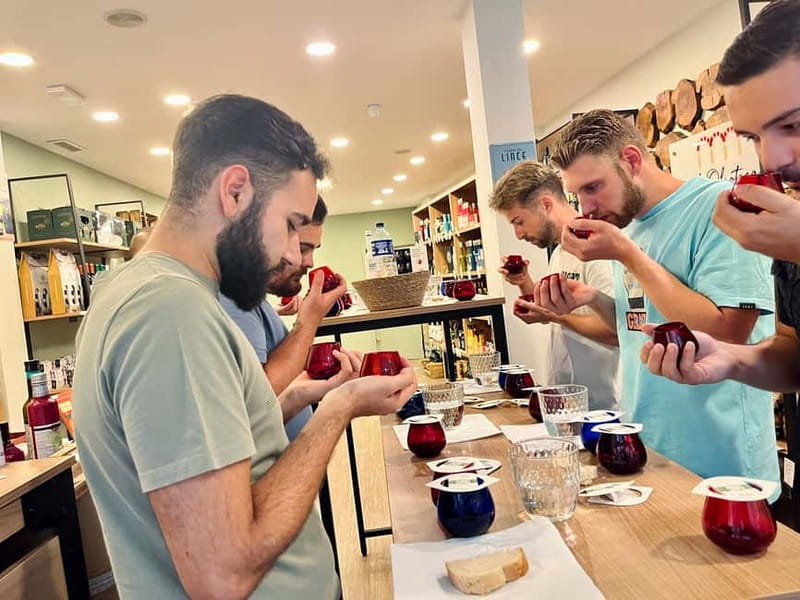
The word organoleptic sounds technical, but the idea is straightforward. It concerns what you can detect with your senses: smell, taste, and physical impressions.
You learn how to taste olive oil with more care than simply swallowing it on bread. The session covers positive attributes and teaches you to detect them. You may notice fruitiness, bitterness, or a peppery sensation, along with differences in strength and finish.
The key lesson is that bitterness and a peppery feel are not automatically flaws. In a good extra virgin oil, they can be signs of character. The important question is how those qualities fit together and whether the oil is fresh and balanced.
You also study faults. The tasting includes defective oils alongside some of the best extra virgin oils available for comparison. This is an excellent teaching choice because a fault is easier to understand after you have tasted a clean, well-made oil beside it.
That contrast turns abstract instruction into something you can recognize. You do not need to become a professional taster. You simply need to leave able to identify the difference between an oil with pleasing character and one that tastes stale, dull, or otherwise unpleasant.
Same olive country, a different way to taste it:
- Visit of the olive grove, olive oil tasting and snack
★ 4.9 · 111 reviews - Visit Oil Mill Museum and Olive Oil Tasting in Ronda
★ 4.5 · 105 reviews - Private Tasting of Olive Oil in Córdoba
★ 5.0 · 93 reviews - Olive Oil tasting breakfast & Tour in Cordoba
★ 4.5 · 84 reviews
Comparing varieties, intensity, and maturity
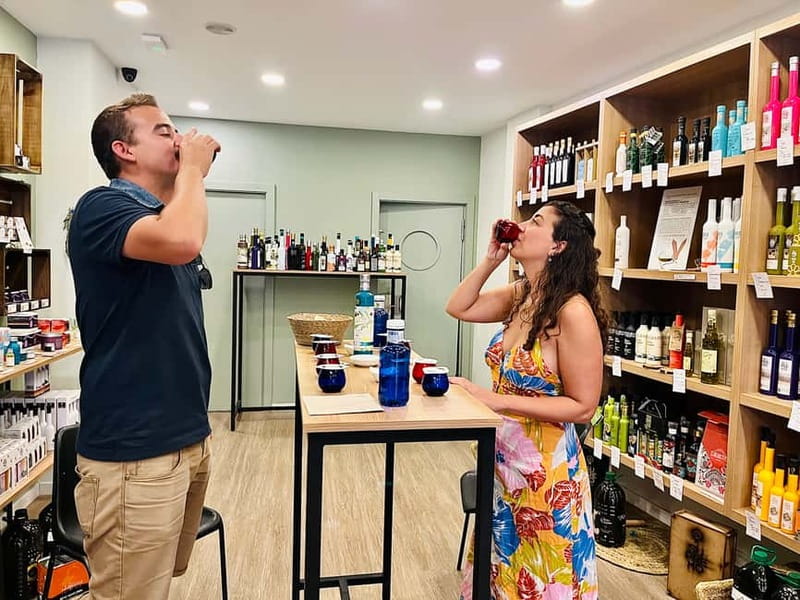
The tasting covers varieties, intensity, and maturation among extra virgin oils. These comparisons help explain why two oils can both be high quality yet taste completely different.
A lighter oil may be comfortable on delicate foods. A more intense oil may bring stronger flavor to bread, vegetables, or other dishes. The session connects those differences to cooking, which is more useful than simply ranking oils from mild to strong.
Maturation also affects the experience. The age or stage of the oil can change how fresh, forceful, or rounded it tastes. The point is not to memorize every category. It is to give you a vocabulary for choosing oil according to your own taste and the food you are preparing.
This part should appeal to anyone who has bought a costly bottle and then used it for everything. The better lesson is to match the oil to the job. You may decide to keep one everyday oil and another more distinctive extra virgin for finishing dishes.
Bread, water, and a hands-on tasting
Bread and mineral water are included. They provide the simple tools needed to taste and reset your palate during the session.
Bread makes the tasting more familiar, but do not expect the food component to resemble a full meal. The experience is built around the oils, and the bread serves as a basic accompaniment. If you arrive hungry, plan another meal before or after the activity.
The small-group format adds to the practical side of the session. A compact group makes it easier to ask questions and compare impressions. It also fits the teaching style better than a large presentation where you only watch from the back.
Named hosts associated with the experience include Alvaro, Albert, and Maricarmen. Alvaro is noted for clear instruction, Albert for an informative presentation with humor, and Maricarmen for an engaging approach to the subject. Since staff can change, treat these names as useful context rather than a guarantee of who will lead your session.
Making a Cordoban dessert with olive oil and cocoa
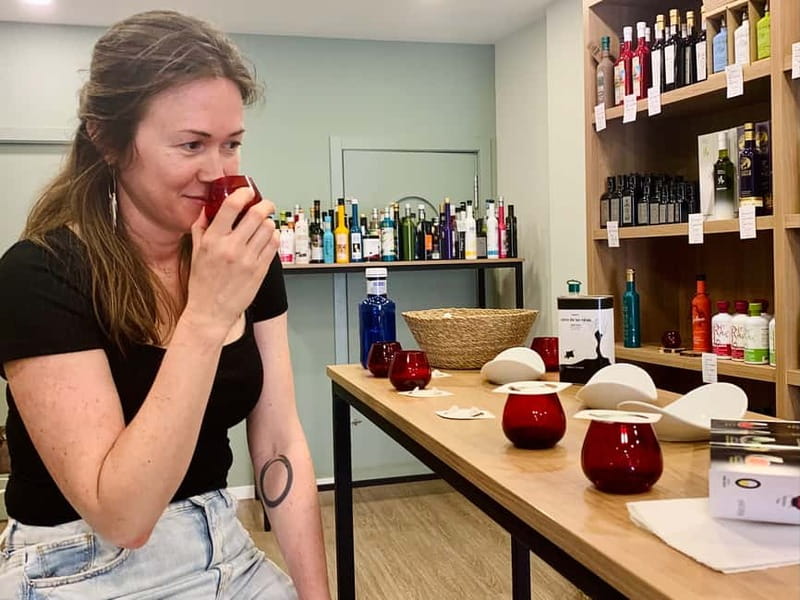
The final food activity gives the tasting a local finish. You prepare a typical Cordoban dessert on site using extra virgin olive oil and cocoa.
This is a smart ending because it shows olive oil outside the familiar salad or bread pairing. You get to see how the oil can work in a sweet preparation, and you can connect intensity and flavor to a finished dish.
The dessert is not presented as a separate cooking class. It is a short, practical preparation within the tasting. You should expect a focused demonstration or hands-on activity rather than a long lesson in Cordoban pastry.
Still, the idea makes the session more memorable. You leave with a clearer sense of olive oil as a cooking ingredient, not just something to dip bread into. Cocoa also gives the activity a distinctly local feel, even though the main subject remains olive oil.
What the $34 price really includes
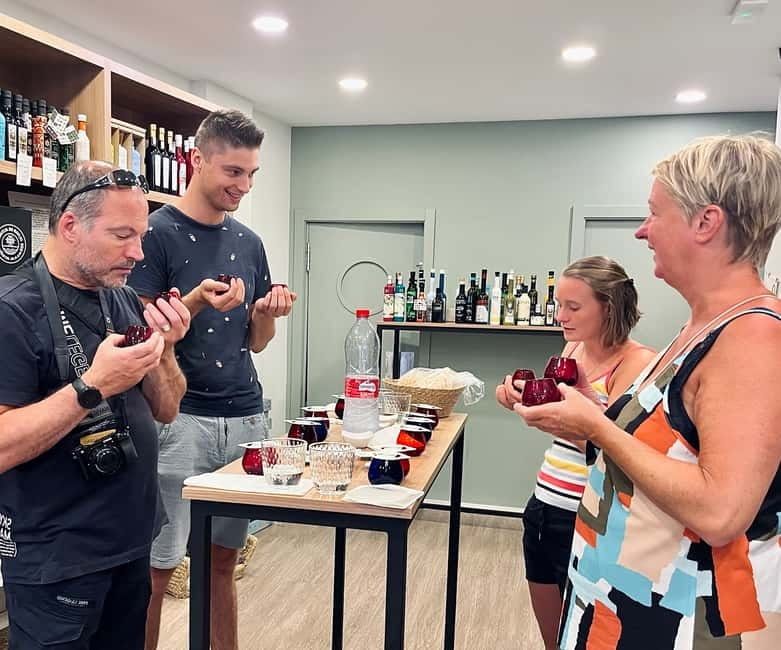
At $34 per person, the value depends on how much you want to learn. You receive professional olive oil instruction, mineral water, bread, several tastings, production information, and the dessert preparation. The session lasts 115 minutes, which gives the guide time to explain the basics rather than rush through a few samples.
For a food-focused visitor, this is a solid use of an afternoon. You are paying for guided comparison and practical knowledge, not only for the amount of oil consumed. A good instructor can help you recognize things you would probably miss in a shop tasting on your own.
The price is less attractive if you are looking for a farm setting, a large meal, or a bottle included in the fee. Those features are not part of the stated experience. The activity may help you choose a bottle at the shop, but the listed inclusions are instruction, water, and bread.
One useful detail is that purchased oil can be professionally packed for the journey. If you plan to buy a bottle after the tasting, this makes the stop more practical, especially if Córdoba is not your final destination.
Who will enjoy this experience most
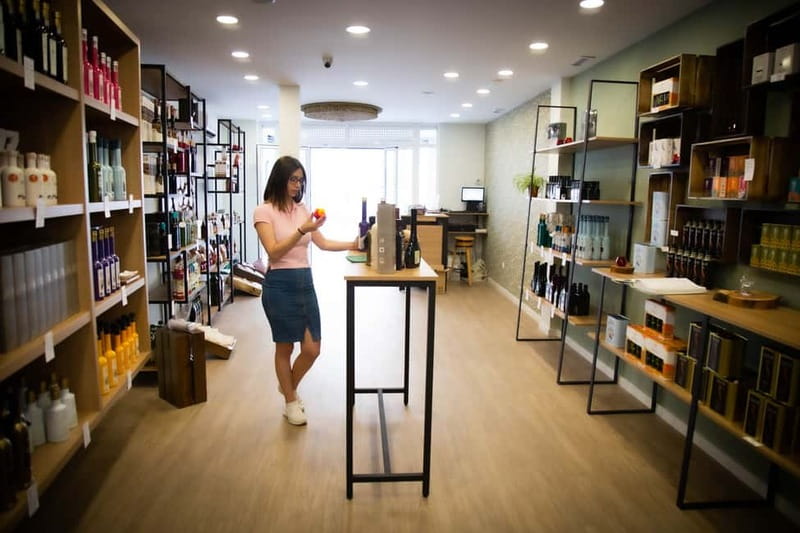
I would recommend this for curious eaters, home cooks, and anyone planning to buy Andalusian olive oil. It is also a good choice if you want a short indoor activity near Córdoba’s main historic sights.
You do not need previous tasting experience. The lesson begins with the basics and builds toward comparison. The inclusion of defective oils is particularly helpful for beginners because it teaches you what to avoid, not only what to admire.
The activity also suits people who prefer conversation to a formal lecture. The strongest comments about the hosts focus on clear explanations, humor, and interaction. That suggests a friendly teaching style rather than a dry technical class.
Families should consider the age and interest of each child, since the material centers on tasting and food production. The experience is accessible for wheelchair users, but the supplied information does not specify details such as restroom access or the exact layout inside the shop. If those points matter to you, ask before booking.
Timing, language, and cancellation
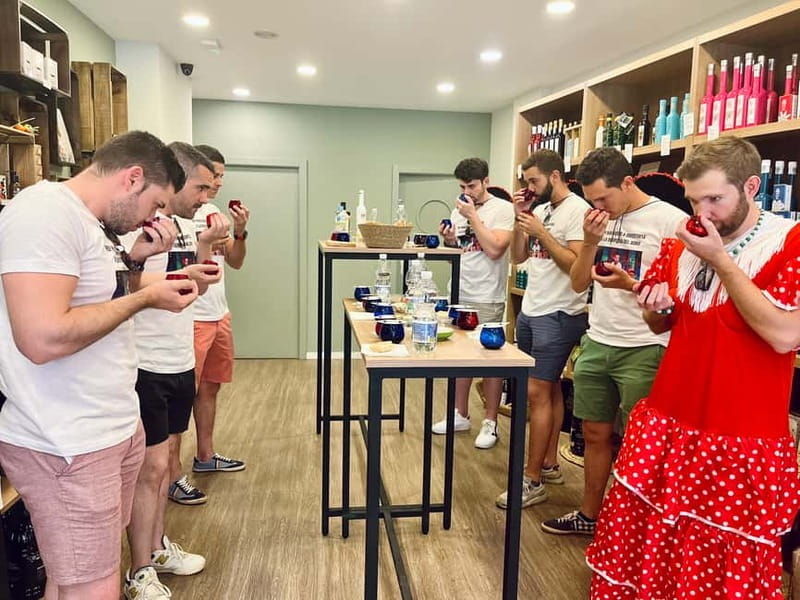
The duration is 115 minutes, and starting times depend on availability. That length works well beside Córdoba sightseeing, but allow time to reach Calle Ángel de Saavedra before the session begins.
Spanish and English are offered. If you are not comfortable with either language, the technical tasting section may be hard to follow, since much of the value comes from the guide’s explanations.
You can cancel up to 24 hours before the activity for a full refund. The reserve-now, pay-later option lets you hold a place without paying at the time of booking, which is useful when your Andalusia schedule is still shifting.
One caution is worth keeping in mind: a scheduled session can be canceled. If this is an important part of your day, check the booking status and have a backup plan nearby. A cancellation was recorded for one January booking, so do not build a tight chain of plans around the tasting.
Should you book the Córdoba olive oil tasting?
Book it if you want to understand Andalusian olive oil rather than simply taste it. The comparison between faulty oils and excellent extra virgins, the field-to-mill explanation, and the dessert with cocoa give the session a clear purpose.
I would especially choose it before visiting an olive oil shop or buying bottles to take home. You will have a better idea of what you like, how intensity affects food, and which qualities are worth paying for.
Skip it if you want a countryside excursion, an olive grove walk, or a substantial meal. This is a central Córdoba tasting class with bread, water, and a small dessert preparation. For the right audience, $34 buys a useful food lesson and a pleasant break near the city’s historic core.
FAQ
Where does the olive oil tasting take place?
It takes place at La Oleoteca de Córdoba, on Calle Ángel de Saavedra number 8, opposite the Church of Santa Ana.
How long does the experience last?
The activity lasts 115 minutes.
What languages are available?
The instructor-led experience is available in Spanish and English.
How much does the tasting cost?
The listed price is $34 per person.
Is the activity wheelchair accessible?
Yes, the experience is listed as wheelchair accessible.
What is included?
A professional olive oil tasting team, mineral water, and bread are included.
Can I cancel for a refund?
Yes. You can cancel up to 24 hours in advance for a full refund.
Do I have to pay when I reserve?
No. The reserve-now, pay-later option allows you to book while paying later.
Freshly pressed around Spain
- Paella, Olive Oil, Wine & Relax in Rural Estate outside Madrid★ 5.0 · 2 reviews
- Olive Oil Tour and Tasting in Málaga★ 5.0 · 2 reviews
- Discover the varieties of wines, olive oil and food on Mallorca★ 5.0 · 8 reviews
- Olive Oil Excursion to an olive mill in the Lecrín Valley★ 3.5 · 3 reviews
- Authentic Olive Oil Tasting in Cordoba, Spain★ 4.0 · 2 reviews
- Cordoba Olive Oil mill, Wine, Passion★ 4.5 · 8 reviews
- Full day in Cordoba between Vineyards and Olive Trees with a Convertible Car★ 5.0 · 2 reviews
- Visit olive grove centenary with oil tasting course★ 5.0 · 11 reviews
Cordoba Olive Oil Tours, compared.
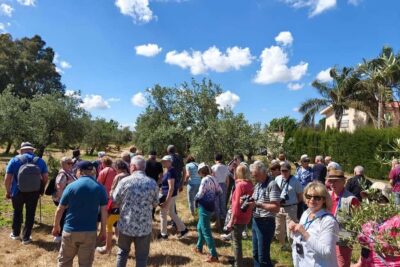
Córdoba: Visit a family organic olive grove with tasting
Read our review →
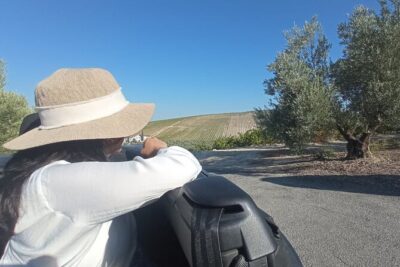
Full day in Cordoba between Vineyards and Olive Trees with a Convertible Car
Read our review →
Other lists with this tasting on them