
Review · CROATIA
Cres: Olive Oil Walking Tour with Tastings
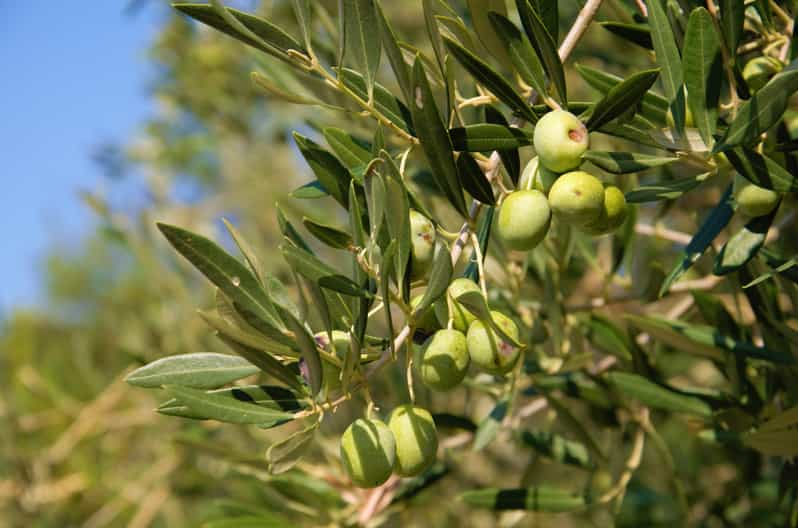
Cres olive oil is not just a condiment here. It is part of the island’s daily life, shaped by old trees, dry ground, patient harvesting, and family know-how. This 150-minute tour lets you see that story from century-old olive groves to the island’s only olive oil mill, then taste the result in Cres town.
I like the easy walk through the groves and the way guide Dunja connects olive growing with local history and everyday life. I also like the tasting setup, which goes beyond a quick sip: you sample several oils, learn how to judge them, and pair them with local food. The main consideration is the summer heat. The walk is manageable, but July and August temperatures above 30 degrees can be tough, especially for children under 12.
Key Points
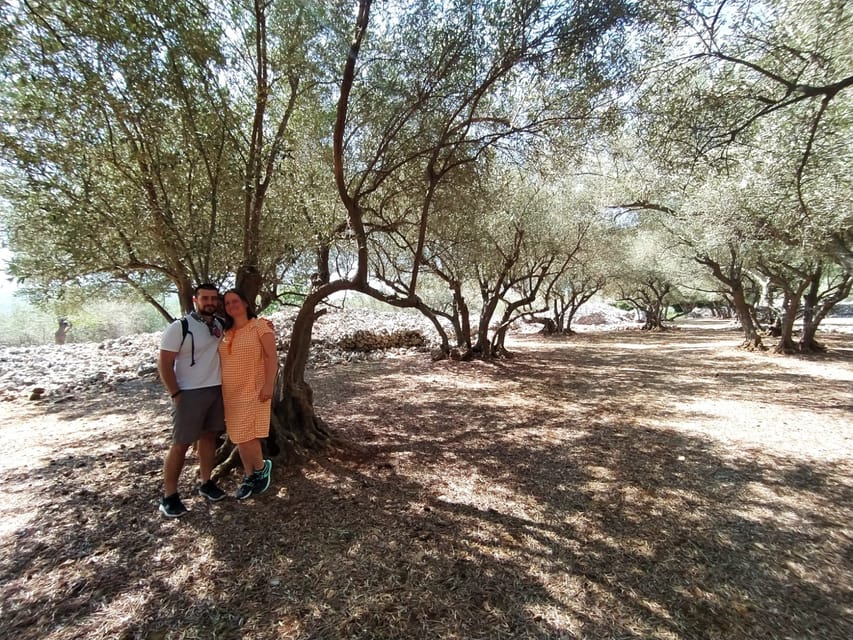
- Walk among olive trees more than 100 years old just outside Cres town.
- Visit the only olive oil mill on Cres and see how olives become oil.
- Taste three or more oils with guidance on flavor, quality, storage, and use.
- Share a traditional aperitif and local food such as prosciutto and cheese.
- Sample homemade spreads made with wild pomegranate, olives, and figs.
- Take home a jar of sweet or savory olive jam, depending on availability.
Why Cres Olive Oil Deserves Your Attention
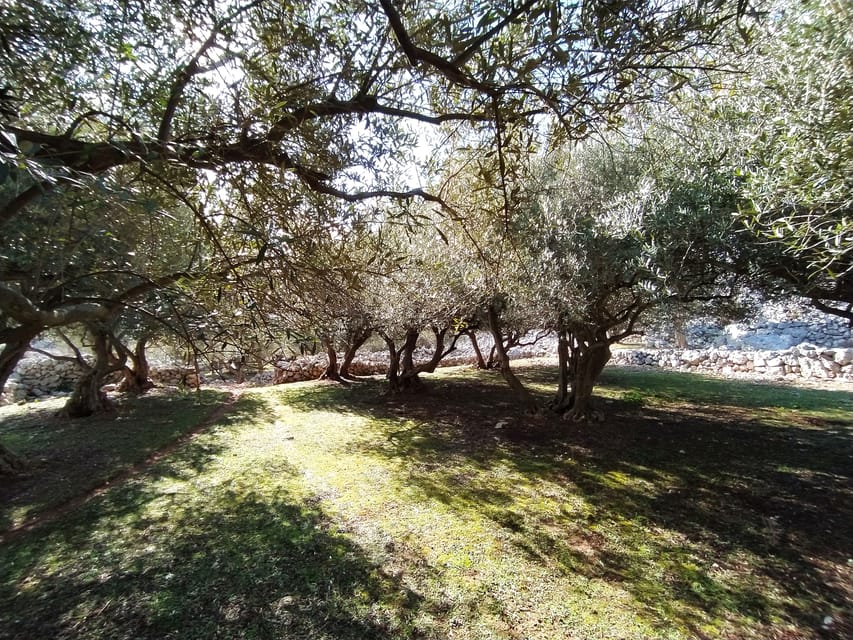
Cres is a good place to learn about olive oil because the experience is tied to a real local setting, not a polished food showroom. You begin among old trees outside town, where the pace is quiet and the subject becomes easier to understand. The groves show that olive production here is not a recent tourism idea. It has been part of island life for generations.
Your guide explains the olive varieties found on Cres, how they differ, and how people traditionally harvested them. That context matters. Once you hear about the work involved, a bottle of extra virgin olive oil becomes more than a souvenir with a nice label.
Dunja guides the tour in English or Croatian. Her style, based on the structure of the experience, is friendly and conversational. She encourages questions and connects the production process with the people, products, and natural setting around Cres. The group is limited to 10, which gives the tour a personal feel and makes it easier to ask about anything you do not understand.
The tour suits curious eaters, food-focused visitors, and anyone who wants an activity beyond swimming and sightseeing. You do not need to be an olive oil expert. In fact, the tasting lessons are most useful if you currently choose oil by price or bottle design and want a better way to compare it.
More Olive Oil Tours around Croatia:
- Split: Krka Waterfalls With Boat Cruise, Wine and Olive Oil
★ 4.3 · 1,507 reviews - Split: Klis Fortress GOT and Olive Museum Entry Tickets
★ 4.6 · 283 reviews - Split: Blue Line Sightseeing to Trogir, Klis & Olive Museum
★ 4.3 · 197 reviews
The 45-Minute Walk Through Cres Olive Groves
The walking portion takes place on easy terrain near Cres town and lasts about 45 minutes to an hour. It is not a serious hike, but you should still wear walking or hiking shoes with closed toes. Comfortable clothes, water, sunglasses, and a sun hat are sensible choices.
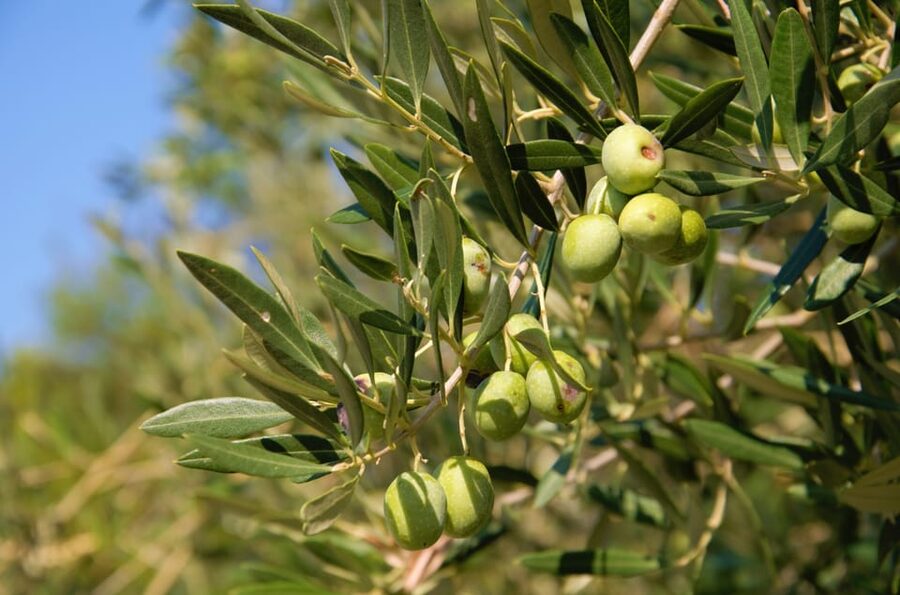
The old olive groves are the first major reason to book this tour. Trees more than 100 years old give the walk a strong sense of place. You are not simply being told that Cres has an olive-growing tradition. You are looking at the trees that support it.
As you walk, Dunja explains traditional harvesting methods and the olive varieties grown on the island. She also discusses the qualities that make the oil different. The supplied information does not promise a full botanical lesson, and that is probably a good thing. The focus stays practical: how olives are gathered, what happens next, and why the final oil tastes the way it does.
I like this part because it slows the day down. Cres can easily become a quick stop between beaches, ferries, and old-town streets. A walk in the groves gives you a better sense of the land around the town and a clearer connection to the food you will taste later.
The drawback is exposure to the sun. Shade and exact walking conditions are not specified, so bring water and sun protection. In July and August, when temperatures rise above 30 degrees, the tour is not recommended for children under 12. Rain also postpones the experience.
Inside the Only Olive Oil Mill on Cres
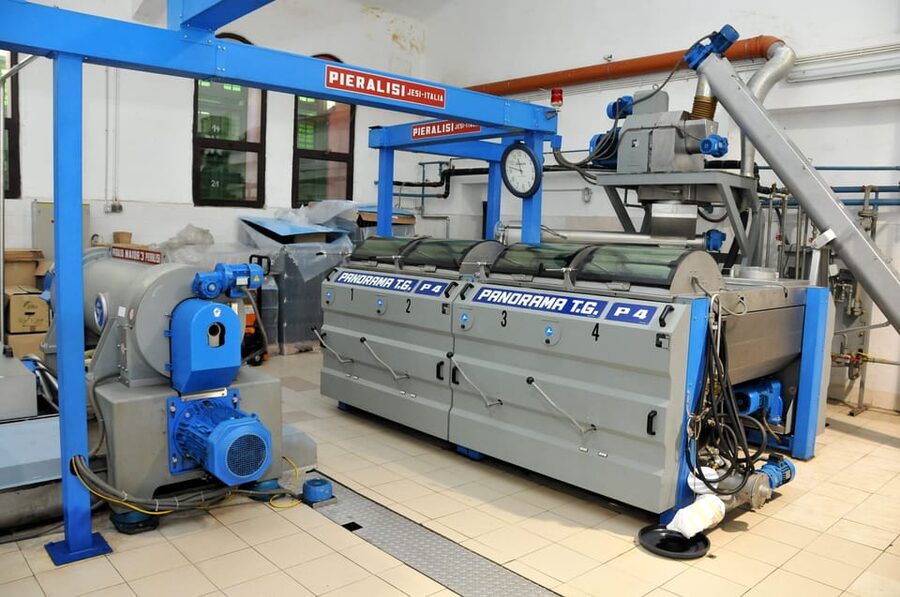
After the groves, you visit the island’s only olive oil mill. Entrance to the mill is included in the price, and this stop gives the tour its practical backbone.
Here you learn how olives are transformed into oil, how the finished product is stored, and what affects its quality. The mill helps connect the outdoor walk with the bottle on your table. You have seen the trees and heard about harvesting. Now you see the production stage.
This is also where you begin guided tasting. The method matters. Good olive oil tasting is not simply a matter of deciding if you like the flavor immediately. You learn to pay attention to aroma, bitterness, and the peppery sensation that can appear in the throat. The precise tasting instructions are not listed, so you should expect an introduction rather than a professional certification course.
The oil tasting received especially strong praise from the information supplied for this experience. Guests sampled three different oils, and the presentation included tips on how to taste and use them. That makes the stop useful even if you do not plan to buy oil during your visit. You leave with a better sense of what you are tasting and what kind of oil might suit cooking, salads, or serving with bread.
Storage is another helpful subject. Olive oil is sensitive to how it is kept, so advice about storage can save you from wasting money on a good bottle later. The tour explains what makes Cres oil special without turning the stop into a sales lecture.
A Town Tasting With Prosciutto and Cheese
The route continues into Cres town, where you visit a local producer in his shop. This stop brings the subject back from machinery and methods to the people who make and sell the product.
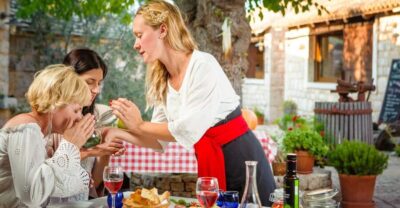
You hear first-hand stories about production and taste more olive oil. The tasting is paired with a traditional aperitif, and the food can include prosciutto and cheese. That pairing is important because olive oil is easier to understand with food than on its own. A strong oil may taste sharp or bitter by itself, but those qualities can work well with savory foods.
I like this part for its direct local connection. You are not tasting a generic Croatian product in a hotel room. You are meeting a producer in his shop and hearing how the oil fits into Cres life. The visit also gives you a chance to ask about bottles, uses, and local production in a relaxed setting.
The food portion is described as a closing snack in the supplied details, but the exact menu can vary. Prosciutto and cheese are specifically noted, so you can expect a traditional savory accompaniment, not a full meal. Plan to eat beforehand if you need lunch or dinner. This is a tasting experience, not a restaurant replacement.
Same olive country, a different way to taste it:
- Private Krka Waterfalls tour with 30min Boat Cruse
★ 4.0 · 458 reviews - Wine, food and olive oil by PhD student
★ 5.0 · 111 reviews - Hvar: Island tour with Wine and Olive Oil Tasting
★ 4.9 · 77 reviews - Visit Klis fortress GOT & Olive museum Klis
★ 4.5 · 77 reviews
Homemade Jams Made From Island Ingredients
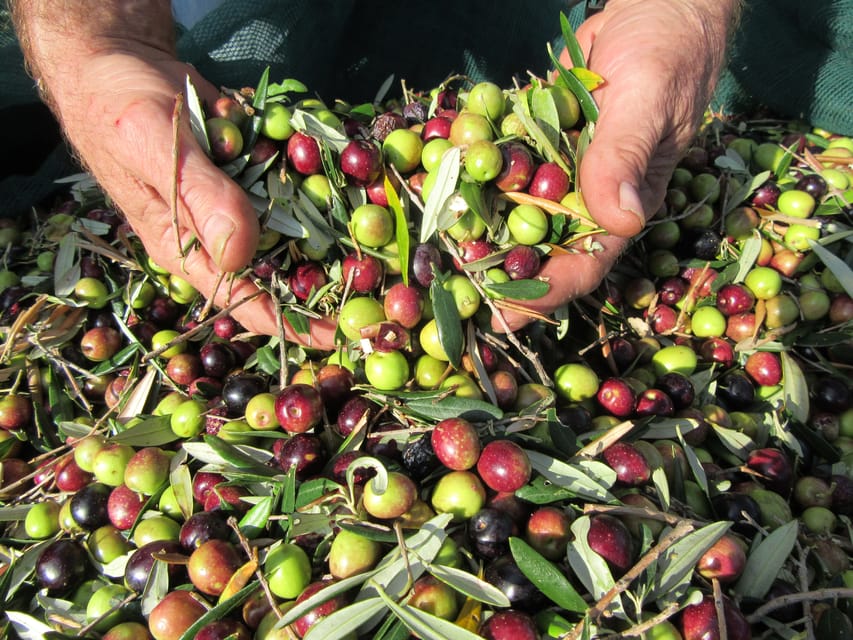
The final food stop shifts from olive oil to homemade jams and spreads. You sample products made from ingredients encountered during the tour, including wild pomegranate, olives, and figs.
This is a smart ending because it broadens your view of local food. Cres is not only about olive oil. The island’s fruits and preserves also tell a story about what grows locally and how people make food last beyond the harvest season.
You may taste sweet or savory spreads, depending on what is available. The combinations may be familiar, such as fig jam, or more unusual, such as olive jam. The point is not to compare a long list of products. It is to try a few local flavors and understand how island producers use what they have around them.
Each guest receives a jar of olive jam to take home. It may be sweet or savory, subject to availability. This is a genuinely useful souvenir because it is small, local, and easy to share. Pack it carefully if you are carrying luggage, and check your own transport or border rules if you are taking food onward.
Is $47 a Fair Price?
At $47 per person, the tour sits in the moderate price range for a small-group food and culture experience. You are paying for two and a half hours, a live guide, access to the mill, several tastings, the town producer visits, and a jar of olive jam.
The value comes from the combination. A short olive oil tasting alone would offer less context. A walk through the groves alone would not teach you how the oil is made. This tour links the trees, mill, producer, tasting table, and local preserves in one compact outing.
The group limit of 10 also matters. A smaller group makes it easier to hear Dunja, ask questions, and take part in tasting without being rushed through a crowd. There is no hotel pickup or drop-off, so you need to reach the Cres Fun & More tourist agency office yourself. Look for the blue flag and the sign reading tourist agency.
The flexible booking terms add practical value. You can reserve now and pay later, and cancellation is free up to 24 hours in advance for a full refund. Starting times depend on availability, so check the schedule when booking.
Who Will Enjoy This Tour Most?
I would choose this experience if you like food with a sense of place. It works especially well for couples, solo visitors, and small groups who want a gentle activity with plenty of conversation.
It is also a good pick for anyone curious about olive oil but unsure how to taste it. You do not need prior knowledge. The guide covers the basics and gives you a way to compare oils with more confidence.
Families should think carefully about timing and weather. The terrain is easy, but the summer heat can be intense. Children under 12 are not recommended during July and August when temperatures rise above 30 degrees.
This is not a suitable choice for wheelchair users or people with mobility impairments. The walk through the groves and movement between stops require more mobility than a seated tasting would.
You should also avoid booking it if rain is likely, since the tour is postponed in wet weather. Ask about rescheduling through the provider if conditions change.
What to Bring and How to Prepare
Keep your packing simple:
- Water
- Sunglasses
- Sun hat
- Comfortable clothes
- Sports or hiking shoes
- Closed-toe shoes
The walking route is easy, but sandals with little support are not the best choice. The groves are outdoors, and the surface may not be as even as a paved town street.
Arrive at the Cres Fun & More tourist agency office, marked by a blue flag and a tourist agency sign. Since hotel pickup is not included, allow enough time to find the office before the start.
The tour is offered in English and Croatian. If you have food allergies or dietary restrictions, the supplied information does not specify how these are handled, so ask the provider before booking rather than assuming the tastings can be adjusted.
Should You Book the Cres Olive Oil Walking Tour?
Book it if you want a compact, personal introduction to Cres food and farming. The strongest parts are the old olive groves, the visit to the only mill on the island, Dunja’s approachable guiding style, and the chance to taste oil with local food instead of treating it as an abstract product.
At $47, the experience gives you more than a tasting flight. You get a walk, production visit, several local food stops, and an edible souvenir. That is good value if you enjoy learning through food.
Skip it if you want a strenuous hike, a full meal, or a fully shaded activity in the height of summer. For most visitors who can manage an hour of easy walking, this is one of the better ways to connect Cres town with the island’s agricultural traditions.
FAQ
How long does the Cres olive oil tour last?
The tour lasts 150 minutes, or two and a half hours. The walk through the olive groves takes about 45 minutes to one hour.
Where does the tour meet?
Meet at the Cres Fun & More tourist agency office. Look for the blue flag outside and the sign that says tourist agency.
Is hotel pickup included?
No. Hotel pickup and drop-off are not included, so you must make your own way to the meeting point.
What languages are available?
The live tour guide speaks English and Croatian.
Is the walking route difficult?
The walk takes place over easy terrain near Cres town. You should still wear comfortable walking shoes, hiking shoes, or closed-toe sports shoes.
What do I take home from the experience?
Each guest receives one jar of homemade olive jam. It may be sweet or savory, depending on availability.
Freshly pressed around Croatia
- Makarska Tuk Tuk Tour Olive Grove, Scenic Views and Tastings★ 5.0 · 3 reviews
- Small-Group Olive Oil Tour in Cres with Tasting★ 5.0 · 2 reviews
- Private Hvar Island Tour and Olive Oil Tasting★ 4.5 · 10 reviews
- Poreč: Olive Grove Walk and Tasting with Local Products★ 5.0 · 5 reviews
- Kastela: Wine & Olive Tasting Tour w/Delicacies & Live Music★ 5.0 · 5 reviews
- From Biograd: Wine and Olive Oil Tasting in Ražnjevića Dvori★ 4.7 · 3 reviews
- Private Split & Klis Fortress Tour, Olive Museum & Port Pickup★ 4.5 · 13 reviews
- Istrian hill top cities tour with truffle and olive oil tasting★ 5.0 · 18 reviews
Croatia Olive Oil Tours, compared.
Private Krka Waterfalls tour with 30min Boat Cruse
Read our review →
Split: Klis Fortress GOT and Olive Museum Entry Tickets
Read our review →
Hvar: Island tour with Wine and Olive Oil Tasting
Read our review →
Olive museum Klis with educational olive oil tasting
Read our review →
Other lists with this tasting on them