
Review · ANDALUCIA
Jaén Discover the Secrets of Olive Oil: Tour & Sensory Tasting
Jaén produces much of the olive oil that defines Andalucia, and this 90-minute tour lets you see how that oil moves from ancient groves to a spotless, high-tech mill. You’ll walk among the trees, follow the production line, and taste three of the mill’s own extra virgin olive oils.
I like the hands-on look at production, especially the chance to watch washing, crushing, and cold extraction instead of only hearing a sales pitch. I also like the focused tasting, where guide Pilar explains how to notice fruitiness, aromas, and the pleasant peppery finish. The main drawback is the short format: at $28.40, it is good value, but you will not have time for a long countryside visit or a full meal.
Key points to know before booking
- Three oils, three ways to taste: Learn to compare olive varieties, aromas, fruitiness, and peppery notes during a guided EVOO tasting.
- A real working mill: See the key stages of production inside the Picualia facility, a large cooperative serving local growers.
- English at 10:30am: The Spanish session begins at 12:30pm, so check the language and start time carefully.
- Jaén’s olive country: The mill sits near Bailén, surrounded by groves that stretch across the province.
- Small enough to follow: Groups are limited to 20 people, which helps when you are asking questions or tasting.
- Simple logistics: The tour starts and ends at Carr. Madrid Cádiz, 298, in Bailén, with a mobile ticket and free cancellation up to 24 hours ahead.
Why Jaén’s Olive Oil Deserves a Closer Look
In Jaén, olive oil is not a side dish or a gift-shop souvenir. It is the local economy, the working countryside, and a point of pride. The province is covered with olive groves, and the oil made here reaches kitchens far beyond Andalucia.
That setting gives this tour its purpose. You are not simply sampling a bottle and hearing a few facts about Spain’s favorite cooking fat. You are following the process from tree to finished oil, then using your own senses to compare the results.
I especially like that the experience connects the view outside with the machinery inside. First you see the trees and hear about the harvest. Then you see what happens to the fruit after it arrives at the mill. Finally, you taste the finished product. The sequence is short, but it makes sense.
The tour takes place at the Picualia mill in Bailén, a large cooperative facility used by local olive growers. The setting combines old agricultural traditions with modern production technology. That contrast matters. Olive oil may be an ancient product, but the quality of the final bottle depends on careful handling and precise processing.
More Olive Oil Tours around Spain:
- Ronda: LA Almazara LA Organic, Olive Oil Museum and Tasting
★ 4.6 · 435 reviews - Guided tour and olive oil tasting in Alhaurin el Grande (Málaga)
★ 5.0 · 200 reviews - Guided Tasting Tour in 16th century House and Olive Oil Factory
★ 5.0 · 169 reviews
Walking Through the Olive Groves Near Bailén
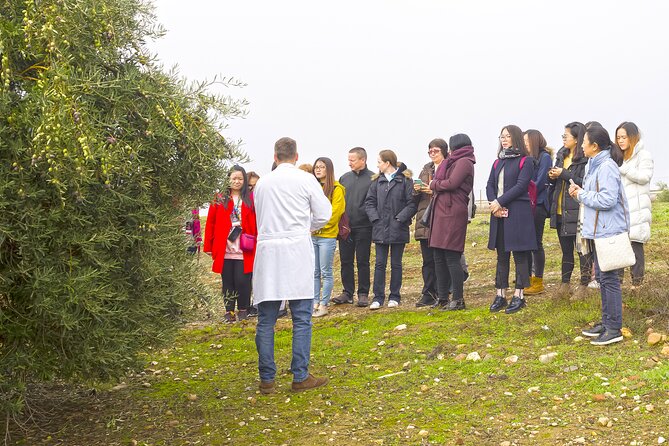
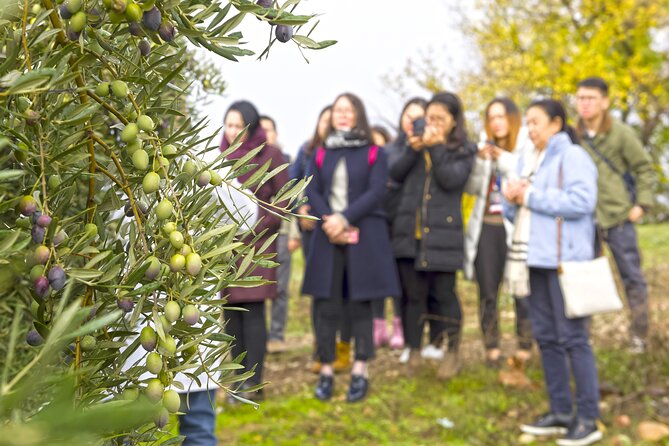
The experience begins at the mill’s olive groves, where your guide introduces the olive tree and explains the life of the crop. You will hear about the harvest and the difference between traditional and modern methods.
This opening walk is not a long hike. Think of it as a short orientation in the countryside before you enter the production area. It gives you a chance to look closely at the trees and understand why Jaén is so closely tied to olive oil.
I find this part valuable because it puts the product in context. In a shop, a bottle can make olive oil seem finished and anonymous. Among the trees, you can connect the oil to a seasonal crop and to the people who grow it.
The groves are described as ancient, and the surrounding province is known for olive orchards stretching as far as the eye can see. That broad rural setting may be one of the strongest visual parts of the experience. If you are visiting Jaén for its monuments alone, this tour takes you into the working countryside that supports the region.
Your guide also explains the harvest. The details can help you understand why timing and handling affect quality. The stated focus is on the full life cycle of the tree and the movement from fruit to oil, rather than on a single narrow topic.
Wear comfortable shoes for the outdoor portion. The information does not specify the exact walking surface, so you should expect a country setting rather than a polished city attraction.
Inside the Picualia Mill’s Production Line
The tour then moves into the almazara, the Spanish term for an olive oil mill. This is the practical heart of the visit.
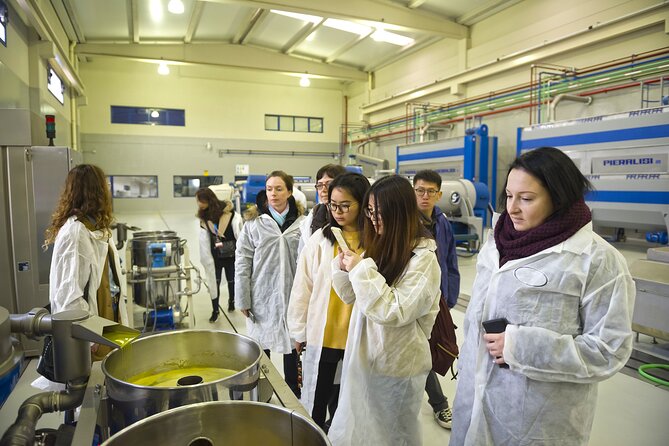
You will see the crucial stages of production, including washing, crushing, and cold extraction. Your guide explains why each step matters and how careful processing helps preserve the oil’s aroma and nutritional qualities.
The washing stage removes unwanted material from the olives. Crushing breaks the fruit down so the oil can be separated. Cold extraction is especially important because it is linked with protecting the aroma and qualities that make extra virgin olive oil more expressive.
You do not need technical knowledge to follow this part. The value is in seeing the chain in order. Once you understand that the oil comes from the whole olive fruit and that each stage affects the result, the tasting later becomes more useful.
The Picualia facility is described as large, technologically advanced, and spotless. That is worth noting if you are expecting a rustic farm shed. This is a major cooperative operation serving local growers, not simply a tiny family press.
That can be a benefit or a limitation, depending on what you want. If you like seeing modern food production at scale, the machinery and clean working environment should interest you. If you are looking for a quiet, handmade farm visit with one producer, the cooperative setting may feel less personal.
Still, the cooperative model adds useful context. It shows how many growers contribute to a regional product and how modern mills handle olives in an organized way. The tour aims to reveal that working operation rather than dress it up as a museum piece.
Learning the Language of Extra Virgin Olive Oil
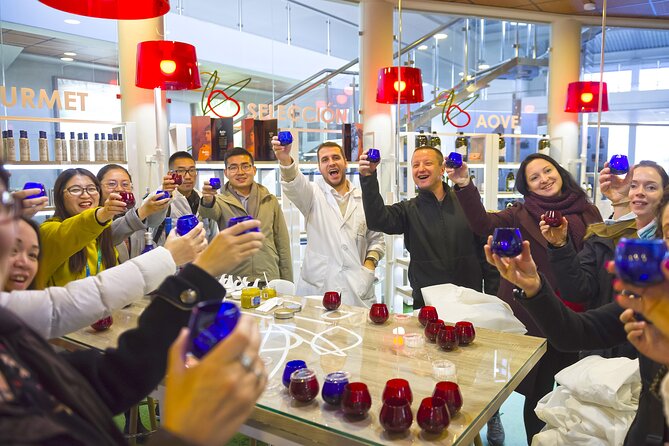
The final part is a guided tasting of three premium extra virgin olive oils made by the mill. This is where the tour becomes more than a production visit.
You will learn how to notice aromas and fruitiness, then compare the oils by variety and character. You will also learn to recognize the pleasant peppery sensation that can appear at the finish.
That peppery note may surprise you if you mainly use mild supermarket oil. In this tasting, it is presented as a positive sign connected with quality and antioxidants. The point is not to decide that stronger oil is always better. It is to understand what you are tasting and to recognize differences between oils.
The tasting also gives you a practical skill you can use after the tour. You can pay more attention to scent, flavor, and finish when choosing oil in a Spanish market or using it at home.
I like the decision to serve three varieties rather than one. With a single sample, it is hard to know what makes the oil distinctive. Three oils give you a basis for comparison, even though the exact varieties are not specified in the tour details.
The sample menu is simple: oil tasting. There is no meal, bread course, or broader food pairing listed. That keeps the focus clear, but you should not book this as a substitute for lunch. Have a meal before or after if you need something substantial.
The guide’s role matters here. Pilar is specifically praised for being well prepared, pleasant, and strong on olive oil. The tour is offered in English at 10:30am, and in Spanish at 12:30pm. For an English-speaking visitor, the morning session is the one to choose.
Same olive country, a different way to taste it:
- Visit of the olive grove, olive oil tasting and snack
★ 4.9 · 111 reviews - Visit Oil Mill Museum and Olive Oil Tasting in Ronda
★ 4.5 · 105 reviews - Private Tasting of Olive Oil in Córdoba
★ 5.0 · 93 reviews - Olive Oil tasting breakfast & Tour in Cordoba
★ 4.5 · 84 reviews
What the Guide Adds to the Visit
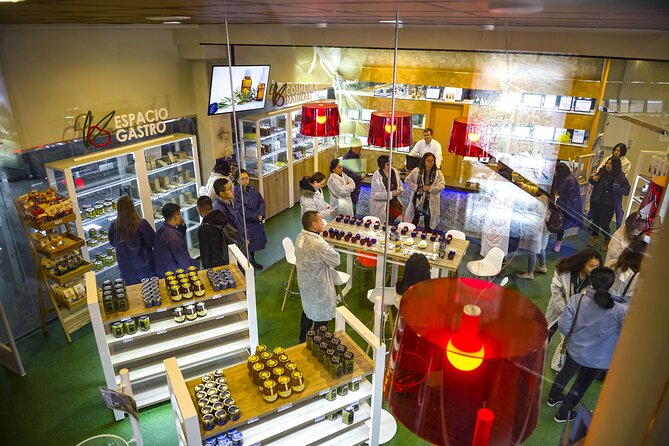
A good guide can turn machinery into a story you understand. This experience depends on that explanation because the production line alone will not tell you why each step matters.
Pilar is identified as the guide for the English experience, and her strength is the subject itself. You can expect explanations about the olive tree, harvesting, processing, and tasting rather than a quick walk followed by a shop stop.
The format also leaves room for questions. The group limit is 20 people, which is not a private tour, but it is still manageable. A smaller group makes it easier to stay close to the guide and follow the tasting instructions.
The available feedback gives particular emphasis to the guide’s preparation, pleasant manner, and command of the subject. Those qualities are important here because olive oil has plenty of technical terms and subtle distinctions. A clear explanation helps you avoid treating the tasting as a vague exercise in saying that one oil tastes good.
The description also promises insights that go beyond a basic guidebook account, including trade details about production. I would approach that promise sensibly. This is a 90-minute introduction, not a professional certification course. You will gain a useful working knowledge of the process, but not every agricultural or chemical detail.
Is $28.40 Good Value for 90 Minutes?
At $28.40 per person, the tour costs more than a casual tasting but less than a full-day food experience. The value comes from the combination of three elements: a countryside setting, access to a working mill, and a guided tasting.
If you only want to sample Spanish olive oil, you may find a cheaper option in a market or restaurant. That cheaper tasting will not usually show you the harvest setting or the machinery that turns olives into oil.
If you are already planning to visit Bailén or pass through the Jaén area, the price makes more sense. You get a focused regional experience without committing half a day. The tour begins and ends at the same meeting point, so there is no extra transfer built into the activity.
The short duration also has a benefit. You can fit the visit around other plans, especially if you choose the 10:30am English session. At 12:30pm, the Spanish tour runs close to lunchtime, so plan your meal separately.
I would not call this the right choice for someone seeking a long rural excursion. You will not spend hours among the trees, and there is no listed meal or extended farm activity. But for a concise introduction to Jaén’s main agricultural product, the price is fair.
Meeting Point, Timing, and Group Size
The meeting point is Carr. Madrid Cádiz, 298, 23710 Bailén, Jaén, Spain. The activity ends back there, which keeps the logistics straightforward.
You receive a mobile ticket, and confirmation comes at booking. The tour is offered in English and Spanish at separate times:
- English: 10:30am
- Spanish: 12:30pm
Check the language before you reserve. The schedule is not flexible within the same session, and arriving at the wrong time could spoil an otherwise simple plan.
The group limit is 20 people. That is large enough for a lively group but small enough to keep the guide’s explanation within reach. If you want the most from the tasting, stay attentive and ask about the differences between the oils.
The activity is described as suitable for most people. No special ability requirement is given, but part of the visit takes place among olive trees, so practical footwear is sensible.
Free cancellation is available up to 24 hours before the start time for a full refund. Changes or cancellations made less than 24 hours before the start are not accepted for a refund, and the cut-off follows local time.
Who Will Get the Most From This Tour?
I would recommend this experience to you if you want a clear introduction to Andalucia’s olive oil culture without giving up a whole day. It suits food-minded visitors, couples, families, and anyone curious about how a familiar ingredient is produced.
It is also a good fit if you are driving through Jaén province and want to connect the views of the olive groves with the finished product. Bailén’s setting makes the visit feel tied to the region rather than portable to any city in Spain.
The tour should appeal to people who prefer learning by comparison. Tasting three oils gives you a better sense of variety than sampling one bottle, and the guide’s instructions help you identify what you are noticing.
I would be more cautious if your main interest is architecture, history, or a long walk in nature. The focus is olive oil from start to finish. The grove walk is part of the story, but it is not presented as a major hiking route.
I would also set realistic expectations about the facility. This is a large cooperative and modern mill, not an intimate home operation. That is a strength if you want to understand contemporary production, but less so if you want a deeply personal meeting with one small grower.
Should You Book the Jaén Olive Oil Tour?
Book it if you want to understand why olive oil matters so much in Jaén and you appreciate experiences that connect place, production, and food. The combination of ancient groves, a working almazara, and three guided tastings gives you more than a bottle to take home.
The strongest reasons to go are the well-prepared English guide Pilar, the access to the Picualia mill, and the chance to learn a usable tasting method. At $28.40, the visit offers solid value for a compact 90-minute experience.
Skip it if you want a full meal, a long countryside outing, or a small family farm visit. For everyone else, especially anyone passing through Bailén, this is a practical and worthwhile way to understand Jaén’s green gold.
FAQ
Where does the olive oil tour start?
The tour starts at Carr. Madrid Cádiz, 298, 23710 Bailén, Jaén, Spain.
Where does the activity finish?
The activity ends back at the same meeting point.
How long does the tour last?
The tour lasts approximately 1 hour and 30 minutes.
What time is the English tour?
The English-language tour starts at 10:30am.
Is there a Spanish-language tour?
Yes. The Spanish session starts at 12:30pm.
What is included in the price?
The price includes a professional guide, a tour of the oil mill and almazara, and a guided tasting of three distinct varieties of the mill’s own premium extra virgin olive oil.
How many people can join the tour?
The activity has a maximum group size of 20 people.
Can I cancel for a full refund?
Yes. You can cancel at least 24 hours before the local start time for a full refund. Cancellations or changes made less than 24 hours before the start are not accepted for a refund.
Freshly pressed around Spain
- Paella, Olive Oil, Wine & Relax in Rural Estate outside Madrid★ 5.0 · 2 reviews
- Olive Oil Tour and Tasting in Málaga★ 5.0 · 2 reviews
- Discover the varieties of wines, olive oil and food on Mallorca★ 5.0 · 8 reviews
- Olive Oil Excursion to an olive mill in the Lecrín Valley★ 3.5 · 3 reviews
- Authentic Olive Oil Tasting in Cordoba, Spain★ 4.0 · 2 reviews
- Cordoba Olive Oil mill, Wine, Passion★ 4.5 · 8 reviews
- Full day in Cordoba between Vineyards and Olive Trees with a Convertible Car★ 5.0 · 2 reviews
- Visit olive grove centenary with oil tasting course★ 5.0 · 11 reviews
Andalucia Olive Oil Tours, compared.
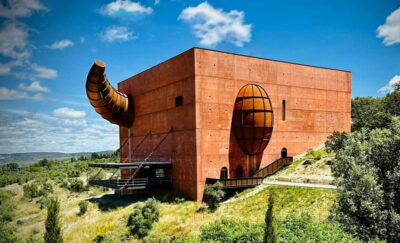
Ronda: LA Almazara LA Organic, Olive Oil Museum and Tasting
Read our review →
OleoAlmanzora: Guided tour olive groves and EVOO facilities
Read our review →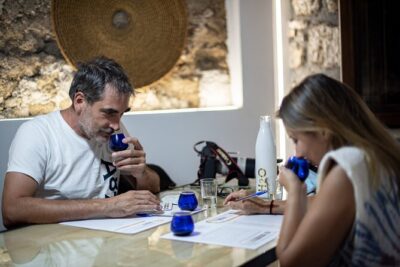
Tour of Olive Grove and Oil Mills with Oil Tasting
Read our review →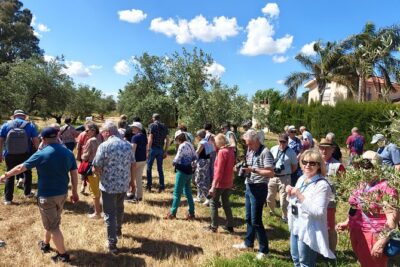
Visit to Family Ecological Olive Tree and Olive Oil Tasting
Read our review →Other lists with this tasting on them