
Review · ISTRIA
Olive Oil Guided Tasting and History in Pula
Pula’s House of Istrian Olive Oil turns a familiar kitchen staple into a proper tasting lesson. You’ll see how Romans made and shipped oil, then compare fine Istrian oils with the sort of bottle commonly found in a supermarket. I like the practical tasting skills and the sweet dessert pairing at the end.
I also like the small-group format, capped at 20 people, and the chance to ask questions in English. The possible drawback is that the museum section is compact and its layout may feel a little odd, with less hands-on activity than some visitors expect.
Key points to know before you book
- Roman oil-making comes first: See how olive oil was produced and exported in Istria centuries ago.
- You taste quality side by side: The session compares high-quality Istrian oils with a supermarket olive oil.
- You learn what extra virgin really means: Sensory clues help you identify good and flawed oil.
- Polyphenols get a proper explanation: The guide connects these natural compounds with olive oil’s health value.
- Dessert finishes the session: A surprise sweet course shows how extra virgin olive oil can work beyond savory food.
- The visit lasts about 90 minutes: It is long enough for a lesson and tasting without taking over your day.
Why this Pula olive oil tour is worth your time
I like food experiences that teach you something you can use after the holiday. This one does more than pour oil into little cups. It helps you understand why one bottle costs more than another, what defects taste like, and why the words extra virgin matter.
At $36.04 per person, the price is reasonable if you want a guided tasting rather than a quick sample at a shop. You get an exhibition, two short films, an explanation of production, a structured tasting, snacks, and dessert. That is a solid use of an hour and a half in Pula, especially on a hot afternoon or a rainy morning.
The experience is best for food-focused visitors, curious first-time buyers of olive oil, and anyone interested in Croatian food culture. You do not need to be an expert. In fact, the session works well if you usually buy oil by price, label design, or habit and want a better way to judge it.
More History and Heritage Tours around Croatia:
- Zadar Olive Oil & Wine with Dalmatian Views & History
★ 5.0 · 34 reviews - Šibenik: Croatia in a Day, Vistas, History, Olive Oil, Wine
★ 5.0 · 30 reviews - Heraklion: Zeus Cave & Knossos History, Villages & Olive Oil
★ 4.9 · 89 reviews
Entering the House of Istrian Olive Oil in Pula
The experience begins at Istarska ul. 30, in Pula. You return to this same location at the end, so there is no second stop to find and no transport between parts of the activity.
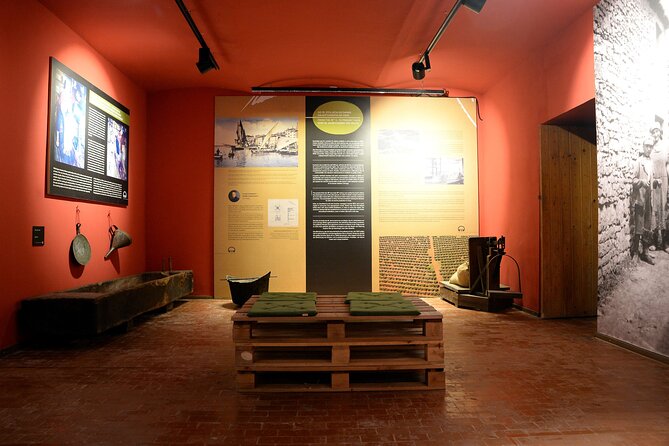
The visit starts in the museum area. It is not a large institution, and you should set your expectations accordingly. Think of it as a compact introduction to Istrian olive oil rather than a full-day museum visit.
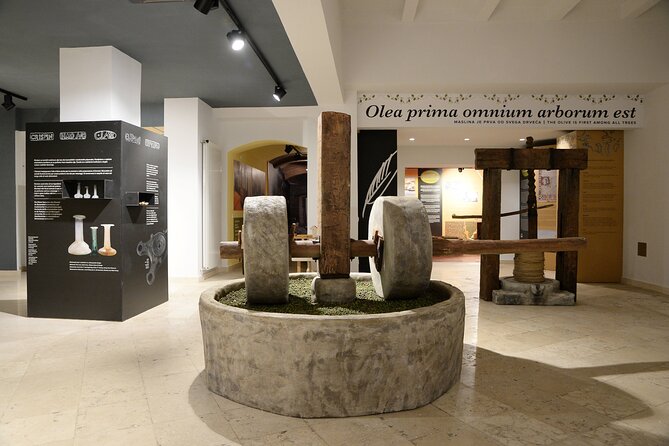
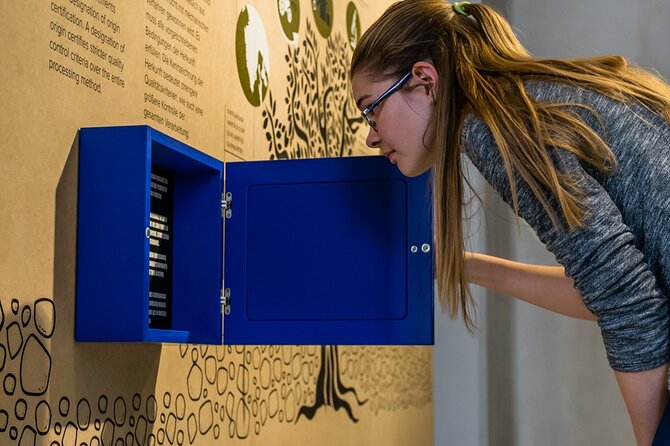
The exhibition focuses on how Romans in Istria made olive oil, where production took place, and how the oil was exported. That historical frame matters because it shows that olive growing is not a recent tourism product. It has been part of the region’s food and trade story for a very long time.
The museum layout may feel unusual, and the displays are not especially interactive. If you want buttons, demonstrations, or a large collection of objects, this first section could feel modest. I would treat it as a short orientation before the main event, not the sole reason to come.
Roman methods and two short films
The historical section gives you a useful base before the tasting begins. You see how earlier producers handled olives and oil, then consider how those methods relate to production today.
Two short films add a visual explanation. One covers traditional processing, while the other shows how olive oil is made today. This contrast helps you see that modern production is not simply a break from the past. The tools and controls may change, but the basic goal remains the same: protect the fruit and preserve the oil’s good qualities.
I find this part valuable because olive oil labels can make production sound abstract. Here, you get a clear link between place, farming, processing, and flavor. The films are short, so they should not eat up the time you came to spend tasting.
The tasting room and a lesson in sensory analysis
After the exhibition, you move into the tasting room. This is where the visit earns its price.
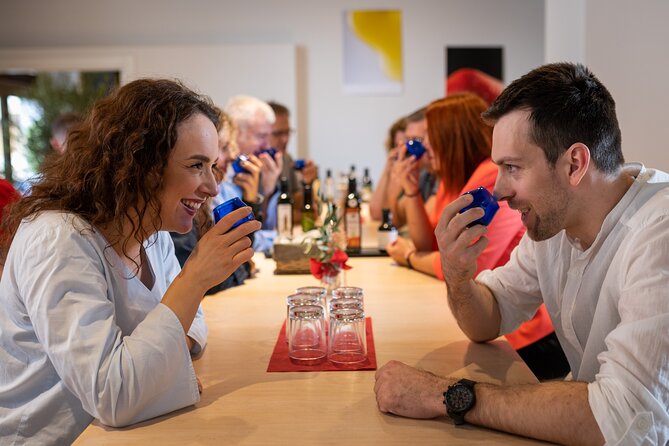
You taste high-quality Istrian olive oils and compare them with an oil commonly bought in a supermarket. The side-by-side format is the key. Sampling one oil alone can make it hard to know what you are noticing. Comparing several oils gives your nose and palate a reference point.
The guide takes you through sensory analysis, including positive and negative qualities. You learn how good oil should present itself and how flawed oil can reveal problems in taste or smell. The session is designed to help you recognize those differences rather than simply accept a professional verdict.
That makes the tasting useful at home. You can pay more attention to freshness, aroma, bitterness, and the overall balance of an oil. You may also become more cautious about treating every bottle labeled extra virgin as equal.
The guide answers questions during the tasting, so use that time well. Ask about the differences between the oils in front of you, what causes defects, and how polyphenols affect the character of the oil. The session is not just a set of samples. It is a chance to build a vocabulary for food you already eat.
More Guided Tours around Croatia:
- Buje: Authentic Istrian family farm, guided walk, foods & wine
★ 5.0 · 37 reviews - Pula: House of Istrian Olive Oil Museum and Guided Tasting
★ 4.9 · 35 reviews - Guided tour and olive oil tasting in Alhaurin el Grande (Málaga)
★ 5.0 · 200 reviews - Guided Tasting Tour in 16th century House and Olive Oil Factory
★ 5.0 · 169 reviews
What extra virgin olive oil really tells you
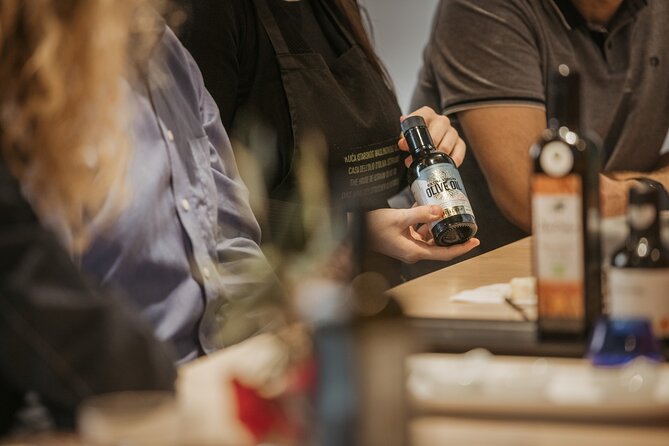
One of the strongest parts of the experience is the lesson on the term extra virgin. Many shoppers see those words and assume they tell the whole story. The tasting shows why the category matters, but also why your senses still matter.
You learn to identify positive and negative attributes in the oil. That can change the way you shop. Instead of looking only at the label or country of origin, you begin to think about how the oil smells, tastes, and performs as a food.
The lesson also covers polyphenols and their importance to health. The topic is handled as part of the tasting rather than as a separate medical lecture. You get enough context to understand why these compounds are discussed in connection with olive oil, while the main focus stays on flavor and quality.
I appreciate this practical approach. You leave with information that applies to a grocery store shelf, a restaurant table, or your own kitchen. You are not asked to memorize technical terms for their own sake.
The surprise dessert pairing
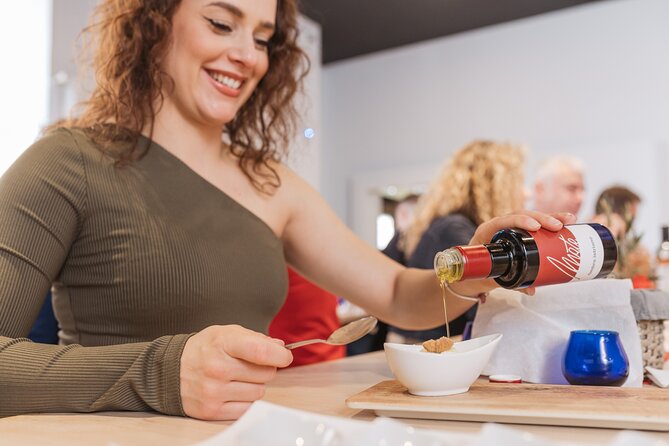
The tasting ends with a sweet pairing. You try high-quality extra virgin olive oil with a surprise dessert, showing how the oil can work with something sweet as well as bread, vegetables, or other savory foods.
This is a small course, but it gives the tasting a memorable finish. The point is not that you should pour olive oil over every dessert. The point is to notice how a good oil can add aroma, fruitiness, pepper, or texture in an unexpected setting.
Because the dessert is a surprise, you will not know in advance exactly what arrives. That keeps the final course playful, but it also means anyone with strict dietary needs should ask about the ingredients before booking or at the start of the visit. The provided details do not specify the dessert or list allergy information.
How much time to allow in your Pula schedule

The stated duration is about one hour and 30 minutes, though the actual timing can depend on your questions and interest. That flexibility is useful. If you are eager to learn, you can spend more time discussing the oils. If you have a packed sightseeing schedule, the visit should still fit neatly into a morning or afternoon.
The activity runs Monday through Saturday from 10:00 a.m. to 6:00 p.m. during the listed operating period, March 30, 2022 through January 21, 2027. It does not operate on Sunday according to the provided schedule, so check your date carefully.
The experience is offered in English. It accepts mobile tickets, and confirmation arrives at booking. The group can include up to 20 people. That is not a private tasting, but it is small enough for a guide-led format rather than a crowded sampling line.
I would not plan this as a rushed stop between major sights. Give yourself the full 90 minutes, especially if you want to ask questions. The activity ends back at the meeting point, which makes it easy to continue exploring Pula afterward.
Is the $36.04 price good value?
At $36.04, this is more than a casual food sample and less than a major half-day excursion. The value comes from the teaching. You are paying for guided comparison, not just the amount of oil and food in front of you.
The exhibition and films provide context. The tasting gives you direct practice. The explanation of defects and polyphenols gives you useful information to carry home. The dessert adds a final food experience instead of ending with a technical talk.
The price makes the most sense if you enjoy asking questions or want to improve your ability to judge olive oil. If you only want a quick taste and a souvenir bottle, you may find the full session more than you need.
I also think the cost works well for a first visit to Istria. You are not merely sampling a product. You are learning about a local ingredient that connects farming, trade, food, and daily life. That connection gives the experience more value than a generic tasting.
Who will enjoy this experience most
I would recommend it to foodies who want a closer look at Croatian cuisine without committing to a long cooking class. It is also a good choice for couples and small groups who enjoy comparing flavors and discussing what they taste.
It suits curious beginners particularly well. You do not need previous tasting experience, and the supermarket comparison gives you a familiar starting point. You can arrive knowing very little and still follow the session.
The tour may be less satisfying if you want a large museum, extensive archaeology, or a highly interactive display. The museum portion is compact, and some of the presentation may feel more informative than entertaining. The tasting itself is the main attraction.
Most people can participate, and service animals are allowed. The location is near public transportation. The available information does not provide detailed mobility notes about the interior, so contact the provider if you need specific access details.
A few smart ways to get more from the tasting
Come ready to pay attention to smell as well as taste. Olive oil is often judged too quickly by flavor alone, but sensory analysis depends on the full experience.
Use the comparison with the supermarket oil as a learning tool, not as a simple good-versus-bad contest. Ask what creates the differences and which qualities you should look for when buying oil later.
Take advantage of the guide’s questions and answers. The tasting is more valuable when you connect the samples to your own shopping habits. If you usually use olive oil only for cooking, ask how the qualities you taste might matter at the table.
Keep your schedule flexible by a few minutes. The session is advertised at about 90 minutes, but it can run according to the group’s interest. That is a benefit for curious food lovers and a small concern if you have a timed reservation immediately afterward.
Should you book the Pula olive oil tasting?
Book it if you want a focused, practical food experience in Pula. The Roman background, modern production films, clear oil comparison, and dessert pairing give the visit a good range without making it too long.
I would especially choose it if you have wondered what extra virgin means or if you want to stop buying olive oil on price alone. The compact museum is not the main draw, but the tasting and instruction make the visit worthwhile.
Skip it if you want a large, highly interactive museum or if your interest in food is limited to a quick snack. For everyone else, $36.04 buys a useful lesson, several tastes, and a better understanding of one of Istria’s most important foods.
FAQ
Where does the olive oil tasting take place?
The experience begins and ends at the House of Istrian Olive Oil, at Istarska ul. 30, 52100, Pula, Croatia.
How long does the experience last?
It lasts about one to one and a half hours. The exact timing can depend on your interests and questions.
What language is the tour offered in?
The experience is offered in English.
What is included in the tasting?
Olive oil tasting and snacks are included. The session also includes a surprise dessert paired with high-quality extra virgin olive oil.
How many people can join the tour?
The maximum group size is 20 participants.
Can I cancel for a full refund?
Yes. You can cancel at least 24 hours before the experience start time for a full refund. Changes or cancellations made less than 24 hours before the start time are not accepted for a refund.
Freshly pressed around Croatia
- Makarska Tuk Tuk Tour Olive Grove, Scenic Views and Tastings★ 5.0 · 3 reviews
- Small-Group Olive Oil Tour in Cres with Tasting★ 5.0 · 2 reviews
- Private Hvar Island Tour and Olive Oil Tasting★ 4.5 · 10 reviews
- Poreč: Olive Grove Walk and Tasting with Local Products★ 5.0 · 5 reviews
- Kastela: Wine & Olive Tasting Tour w/Delicacies & Live Music★ 5.0 · 5 reviews
- From Biograd: Wine and Olive Oil Tasting in Ražnjevića Dvori★ 4.7 · 3 reviews
- Private Split & Klis Fortress Tour, Olive Museum & Port Pickup★ 4.5 · 13 reviews
- Istrian hill top cities tour with truffle and olive oil tasting★ 5.0 · 18 reviews
Croatia Olive Oil Tours, compared.

Private Krka Waterfalls tour with 30min Boat Cruse
Read our review →
Split: Klis Fortress GOT and Olive Museum Entry Tickets
Read our review →

Hvar: Island tour with Wine and Olive Oil Tasting
Read our review →
Olive museum Klis with educational olive oil tasting
Read our review →
Other lists with this tasting on them