
Review · MALLORCA
Olive plant and mill visit and tasting
Mallorca’s olive oil story becomes much clearer when you see the trees, walk through the grove, and follow the fruit into a working mill. I like that this outing connects farming, food, and local culture rather than treating olive oil as just another souvenir. The tasting also teaches you how to recognize a good extra virgin oil, a useful skill at the table and in the shop.
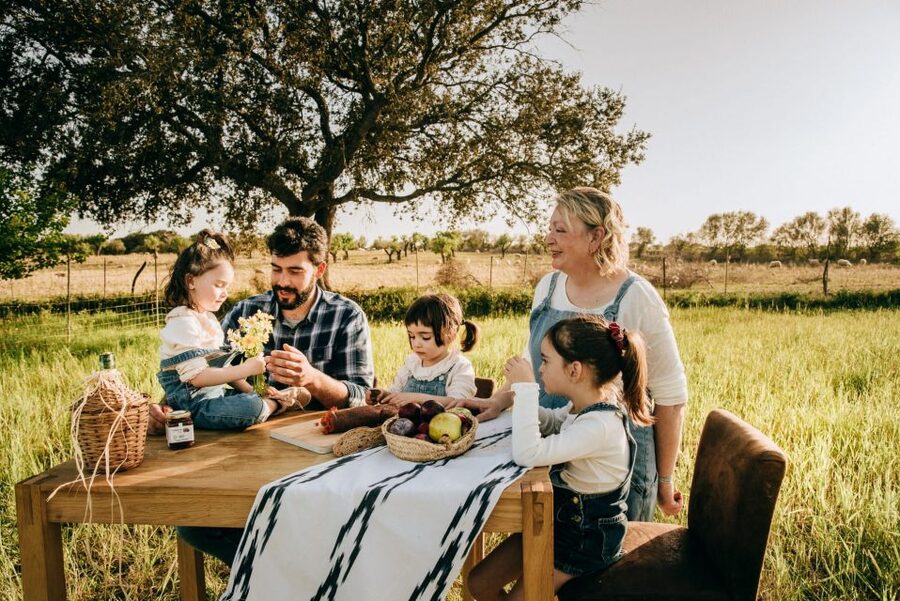
I especially like the small group of no more than eight people and the generous picnic of pa amb oli, sobrasada, Menorcan cheese, Iberian ham, fruit, wine, and water. The main consideration is the $112 price for three hours, which makes the included transport and food important to the value. The walking is moderate, but the tour is not suitable for people with mobility impairments.
Key points to know before booking
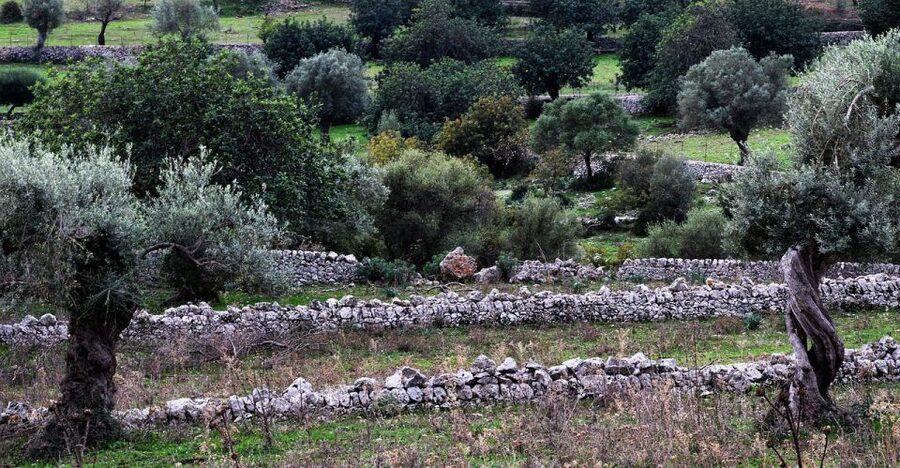
- Walk among Mallorcan olive trees: See the grove’s plants and wildlife while learning how the setting affects olive cultivation.
- Visit a modern working mill: Follow the production process from harvested olives to extracted oil.
- Learn to taste extra virgin oil: The tasting focuses on quality and helps you notice flavor, freshness, and faults.
- Eat a proper Mallorcan picnic: Pa amb oli, sobrasada, Menorcan cheese, Iberian ham, fruit, wine, and water are included.
- Travel in a group of eight or fewer: The small van and limited group allow room for questions.
- Start from Palma or Ca’n Pastilla: Hotel pickup and drop-off simplify the half-day outing.
Why an olive mill visit adds something to your Mallorca trip
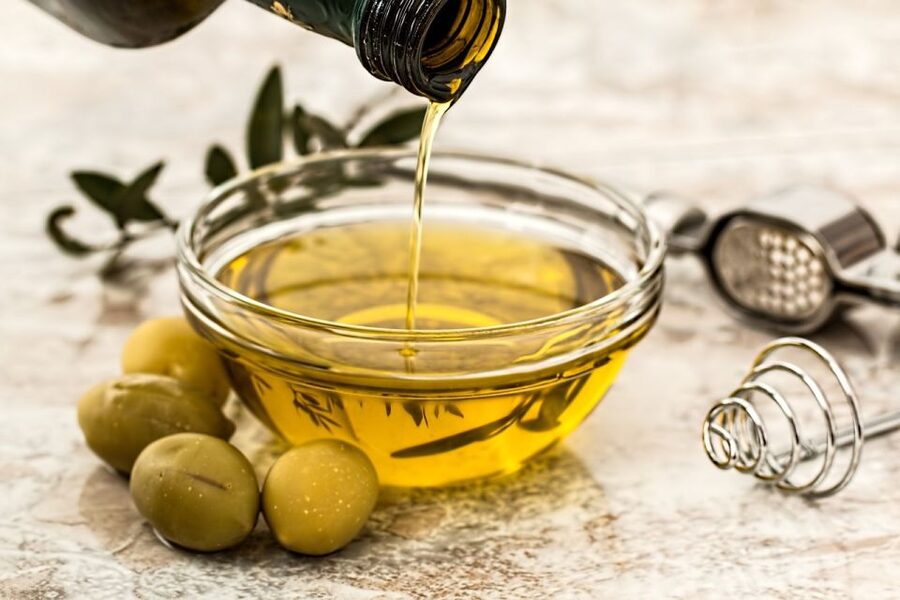
Mallorca is easy to enjoy from a beach chair, but the island’s food traditions make more sense once you see where the ingredients begin. This tour takes you away from the city for a visit to an olive estate in Llucmajor, an area within reach of Palma by van.
The focus is not simply on looking at old trees. You learn how olives are grown, harvested, and processed into oil. That matters because a bottle labeled extra virgin does not tell you everything about its taste or condition. A guided tasting gives you a way to compare oils and understand what quality should feel and taste like.
I like experiences that give you a practical skill to take home. After this one, you should have a better idea of how olive oil fits into everyday cooking, how it is judged, and why production methods affect the finished product.
The visit also brings together several parts of Mallorcan culture in one short outing. The trees provide the agricultural setting, the mill explains the technical work, and the picnic shows how oil appears in local food. You are not only looking at a product. You are seeing how it reaches the table.
More Olive Mill and Factory Tours in Spain
- Guided Tasting Tour in 16th century House and Olive Oil Factory
★ 5.0 · 169 reviews - Visit Oil Mill Museum and Olive Oil Tasting in Ronda
★ 4.5 · 105 reviews - Jaén: Guided Olive Mill Tour with Olive Oil Tasting
★ 4.9 · 74 reviews
From Palma or Ca’n Pastilla to Llucmajor
Pickup is available in Palma and Ca’n Pastilla, with hotel pickup and drop-off included. The drive to Llucmajor takes about 30 minutes by van, leaving most of the three-hour schedule for the estate itself.
That transport is a real part of the value at $112 per person. You do not need to arrange a taxi, rent a car, or work out how to reach the farm. It also keeps the outing simple if you are staying in Palma and want a food-focused side trip without giving up a full day.
The two pickup areas are useful, but they also limit the tour’s convenience. If you are staying elsewhere on Mallorca, you may need to reach Palma or Ca’n Pastilla on your own. Check the exact pickup point and starting time before booking, since the available schedule can vary.
The van ride is short enough that it does not take over the day. It also gives you a quick change of pace from city streets to the countryside around Llucmajor.
Walking through the olive grove
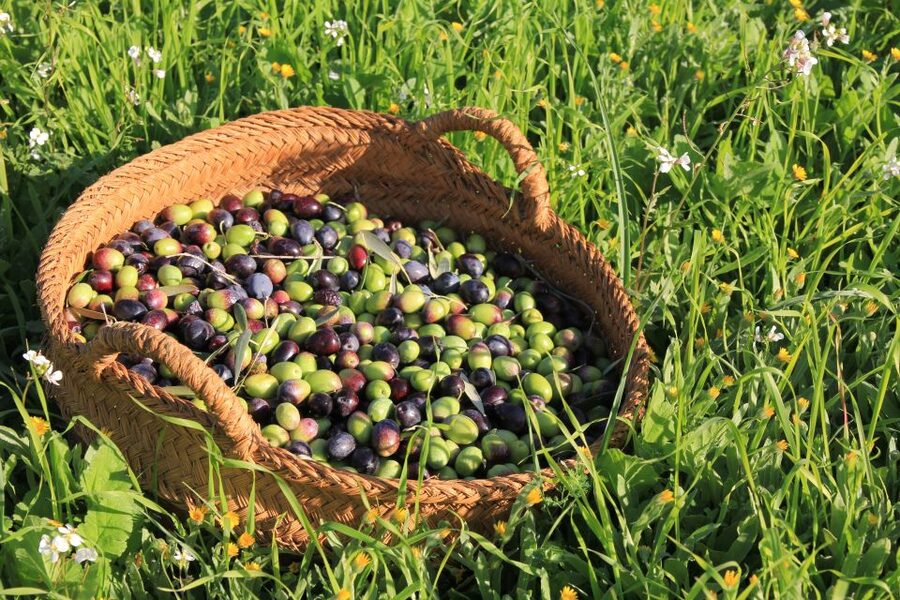
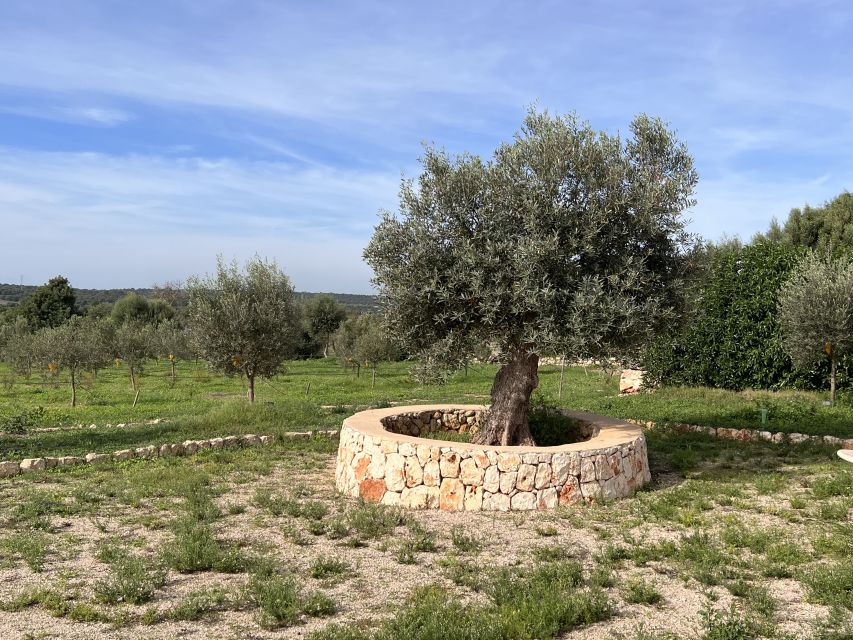
The estate visit begins with the agricultural side of olive oil. You walk among the olive trees and learn about the grove’s flora and fauna. This is a modest walk rather than a demanding hike, with only a few gradients, but comfortable shoes are still the right choice.
This part is valuable because the oil’s character begins long before the olives enter the mill. Tree care, harvesting, and the condition of the fruit all affect what can be produced. Seeing the trees gives the later tasting a clear point of reference.
The grove also helps you slow down and notice the setting. You are not rushing through a museum display. You are outdoors among the trees that supply the mill, with the guide explaining the role of cultivation in the final product.
The tour description calls the walking moderate and says it is not suitable for people with mobility impairments. That is important. You should be comfortable walking around an agricultural property and handling a few changes in ground level. The outing is not presented as wheelchair accessible.
You might find the grove especially appealing if you enjoy food experiences with a strong sense of place. If you only want a quick tasting with no walking or farming context, this tour may feel longer than necessary.
Inside the modern olive mill
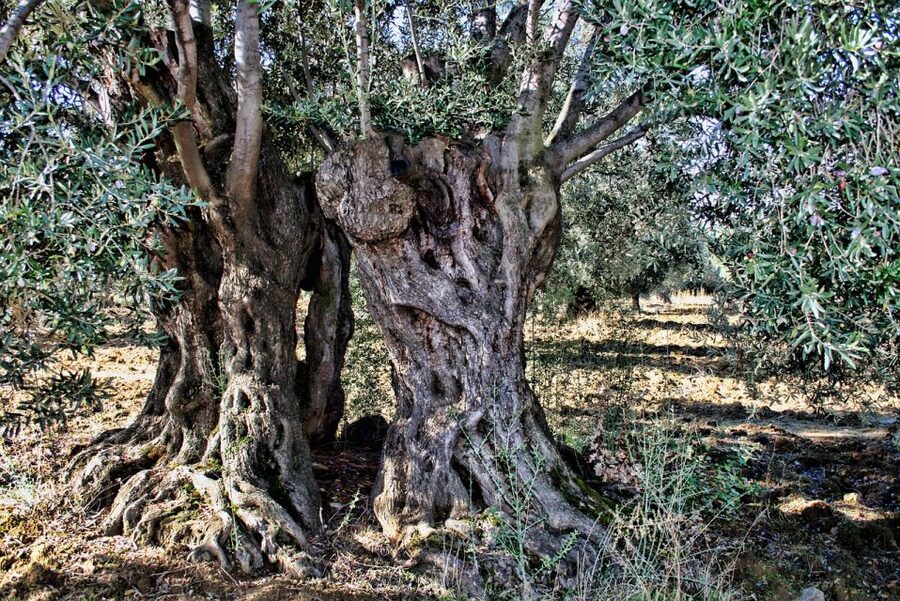
The next step is the olive mill, where the guide explains how oil is produced. The visit covers the production process and the methods used to extract olive juice. Because the mill is described as modern, the focus is on current processing rather than only traditional tools and old machinery.
That distinction is useful. Olive oil can seem simple on a menu, but the path from fruit to bottle involves careful handling. The mill visit shows why cultivation and extraction cannot be treated as separate subjects.
You should expect a guided walk through the plant and mill rather than a hands-on workshop. The available information does not promise that you will operate machinery or harvest olives, so book this for explanation and observation.
I like this sequence: first the tree, then the mill, then the tasting. It gives you a logical way to connect each stage. When you later smell and taste the oil, you have already learned what the producer is trying to protect during processing.
The quality discussion is one of the strongest reasons to choose this experience. You learn how to recognize extra virgin olive oil, not just how to pour it over bread. That can help you make better choices when buying oil in Mallorca or at home.
Same olive country, a different way to taste it:
- Ronda: LA Almazara LA Organic, Olive Oil Museum and Tasting
★ 4.6 · 435 reviews - Guided tour and olive oil tasting in Alhaurin el Grande (Málaga)
★ 5.0 · 200 reviews - Visit of the olive grove, olive oil tasting and snack
★ 4.9 · 111 reviews - Private Tasting of Olive Oil in Córdoba
★ 5.0 · 93 reviews
Learning what extra virgin olive oil should taste like
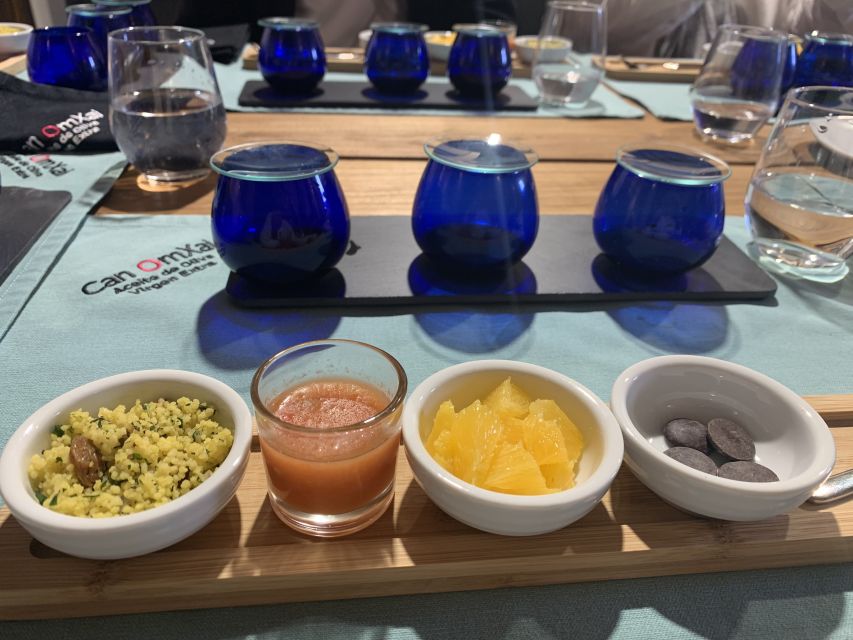
The oil tasting is the heart of the visit. You sample the estate’s oils and learn to pay attention to their qualities. The exact number of oils is not specified, so you should not expect a particular lineup or formal tasting menu.
Still, the tasting has a clear purpose. It helps you understand that olive oil is not one uniform flavor. Differences in production and quality can show up in aroma, taste, and the way the oil feels in your mouth.
The guide also links the tasting to daily use. You may leave with a better sense of which oils suit bread, salads, or other simple dishes, though the tour does not promise specific cooking demonstrations.
The small group helps here. With a maximum of eight participants, the guide has a better chance to answer individual questions than on a large coach excursion. The available feedback repeatedly highlights the clear explanations, friendly hosting, and the amount learned about production and oil quality.
Guides named Michael and Julia received particular praise in the supplied feedback. Michael was also credited with adding a spontaneous wine tasting for one group. That extra stop is not part of the stated itinerary, so treat it as a possible surprise rather than something you should count on.
A Mallorcan picnic instead of a token snack
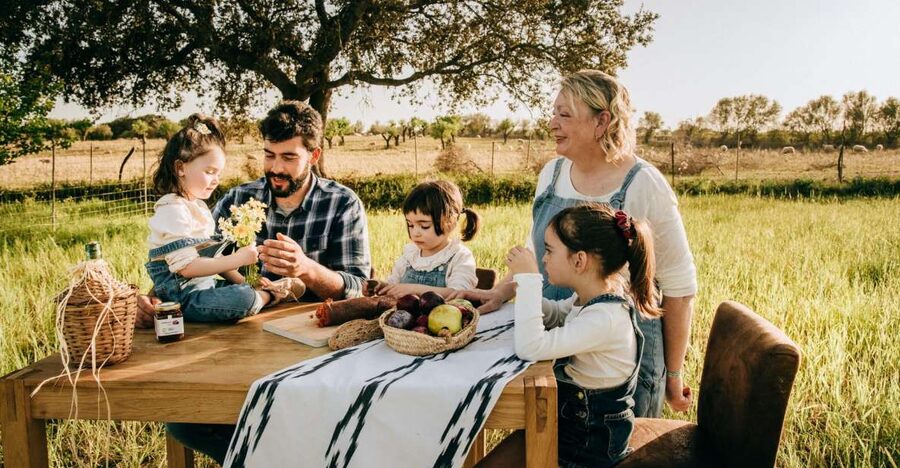
The included food is more substantial than a biscuit and a small cup of oil. You get pa amb oli, the Mallorcan combination of bread, tomato, and olive oil, along with sobrasada, cheese from Menorca, Iberian ham, fruit, wine, and water.
This is a smart part of the experience because it shows the oil in its natural setting. Tasting oil alone teaches you about the product. Eating it with local foods shows how it works as part of a meal.
Pa amb oli is especially fitting. It gives the oil a simple base, so you can notice its flavor without a complicated recipe getting in the way. The other foods add salt, spice, richness, and texture, giving you different ways to experience the oil.
Wine and water are included with the picnic. Other beverages and additional food are not included, so do not expect an open bar or a full restaurant menu. The meal is designed as part of the estate visit, not as a long separate lunch.
The food also helps justify the price. At $112, this is not a bargain activity for a short tasting alone. The value is stronger when you count the van, guided estate and mill visit, oil tasting, picnic, and small group together.
What the three-hour schedule feels like
The total duration is three hours, including the transfer from Palma or Ca’n Pastilla to Llucmajor. About 30 minutes is assigned to the van ride, leaving roughly two and a half hours for the guided visit.
That is enough time for the tour to have substance without taking over your day. You can schedule it alongside other Palma plans, though pickup and drop-off timing may reduce the flexibility of the surrounding hours.
The estate portion includes the grove, the mill, the oil explanation, the tasting, and the picnic. The schedule is therefore active, but not packed with unrelated stops. I appreciate that the tour stays focused on one product and its role in Mallorcan life.
You should wear comfortable shoes and bring a relaxed attitude toward walking outdoors. The tour has only a few gradients, but it is still a farm and mill visit rather than a polished indoor attraction.
The English-speaking guide is another important detail. If you want a tour in another language, you should not assume it is available, since English is the language specifically listed for this activity.
Who gets the most from this experience
I would recommend this outing to anyone who enjoys food, farming, and small-group cultural tours. It suits couples, friends, and solo visitors who want to understand a local product rather than simply buy a bottle at a shop.
It is also a good fit if you have already seen Palma’s main sights and want a short countryside experience. The pickup service means you can do it without planning a separate excursion.
Food lovers will get the most from the picnic and tasting. The combination of pa amb oli, sobrasada, cheese, ham, fruit, wine, and oil gives you a compact introduction to several Balearic flavors.
The tour may also suit curious cooks. Learning to recognize extra virgin oil can change how you shop and how you use oil at home.
I would be more cautious if you dislike organized transport or prefer a long, independent visit. The experience follows a set three-hour format, uses a van, and keeps you with a small group. It also may not suit anyone with mobility limitations because of the outdoor walking and gradients.
Is $112 a fair price?
At $112 per person, this is a premium half-day activity. It is not the cheapest way to taste olive oil in Mallorca, especially if your only goal is to sample a few oils.
The price makes more sense when you want the full package: pickup and drop-off from Palma or Ca’n Pastilla, transport to Llucmajor, a guided visit to the grove and modern mill, oil tasting, and a local picnic with wine and water.
The small group is another value point. Eight participants or fewer gives the outing a more personal scale, and the strong feedback about organization and explanations suggests that the guide is central to the experience.
I would book it if you want a polished food excursion and do not mind paying for convenience. If you are watching every euro, you might prefer to buy local oil and food independently, but you would miss the production story and the chance to learn how to judge quality.
Practical details worth knowing
Free cancellation is available up to 24 hours before the activity for a full refund. You can also reserve now and pay later, which helps if your Mallorca plans are still shifting.
Bring comfortable shoes. Pets are not allowed, although assistance dogs are permitted.
The tour runs in a small group with a live English-speaking guide. Pickup and drop-off are offered in Palma and Ca’n Pastilla, while the estate visit takes place in Llucmajor.
The walk is described as moderate with only a few gradients. Even so, the activity is not suitable for people with mobility impairments, so check your comfort with uneven outdoor walking before reserving.
Should you book this olive oil tour?
Book it if you want more than a tasting. The strongest part is the connection between the olive grove, the mill, the oil, and the food on your plate. You get a useful lesson in extra virgin quality, a proper Mallorcan picnic, and transport from Palma or Ca’n Pastilla.
The tour is especially appealing for food-minded visitors who value small groups and clear explanations. Guides including Michael and Julia have been singled out for friendly, capable hosting, and an occasional extra such as a wine tasting may appear, though it is not guaranteed.
Skip it if $112 feels too high for a three-hour outing, if you want a completely independent visit, or if moderate outdoor walking is difficult. For everyone else, this is a practical and tasty way to see a less obvious side of Mallorca.
FAQ
How long does the olive mill tour last?
The experience lasts three hours, including the van transfer between the pickup areas and the estate in Llucmajor.
Where can I be picked up?
Pickup is available in Palma and Ca’n Pastilla. Drop-off is also available in Palma and Ca’n Pastilla.
What is included in the price?
The price includes transport, a guided visit to the olive plant and modern mill, olive oil tastings, and a picnic with pa amb oli, sobrasada, Menorcan cheese, Iberian ham, fruit, wine, and water.
Is the tour conducted in English?
Yes. The activity includes a live English-speaking guide.
How large is the group?
The tour is limited to eight participants.
Is the walking difficult?
The tour includes a moderate amount of walking and only a few gradients. Comfortable shoes are recommended.
Is the tour suitable for people with mobility impairments?
No. The activity is listed as unsuitable for people with mobility impairments.
Freshly pressed around Spain
- Paella, Olive Oil, Wine & Relax in Rural Estate outside Madrid★ 5.0 · 2 reviews
- Olive Oil Tour and Tasting in Málaga★ 5.0 · 2 reviews
- Discover the varieties of wines, olive oil and food on Mallorca★ 5.0 · 8 reviews
- Olive Oil Excursion to an olive mill in the Lecrín Valley★ 3.5 · 3 reviews
- Authentic Olive Oil Tasting in Cordoba, Spain★ 4.0 · 2 reviews
- Cordoba Olive Oil mill, Wine, Passion★ 4.5 · 8 reviews
- Full day in Cordoba between Vineyards and Olive Trees with a Convertible Car★ 5.0 · 2 reviews
- Visit olive grove centenary with oil tasting course★ 5.0 · 11 reviews
Olive Mill and Factory Tours, compared.
Crete: Quad Safari, Olive Mill with Tasting & Ghost Village
Read our review →
From Mendoza: 3 Wineries, Olive Oil Factory Tour & Tasting
Read our review →
Knossos-Zeus Cave -Old Traditional Villages-Olive Oil Factory
Read our review →
The Governor’s Olive Mill Tour with Olive Oil Tasting
Read our review →
Crete: Road-trip to Lasithi, Zeus Cave & Olive Mill Farm
Read our review →
Lassithi, Zeus Cave, Olive Mill Farm & Knossos Combo Tour
Read our review →
Zeus Cave, Lassithi Plateau, Olive Oil Factory, Kritza, Pottery
Read our review →
Crete: Zeus Cave, Lassithi Plateau, and Olive Factory Tour
Read our review →Other lists with this tasting on them