
Review · FRANCE
Saint Gilles: Visit an olive oil mill in an organic olive grove
The most interesting part of this Saint Gilles outing is seeing how olives move from an organic grove to the bottle. You watch a film about the yearly work, enter the oil mill, see the production machinery, and then taste the finished oils and spreads.
I like the small groups of up to 10, which give you time to ask questions. I also like the mix of education and tasting: you learn about olive varieties and harvesting before sampling the results. The main consideration is that this is mostly an indoor, educational visit, not a long walk through the grove. Children under about 10 may find the pace less engaging.
Key points at a glance
- A working organic setting: The mill sits in the middle of a 30-hectare olive grove.
- More than a tasting: You see the machinery and learn how olives are cultivated, harvested, pruned, and processed.
- A useful local-food stop: The 300-square-meter shop carries oils, tapenades, vegetable spreads, and other regional products.
- A small, personal group: The maximum of 10 people leaves room for questions and conversation.
- English and French tours: The guide leads the visit in either language, though some film content may remain in its original language.
- Good value at $14: The price covers the tour, film, mill access, and several tastings, with a 5 percent purchase discount afterward.
Why this olive mill visit is worth your time
Saint Gilles is surrounded by the agricultural life of southern France, and this visit gives you a direct look at one part of it. Instead of simply buying a bottle of olive oil at a market, you learn what goes into making it. The setting matters: Oliveraie JEANJEAN’s mill is in the middle of a 30-hectare organic olive grove, so the trees are not just a backdrop. They are the source of the entire experience.
For $14, you get a 90-minute visit with a guide, a film, access to the oil mill, and tastings of several products. That is a fair price even if you do not plan to buy anything. The tasting adds value, but the stronger reason to come is the explanation of how the oil is made.
I especially like the family-scale feel described by the experience. A small group means the visit does not have to run on a rigid script. You can ask about olive varieties, pruning, harvesting, or the difference between natural and aromatic oils. One English-language guide was leading in English for the first time and had prepared carefully, which is a useful sign for non-French speakers. You should still expect some content to appear in its original language.
More Olive Mill and Factory Tours in the world:
- Crete: Quad Safari, Olive Mill with Tasting & Ghost Village
★ 4.9 · 1,004 reviews - From Mendoza: 3 Wineries, Olive Oil Factory Tour & Tasting
★ 4.6 · 901 reviews - Knossos-Zeus Cave -Old Traditional Villages-Olive Oil Factory
★ 5.0 · 694 reviews
Arriving at a 30-hectare organic olive grove
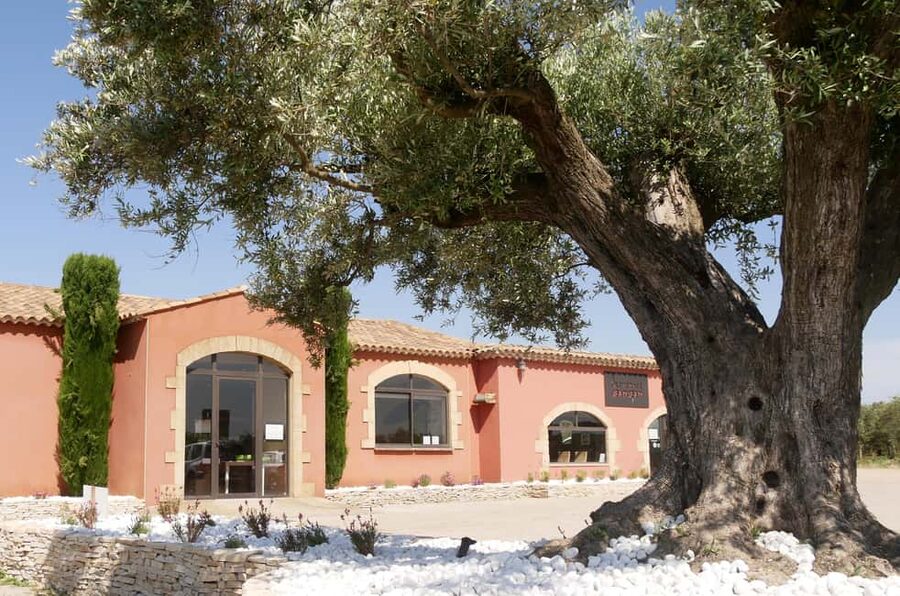
The meeting point is at Oliveraie JEANJEAN, also called Moulin des Costières. The listed start and end locations are at the same property, so this is a self-contained visit rather than a tour that requires a separate transfer between stops.
The property places the mill in an authentic working setting. You are not learning about olive oil in a city showroom. You are visiting a producer surrounded by the trees that supply its olives. That gives the film and the guide’s explanations a clear purpose.
The grove covers 30 hectares, a large enough area to make the scale of the work clear. Olive farming is not just a harvest-season task. The visit covers the changing seasons, including setting, ripening, harvesting, and pruning. You come away with a better sense of why the final taste depends on work done throughout the year.
The site is wheelchair accessible, which makes this a practical option for many visitors. Since the tour lasts 90 minutes, you do not need to set aside half a day. Check the available starting times when booking, as the schedule can vary.
The 25-minute guided tour and seasonal film
The guided portion lasts about 25 minutes. It begins with a narrated film that follows the olive grove through the year. This is a useful introduction because it puts the machinery and tasting into context.
You will see how the grove changes from season to season and hear about the work behind each stage. The film covers the setting of the fruit, ripening, harvesting, and pruning. Those details may sound basic, but they help you understand why olive oil production is tied to timing and careful cultivation.
Some film material may be shown in its original language. The live guide speaks English and French, so you can ask for clarification during the visit. If you are not comfortable with either language, you may miss some of the commentary, but the tour still includes visual demonstrations and a tasting that does not depend entirely on language.
The group limit of 10 is important here. In a large group, a short presentation can feel like a lecture. With fewer people, you have a better chance to stop and ask about a particular olive variety or production step. I would use this part of the visit to ask questions before the tasting, when the details are fresh in your mind.
Behind the machinery at Moulin des Costières
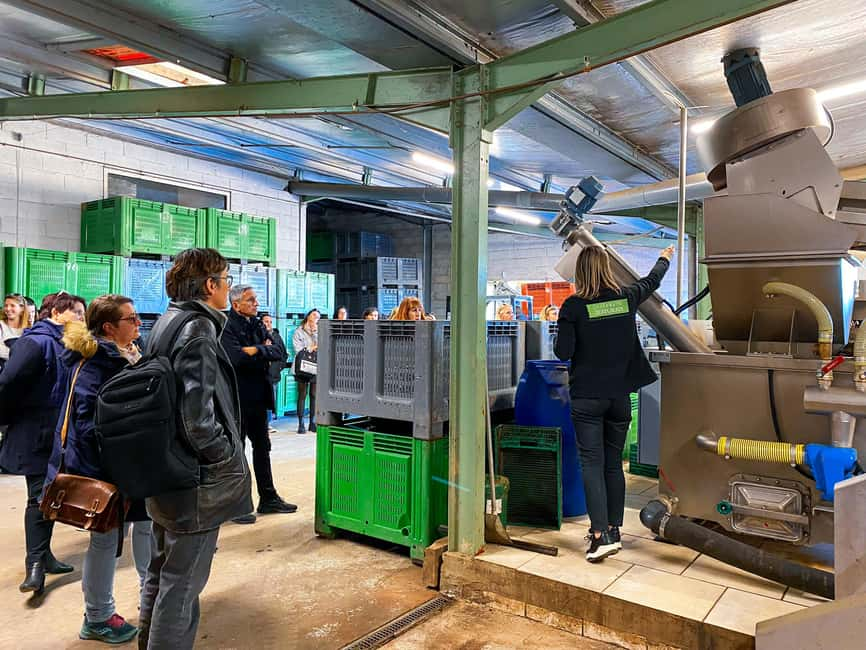
After the introductory material, you get a guided look behind the scenes at the oil mill. The machinery is the practical heart of the visit. You see where production happens rather than hearing only a general explanation of olive oil.
The tour focuses on how the harvested olives are processed. The exact operating conditions can vary by season, so you should not assume that every machine will be running during your visit. Still, exclusive access to the mill and production equipment gives you a clearer picture than a standard shop tasting.
This part also helps explain why olive oil is not a single, uniform product. The visit includes natural and aromatic oils, and the guide can connect what you taste with how the producer works. You may find the machinery more interesting if you enjoy food production, farming, or practical demonstrations. If you mainly want a scenic walk among trees, this will feel more limited.
There is some time to look around the grove as part of the property, but this is not designed as a long outdoor hike. One useful tip is to plan to spend extra time outside on your own after the formal tour if you want more of the grove. The main program remains focused on the mill, film, and tasting.
More Olive Grove Tours in the world:
- Ostuni: Masseria tour among thousand-year-old olive trees with oil tasting
★ 4.8 · 261 reviews - Balestrate: Olive Grove Tour with Wines & Olive Oil Tasting
★ 5.0 · 241 reviews - Traditional Olive Grove and Dragon Fruit Farm Tour
★ 4.8 · 118 reviews - Visit of the olive grove, olive oil tasting and snack
★ 4.9 · 111 reviews
Tasting natural, aromatic, and organic olive oils
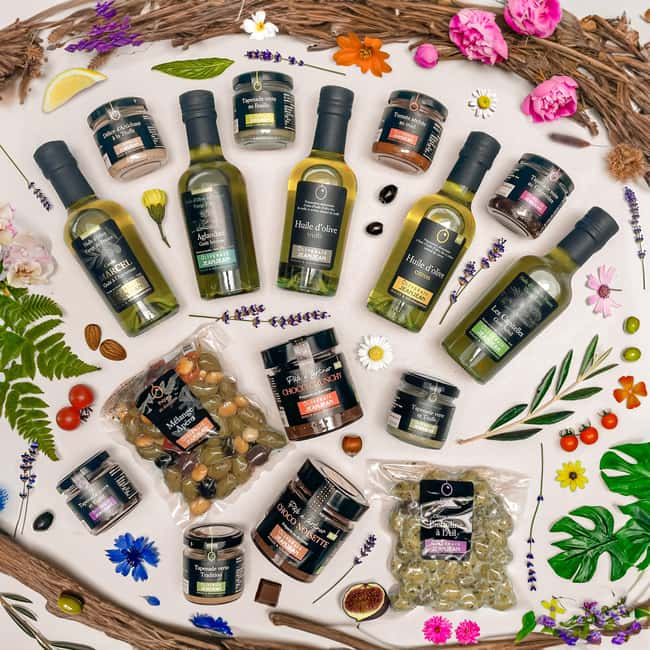
The tasting lasts about 20 minutes and includes virgin and organic olive oils, along with aromatic olive oils. This is where the earlier explanations become useful. You can compare the products instead of sampling one bottle without any context.
The tasting is not limited to oil. You also try artisanal tapenades and vegetable spreads. That broadens the experience from olive farming to the way local producers use olives and vegetables in everyday food.
Take your time here. Smell each oil first, then taste it on its own before trying the spreads. You do not need to be an expert. Notice which oils seem mild, peppery, fruity, or strongly herbal. The guide is available for questions, and the small group should make it easier to discuss what you are tasting without feeling rushed.
The food portion is a good reason to choose this visit over a simple shop stop. You learn enough about production to understand what you are sampling, then you can decide which flavors suit you. If you are bringing children, remember that the tasting is a major part of the program. Younger children may have limited interest in the educational explanation and may not enjoy every flavor.
Fifteen minutes for local products and souvenirs
The final shopping period lasts about 15 minutes, with access to a 300-square-meter area of local products. This is more than a small shelf beside a reception desk. You have room to browse the producer’s oils, tapenades, spreads, and related goods.
The short shopping period is enough for a focused purchase, but it may feel brief if you want to read every label or compare many bottles. If you already know you want to buy something, use the tasting to narrow down your choices. That saves time at the end.
The 5 percent purchase discount is a practical extra. It applies at checkout and slightly improves the value for anyone buying oil or food products. It is not a reason to book the tour by itself, but it can offset part of the cost if you planned to shop anyway.
Oil is also an easy souvenir compared with fragile pottery or bulky regional foods. Pack it carefully if you are flying. The tour does not promise shipping, so ask at the shop if you need a solution for transporting bottles.
How the timing works
The full experience lasts about 90 minutes. The core schedule breaks down roughly like this:
- About 25 minutes for the guided visit and seasonal film
- About 20 minutes for the food and oil tasting
- About 15 minutes for shopping
- About 15 minutes of walking connected with the visit
The listed sections do not add up to the full 90 minutes, so allow the entire time rather than planning another appointment immediately afterward. The extra time likely covers transitions, questions, and conversation with the guide.
The program begins and ends at Oliveraie JEANJEAN, Moulin des Costières. The meeting point can vary depending on the option booked, so check your confirmation rather than relying only on a map pin.
You can reserve without paying immediately, and cancellation is free up to 24 hours before the start for a full refund. Those terms are helpful if your plans around Saint Gilles are still moving. The tour is offered in English and French, with a small-group limit of 10.
Who will enjoy this most
I would recommend this experience to adults and older children who enjoy learning how food is produced. It suits anyone interested in organic farming, Provençal products, olive varieties, or small-scale food businesses.
It is also a good choice for a hot or unsettled day because the main content takes place at the mill and tasting area. The accessible site makes it easier for visitors who need wheelchair access, though you should still confirm any specific personal requirements before booking.
The experience is less suitable if you want a long countryside walk, a major historical attraction, or a hands-on harvesting activity. You will see the grove and learn about its care, but the visit is built around explanation, machinery, and tasting.
Families should think about age. The educational and tasting focus works best for children around 10 and older. Younger children may enjoy seeing the equipment, but the 25-minute presentation and product tasting could test their patience.
What makes the small group matter
A maximum of 10 participants changes the tone of the visit. You are less likely to be separated from the guide, and you have a realistic chance to ask follow-up questions. That matters in a food tour because the best information often comes after a basic explanation, when you ask why one oil tastes different from another.
The small group also helps non-French speakers. An English-speaking guide has led the experience, and one guide prepared carefully for a first English tour. You should not expect polished professional theater, but you can expect a personal effort and time for questions.
The family connection adds to the local character. By the end of one visit, the participants had met much of the family involved with the operation. That is not a guaranteed part of every tour, so I would treat it as a possible bonus rather than a promised feature. The reliable part is the guide-led tour, machinery access, and tasting.
Is $14 a good value?
Yes, if you have an interest in olive oil or local food. The fee covers a film, a guided explanation of cultivation and production, access to the mill, several oil samples, tapenade, vegetable spreads, and time to browse the shop. Comparable tasting-only stops can offer less context.
The price is especially reasonable for a small group. You are not paying for transport or a full meal, so this is not a complete day excursion. Think of it as a focused Saint Gilles activity that fits neatly into a wider day.
The value drops if you dislike tastings or want most of your time outdoors. In that case, you are paying for content you may not use. For everyone else, $14 is a modest fee for a clear look at a local producer’s work.
Should you book Oliveraie JEANJEAN?
Book it if you want to understand how organic olives become oil, taste several products, and meet a local producer in a small group. The combination of a 30-hectare grove, working machinery, seasonal film, and tasting gives the visit more substance than a quick shop visit.
Skip it if your priority is a long walk through the countryside or an activity designed mainly for young children. For older children, food-minded adults, and anyone looking for a short, practical stop near Saint Gilles, this is a strong choice. Plan around the full 90 minutes, ask questions, and use the tasting to choose your souvenirs rather than shopping blindly.
FAQ
How long does the olive mill visit last?
The experience lasts 90 minutes, or about 1.5 hours.
What does the $14 price include?
The price includes a guided tour of the oil mill, a narrated film about the olive grove throughout the year, access to the production machinery, and tastings of virgin, organic, and aromatic olive oils, tapenades, and vegetable spreads.
Where does the tour take place?
The visit takes place at Oliveraie JEANJEAN, Moulin des Costières, in the Saint Gilles area of southern France.
Is the tour offered in English?
Yes. Live guides are available in English and French. Some content may be shown in its original language.
How large is the group?
The experience is limited to 10 participants.
Is the site wheelchair accessible?
Yes, the activity is listed as wheelchair accessible.
Will I walk through the olive grove?
The property is located in a 30-hectare organic olive grove, and the visit includes some walking. The main program focuses on the mill, film, machinery, tasting, and shop rather than a long grove walk.
What products can I taste?
You can taste virgin and organic olive oils, aromatic olive oils, tapenades, and vegetable spreads.
Can I cancel for a refund?
Yes. You can cancel up to 24 hours in advance for a full refund. You can also reserve now and pay later.
More Organic Olive Farms in the world
- Ronda: LA Almazara LA Organic, Olive Oil Museum and Tasting
★ 4.6 · 435 reviews - Organic cooking class with a sommelier in an Olive and wine farm
★ 5.0 · 69 reviews - Balsamic Vinegar, Olive oil and Organic Winery Tour in Assisi with tasting
★ 5.0 · 66 reviews - Organic Olive Grove tour & Olive oil tasting & lunch in Kalamata!
★ 5.0 · 61 reviews
Freshly pressed around the world
- Private Tour in Historic Estate in Monemvasia with wine-olive oil tasting & meal★ 5.0 · 4 reviews
- Taste of Cyprus: Pasteli, Olive Oil, Wine & Mythology from Pafos★ 4.0 · 2 reviews
- Olive Facility Visit with Olive Oil Tasting Session★ 5.0 · 2 reviews
- SYSTASIS Olive Oil Tasting Experience in Ermioni Greece★ 5.0 · 4 reviews
- Olive Oil Tasting at the Mykonian Farm★ 4.5 · 3 reviews
- Olive Oil Tour close to Nafplio★ 4.5 · 3 reviews
- E-bike tour in Ostuni, the olive trees and the rock village★ 5.0 · 4 reviews
- Tuscan ExtraVirgin Olive Oil Tour★ 5.0 · 4 reviews
Olive Mill and Factory Tours, compared.
Crete: Quad Safari, Olive Mill with Tasting & Ghost Village
Read our review →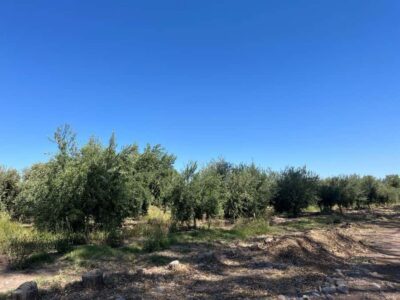
From Mendoza: 3 Wineries, Olive Oil Factory Tour & Tasting
Read our review →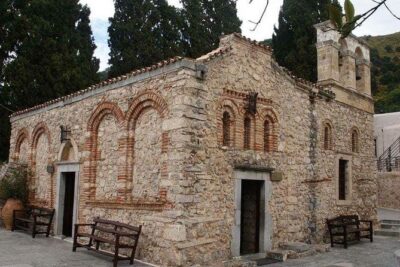
Knossos-Zeus Cave -Old Traditional Villages-Olive Oil Factory
Read our review →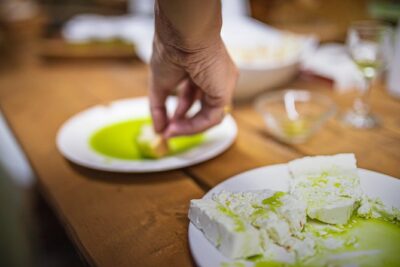
The Governor’s Olive Mill Tour with Olive Oil Tasting
Read our review →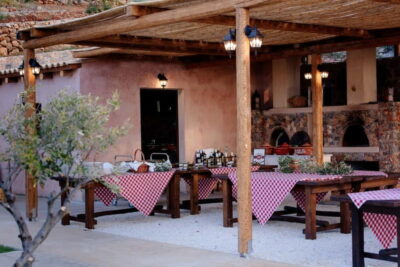
Crete: Road-trip to Lasithi, Zeus Cave & Olive Mill Farm
Read our review →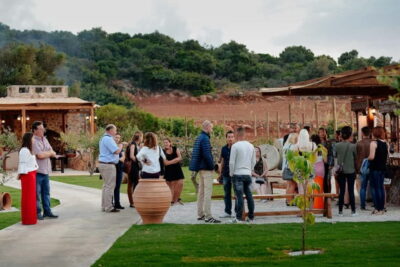
Lassithi, Zeus Cave, Olive Mill Farm & Knossos Combo Tour
Read our review →
Zeus Cave, Lassithi Plateau, Olive Oil Factory, Kritza, Pottery
Read our review →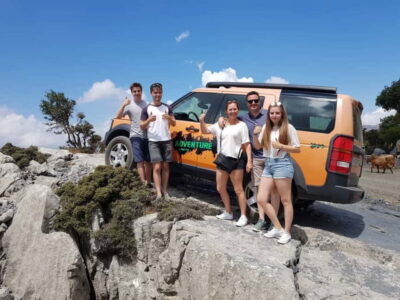
Crete: Zeus Cave, Lassithi Plateau, and Olive Factory Tour
Read our review →Other lists with this tasting on them