Review · PELOPONNESE
Chania Olive Tour: 3,000-Year-Old Tree, Museum &Organic Mill
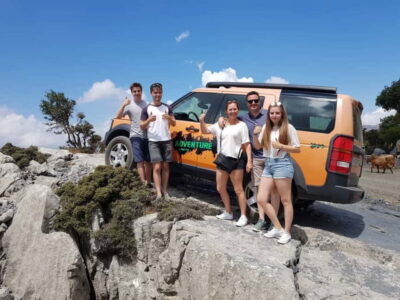
The oldest olive tree in Crete is not behind museum glass. It still grows in Ano Vouves, its huge, twisted trunk shaped by thousands of years of weather and pruning. This private tour pairs that living monument with an olive-oil museum and a working mill, giving you both the old methods and the modern business.
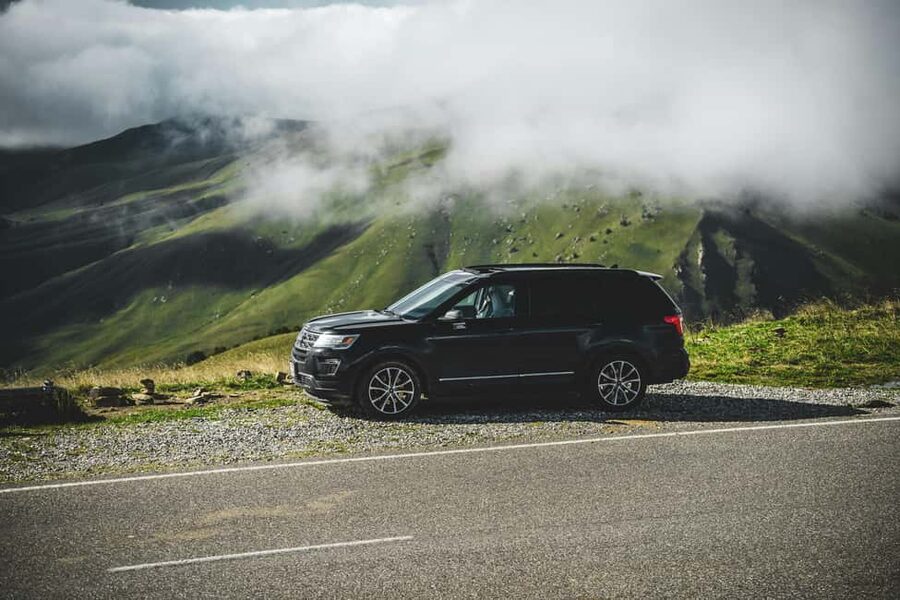
I like the private SUV transport, which saves you from sorting out country roads and makes pickup easy from Chania and nearby resorts. I also like the two-part olive-oil story: the museum explains where the craft began, while the mill shows how oil is made now.
The main consideration is the five to six-hour schedule. The tree visit is brief, and much of the day involves driving or standing during tours. This is not the best choice for anyone with back problems, and the stop is not suitable for wheelchair users.
Key points at a glance

- A 3,000-year-old olive tree: See the Ancient Olive Tree in Ano Vouves, an extraordinary living monument with a short, focused visit.
- Two views of olive-oil making: Compare ancient extraction methods at the Olive Museum with present-day production at the mill.
- Private travel from Chania: Ride in a modern SUV with pickup and drop-off available in Chania, Souda, Platanias, Agia Marina, and other nearby areas.
- A proper tasting included: Sample premium extra virgin olive oils after a guided mill visit.
- A flexible guide-led day: English, Greek, and Romanian are available, and Ramona is one named guide associated with the experience.
- Good value for a private outing: At $88 per person, the cost covers transport, museum admission, guiding, and the mill tasting, but not food or purchases.
Why Crete’s olive culture deserves a half-day
Olive oil is not just another product in Crete. It is part of the island’s food, farming, trade, and daily life. This tour works because it does not reduce that subject to a quick tasting table. You get a physical link to the distant past, a museum explanation, and a current production site.
I find that sequence useful. A museum by itself can feel abstract. A mill without context can become a tour of machinery. Here, the ancient tree gives you a memorable starting point, and the museum helps explain why olive cultivation became so important before you see the modern process.
The experience is private, so you are not placed in a large shared group. That matters during a tasting, when you may want to ask about flavor, production, or the difference between oils without competing with a crowd. The guide also controls the pace within the available schedule.
The tour costs $88 per person. That is not a bargain-basement excursion, but the price includes private round-trip transportation, a professional driver-guide, the Olive Museum entrance, the tree stop, and the guided mill tour with tasting. For a couple or small private group that wants transport handled from the Chania area, the package has a reasonable value.
You should still budget separately for lunch, café drinks, and any bottles or other products you buy. No meal is included, and the tasting is not the same as a full restaurant stop.
More Olive Mill and Factory Tours in Greece
- Crete: Quad Safari, Olive Mill with Tasting & Ghost Village
★ 4.9 · 1,004 reviews - Knossos-Zeus Cave -Old Traditional Villages-Olive Oil Factory
★ 5.0 · 694 reviews - The Governor’s Olive Mill Tour with Olive Oil Tasting
★ 5.0 · 502 reviews
Leaving Chania in a private SUV
Pickup is available from a broad set of locations, including Chania, Souda, Daratsos, Stalos, Platanias, Agia Marina, Kolymvari, Kalyves, Almyrida, Georgioupoli, and Paralia Kourna. The exact pickup time depends on availability, so check the starting options when you reserve.
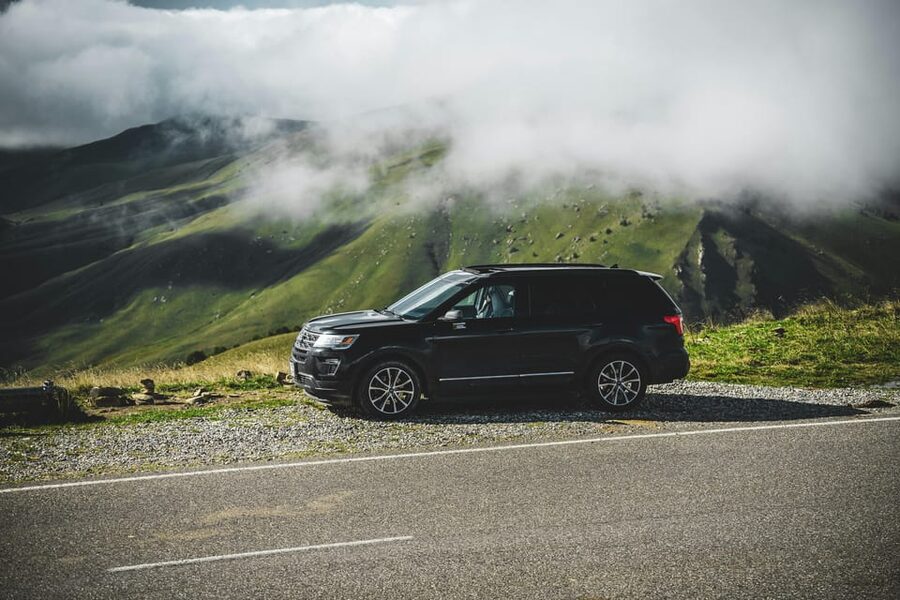
The first listed drive takes about 30 minutes. You ride in a modern SUV with a professional driver-guide, rather than arranging a taxi or trying to navigate unfamiliar roads yourself. That makes this a useful choice if you want a countryside visit without renting a car.
The private format also gives the day a more personal feel. Your guide can explain what you are seeing as you go, and you are not tied to the needs of a large bus group. Ramona is specifically named in the available feedback, with her flexibility and ability to shape the day receiving strong praise. The comments also describe the experience as a good fit for visitors who wanted a tour adapted to their interests.
Do not expect a luxury vehicle experience or a long scenic drive with scheduled photo stops. The transport is practical. Its value is getting you between several out-of-the-way locations while leaving the driving to someone else.
The Olive Museum: old tools and old methods
The first major stop is the Museum of the Olive and Greek Olive Oil, with about an hour for a guided visit and personal exploration. This is where you get the background needed to understand the rest of the day.
The museum focuses on olive cultivation and oil production in Greece. You can expect displays covering older equipment and methods, along with an explanation of how olives were turned into oil before modern mills took over. The stop gives you a way to see the craft as a process rather than simply hearing that Crete has many olive trees.
I like this part because it adds context to the tasting later. When you see the tools used to crush olives and separate oil, you have a clearer sense of what modern machines changed. The museum also helps explain why olive oil was valuable for food, household use, and local trade.
One hour is enough for a focused introduction, though it is not a full afternoon museum visit. If you enjoy technical displays and traditional tools, you may wish for more time. If you prefer active sightseeing to indoor exhibits, the museum could feel slower than the tree and mill.
The guided format should help keep the stop from becoming a room-by-room wander. Ask questions as they come up, especially if you want to compare traditional extraction with the methods you will see later.
Ano Vouves and its ancient tree
After the museum, you visit Ano Vouves for about 20 minutes. The attraction is the Ancient Olive Tree, described as one of the oldest in the world and believed to be more than 3,000 years old.
A short visit is appropriate here. You are seeing a single tree and its immediate setting, not taking a long walk through an archaeological site. The tree’s thick, hollow-looking trunk and unusual shape are the point. It feels more like a natural monument than a normal orchard tree.
The age claim deserves a little care. The tree is widely presented as being over 3,000 years old, but the precise age of ancient olive trees is difficult to establish because their original trunks can die back while the root system continues producing new growth. You can still appreciate the scale and survival of the tree without treating the number as a stopwatch reading.
Bring a camera, hat, sunscreen, and water. The visit is outdoors, and the provided guidance specifically recommends comfortable shoes. The stop is short, but uneven ground or standing in the sun can make it less comfortable for anyone with mobility or back concerns.
This is also the part of the day where expectations matter. You are not getting a lengthy guided walk through a broad olive estate. You are getting a close look at a remarkable old tree, followed by the next stage of the tour.
More Olive Oil Museums around Greece:
- Lefkada: Olive Museum Fabbrica Ticket and Guided Tour
★ 4.8 · 14 reviews - Monastery – Ancient Olive tree & Museum-Cretan Brewery Private Tour from Chania
★ 5.0 · 5 reviews - Bus Trip with Swim to Paleokastritsa and Olive Oil Museum
★ 5.0 · 3 reviews - Ronda: LA Almazara LA Organic, Olive Oil Museum and Tasting
★ 4.6 · 435 reviews
From ancient presses to a working olive mill
A transfer of about 25 minutes takes you to the olive mill. The tour details name this stop Violaia Olive Mill, while the included services refer to Biolea Olive Mill. Because both names appear in the supplied information, confirm the exact mill name and meeting details when booking.
The mill visit is scheduled for about two hours, making it the longest stop of the day. You receive a guided look at current production techniques, followed by free time and shopping. This is where the earlier museum visit becomes practical: you can see how the industry has moved from heavy traditional equipment to modern processing.
The mill is described as family-run, which points to a smaller-scale setting rather than a large industrial tour. That can make the visit easier to follow and more personal, though the exact demonstrations depend on the day and the production schedule.
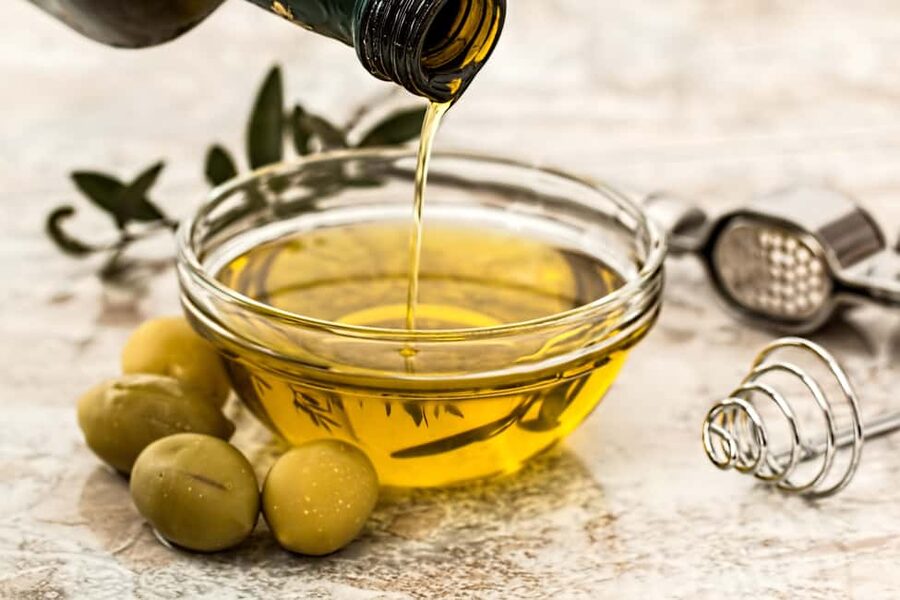
The tour includes an olive-oil tasting with premium extra virgin oils. This is more useful if you taste with attention rather than simply treating it as a snack. Notice the differences in aroma, bitterness, peppery finish, and texture. Your guide can help connect those sensations to the production process.
Shopping is optional. You are free to buy olive oil or other products, but those purchases are not included in the price. Do not feel that buying a bottle is required for the experience to feel complete. The tasting and guided visit are part of the tour; shopping is an extra choice.
The two-hour allocation gives you time to ask questions and browse without rushing. It also means the mill may be the part of the day you remember most clearly if you enjoy food-focused experiences. On the other hand, anyone who dislikes product tastings or planned shopping time should know that this is a substantial portion of the schedule.
What the timing feels like
The advertised duration is five to six hours. The listed plan includes roughly 30 minutes of driving at the start, one hour at the museum, 20 minutes at the tree, a 25-minute transfer, two hours at the mill, and another 30-minute drive at the end. That adds up to nearly five hours before accounting for pickup variations and road conditions.
You should expect a half-day outing, not a quick morning activity. Pickup and drop-off locations cover a wide area around Chania, so the total time can shift depending on where you are staying.
The schedule is well balanced for a private tour. The tree stop is brief because its appeal is concentrated. The museum gives you background, and the mill receives the most time because it includes both the guided visit and tasting.
Bring water and sun protection. Wear shoes that you can comfortably stand and walk in. Smoking is not allowed during the activity.
Who will get the most from this tour
I would choose this experience if you want to understand one important part of Cretan food culture without spending a full day on a large organized excursion. It suits couples, families with older children, and small private groups interested in food, agriculture, history, or photography.
It is especially useful if you are staying in Chania but do not want to rent a car. The pickup network reaches many resorts east and west of the city, and the SUV handles the transport between stops.
Food lovers should get the most from the mill tasting. The museum and ancient tree also give the day enough variety that it is not only about buying olive oil.
This is a poor fit if you need step-free access or have back problems. The activity is not suitable for wheelchair users, and the combination of vehicle travel, outdoor walking, and standing tours may be uncomfortable. You also should not book it expecting a meal, a long hike, or a beach stop.
The guide languages are English, Greek, and Romanian. If your group needs one of these languages, the tour is a practical option. Ramona is the named guide connected with the strongest personal comments, and the feedback highlights her flexibility and warm handling of the day.
Is the $88 price fair?
For a private tour, I think the price is defensible. You are paying for a vehicle, driver-guide, pickup and drop-off, entrance to the museum, access to the ancient tree, a guided mill visit, and an oil tasting. Splitting that cost among two or more people makes the private format more attractive.
The value is less clear for a solo visitor, since the private arrangement does not spread across a group. You also need to pay for any food, café drinks, and products you choose to take home.
The key question is how much you value convenience. If you already have a rental car and plan to visit the same sites independently, the tour may not save money. You would also lose the guide’s explanations and the organized tasting. If you want a relaxed route with the practical details handled, $88 buys a useful amount of structure.
Free cancellation up to 24 hours before departure and the option to reserve now and pay later add flexibility. Starting times depend on availability, so confirm the time that works with your other Chania plans.
Should you book this Chania olive tour?
Book it if you want a private, food-centered outing that connects an ancient tree, a museum, and a working mill. The strongest reasons are the easy SUV transport, the private format, and the chance to taste oil after seeing how it is produced.
Think twice if your priority is a long archaeological visit, a full meal, or a low-cost group excursion. The tree visit lasts only about 20 minutes, and the mill takes up two hours of the day.
For most visitors who want a manageable introduction to Cretan olive culture, this is a well-shaped half-day. Confirm the mill name before booking, bring sun protection and water, and leave room in your bag for a bottle if the tasting gives you a new favorite.
FAQ
How long does the olive tour last?
The experience lasts about five to six hours, including transportation between Chania-area pickup points and the countryside stops.
What is included in the price?
The price includes private round-trip transportation in a modern SUV, the visit to the Ancient Olive Tree in Ano Vouves, Olive Museum admission, a guided olive mill tour, an olive oil tasting, and a professional driver-guide.
Is the tour private?
Yes. The activity is offered as a private group experience.
Where can pickup and drop-off take place?
Pickup and drop-off options include Chania, Souda, Daratsos, Stalos, Platanias, Agia Marina, Kolymvari, Kalyves, Almyrida, Georgioupoli, and Paralia Kourna.
Which languages are available?
The live guide languages are English, Greek, and Romanian.
How old is the olive tree in Ano Vouves?
The Ancient Olive Tree is believed to be more than 3,000 years old and is presented as one of the oldest olive trees in the world.
Is food included?
No. Meals and drinks at cafés or restaurants are not included.
Can I buy olive oil during the tour?
Yes. Shopping is available at the mill, but olive oil and other products are personal purchases and cost extra.
Is the tour suitable for wheelchair users or people with back problems?
No. The activity is not suitable for wheelchair users or people with back problems.
More Organic Olive Farms in Greece
- Organic Olive Grove tour & Olive oil tasting & lunch in Kalamata!
★ 5.0 · 61 reviews - Kalamata, Greece: Organic Olive Grove Tour-Olive oil tasting
★ 5.0 · 10 reviews - Corfu: Organic Olive Oil Farm Tour with Transfer and Tasting
★ 5.0 · 8 reviews - Corfu Organic Olive Oil Tasting at Family Farm
★ 5.0 · 5 reviews
Freshly pressed around Greece
- Private Tour in Historic Estate in Monemvasia with wine-olive oil tasting & meal★ 5.0 · 4 reviews
- Olive Facility Visit with Olive Oil Tasting Session★ 5.0 · 2 reviews
- SYSTASIS Olive Oil Tasting Experience in Ermioni Greece★ 5.0 · 4 reviews
- Olive Oil Tasting at the Mykonian Farm★ 4.5 · 3 reviews
- Olive Oil Tour close to Nafplio★ 4.5 · 3 reviews
- Olympia Shore Ex: Premium Private Package -Tickets & Olive Market★ 4.5 · 5 reviews
- WIne & Olive Oil Tasting in an Organic Farm in Laconia, Greece!★ 5.0 · 2 reviews
- E-Bike Kalamata Olive Routes★ 5.0 · 10 reviews
Olive Mill and Factory Tours, compared.
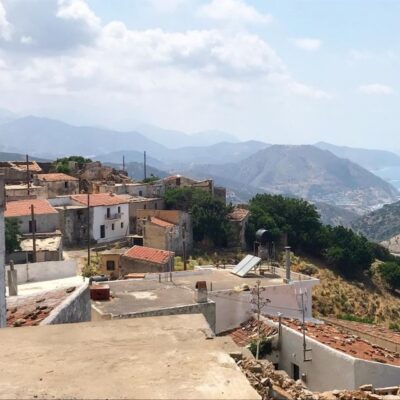
Crete: Quad Safari, Olive Mill with Tasting & Ghost Village
Read our review →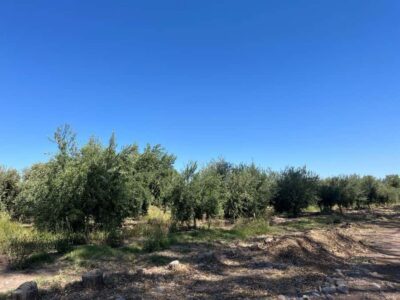
From Mendoza: 3 Wineries, Olive Oil Factory Tour & Tasting
Read our review →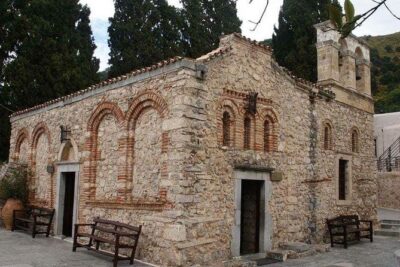
Knossos-Zeus Cave -Old Traditional Villages-Olive Oil Factory
Read our review →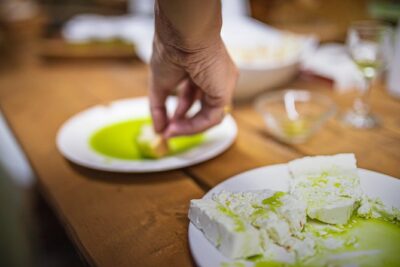
The Governor’s Olive Mill Tour with Olive Oil Tasting
Read our review →
Crete: Road-trip to Lasithi, Zeus Cave & Olive Mill Farm
Read our review →
Lassithi, Zeus Cave, Olive Mill Farm & Knossos Combo Tour
Read our review →
Zeus Cave, Lassithi Plateau, Olive Oil Factory, Kritza, Pottery
Read our review →