
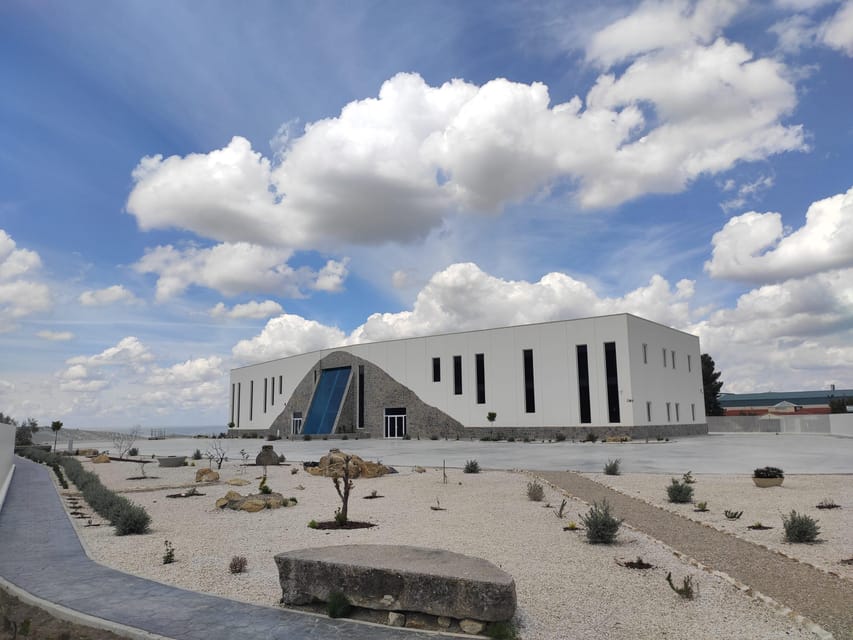
Review · JAEN
Cazorla: Oleotour – Olive Oil Culture Initiation
Cazorla’s olive oil tour turns a familiar kitchen staple into a full local story. You’ll see how olives move from grove to mill, compare old and modern production, and use your senses to spot the qualities of Extra Virgin Olive Oil.
I like the contrast between the 18th-century oil mill and the modern facility. I also like the practical tasting, since it gives you a way to judge oil beyond a fancy label. Guide Laura receives especially strong praise for clear, friendly explanations.
The main limitation is language: the tour is offered in Spanish. At two hours and $23 per person, it is a good-value choice, but visitors hoping for a broad Cazorla sightseeing tour should know that the focus stays firmly on olive oil.
Key points before you book
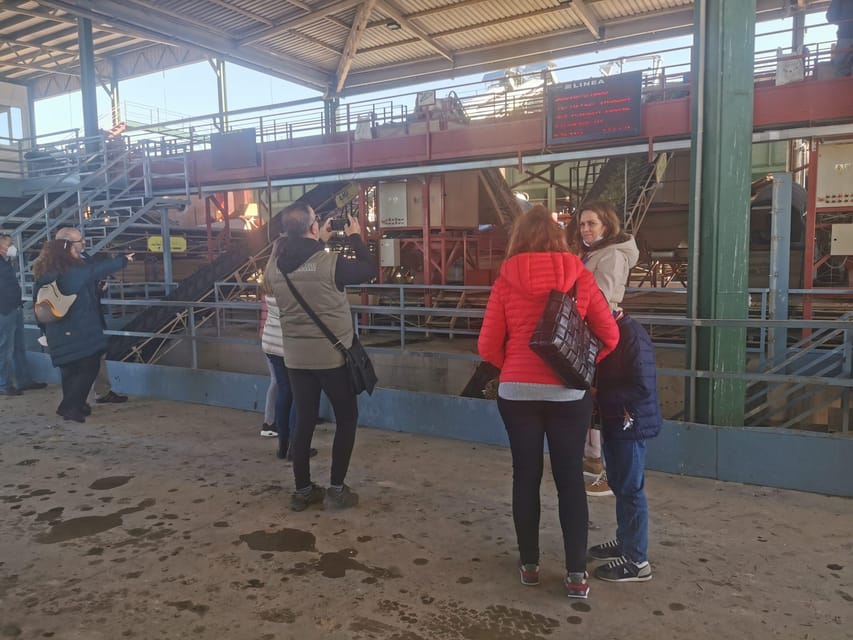
- An old mill beside modern production: See how pressing methods changed over time.
- A real sensory lesson: Taste Extra Virgin Olive Oil and learn what to notice in flavor and aroma.
- The Sierra de Cazorla designation: Visit the council that protects the name and standards of local oil.
- More than an indoor museum: Walk among olive trees, visit a botanical garden, and see harvest recreations.
- Laura may lead your tour: She is praised for clear communication and strong command of the subject.
- Spanish is the tour language: A useful point to settle before booking.
Why olive oil makes a good Cazorla tour
Andalusia is closely tied to olive growing, and Cazorla gives you a chance to look at that culture from the inside. Instead of simply buying a bottle in a shop, you can follow the product from tree to mill and then test it yourself.
That matters because Extra Virgin Olive Oil is not just one uniform product. Its flavor depends on the fruit, the production method, and how the finished oil is handled. The tasting helps you connect those ideas with your own senses.
I like tours that explain an everyday item through local work. Olive oil can seem ordinary until you learn how much care goes into harvesting, pressing, checking, and protecting its regional identity. This visit gives that process a clear shape without taking up an entire day.
The $23 price is sensible for a two-hour guided activity with several different stops, a museum, production information, a tasting, outdoor elements, and audiovisual material. It is especially good value if you already enjoy food tours or plan to take home olive oil from Andalusia.
More Olive Oil Tours around Spain:
- Ronda: LA Almazara LA Organic, Olive Oil Museum and Tasting
★ 4.6 · 435 reviews - Guided tour and olive oil tasting in Alhaurin el Grande (Málaga)
★ 5.0 · 200 reviews - Guided Tasting Tour in 16th century House and Olive Oil Factory
★ 5.0 · 169 reviews
Starting with the Sierra de Cazorla designation
One of the first useful stops is the Regulatory Council of the Sierra de Cazorla Denomination of Origin. This is not just a formal office with an official title. It helps explain how a regional name is protected and what that name means for the oil you buy.
You’ll get a better sense of the connection between place and product. A bottle carrying the Sierra de Cazorla designation is tied to a defined local tradition and set of standards, rather than being presented as generic olive oil from somewhere in Spain.
This part is useful for shoppers. Labels can be confusing, especially when bottles use words such as virgin, extra virgin, local, or traditional. The tour gives you context before the tasting, so you can pay closer attention to what you are sampling.
The information is delivered in Spanish, so you will get the most from it if you understand spoken Spanish. If your Spanish is limited, the visual displays, machinery, gardens, and tasting still offer something, but the explanations are a central part of the visit.
The 18th-century oil mill and the old way of pressing
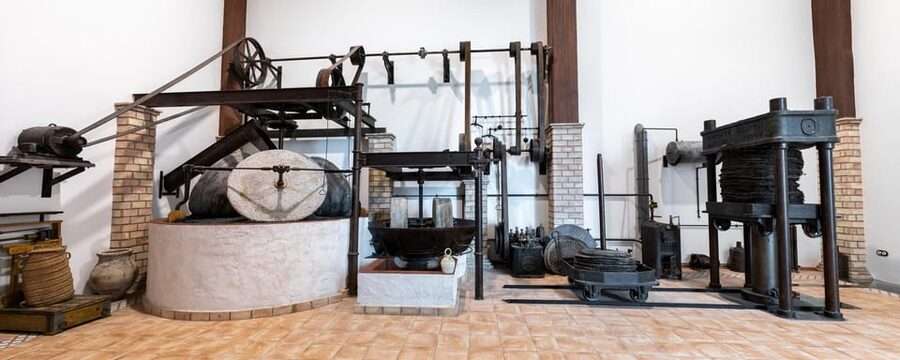
The 18th-century Oil Mill Museum offers the clearest look at earlier production. You’ll see how olive oil was made before today’s equipment changed the pace and control of the work.
This older setting gives the tour a strong sense of scale. Traditional production was physical, slow, and closely tied to seasonal labor. The recreated elements help you picture the work rather than treating olive oil as an abstract agricultural product.
I find this kind of stop more valuable than a display of old tools on its own. The museum gives you a point of comparison for the modern mill later in the tour. You can watch for the changes in machinery, efficiency, and the way the fruit is handled.
Do not expect a vast museum complex. The visit is one part of a compact two-hour program, so the old mill functions as a focused introduction rather than a full-day historical attraction.
Seeing the modern oil mill
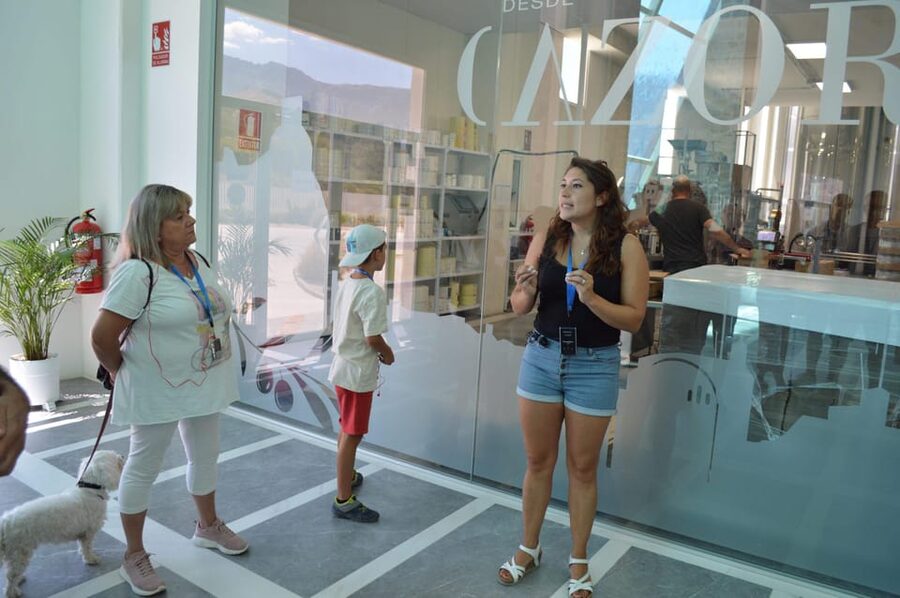
The modern oil mill shows how the same basic goal is handled with current equipment. You’ll learn about the process of turning harvested olives into oil and see the production side of the story after viewing the older methods.
This contrast is one of the best reasons to choose this activity. The old mill explains tradition. The modern mill helps you understand how producers work to make a consistent product and preserve the qualities that define Extra Virgin Olive Oil.
The tour information does not give a detailed list of every machine or stage, so you should not expect a technical factory course. You will, however, get a practical overview of production and a better understanding of why the mill is such an important part of olive culture.
For food-minded visitors, this is the point where the tour becomes more than a regional history lesson. You begin to see the link between the fruit on the tree, the timing of harvest, the mill, and the oil in your tasting glass.
Same olive country, a different way to taste it:
- Visit of the olive grove, olive oil tasting and snack
★ 4.9 · 111 reviews - Visit Oil Mill Museum and Olive Oil Tasting in Ronda
★ 4.5 · 105 reviews - Private Tasting of Olive Oil in Córdoba
★ 5.0 · 93 reviews - Olive Oil tasting breakfast & Tour in Cordoba
★ 4.5 · 84 reviews
Using your senses at the olive oil tasting
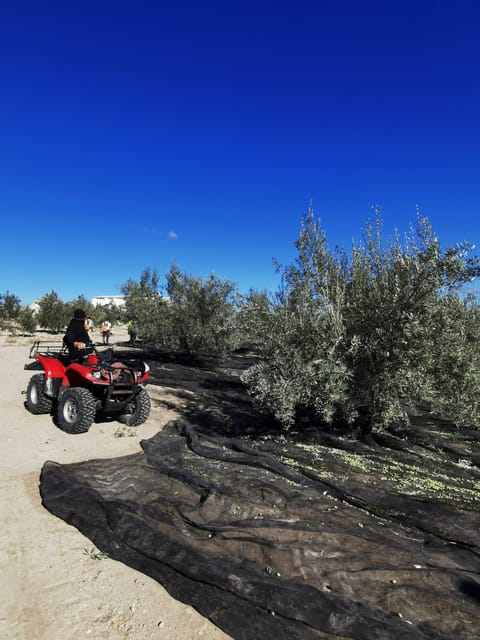
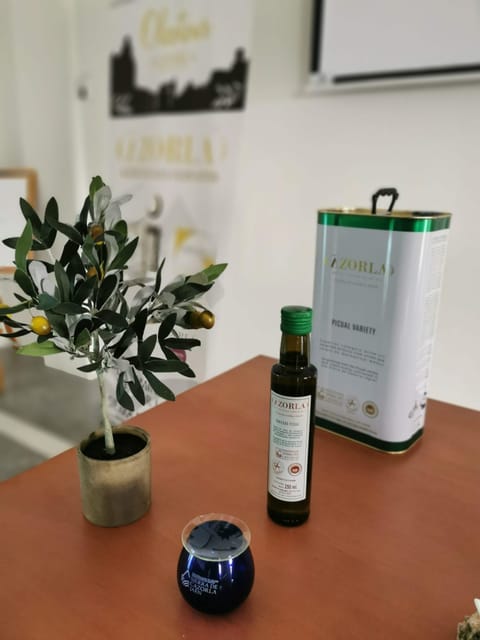
The tasting is the most hands-on part of the tour. You’ll sample Extra Virgin Olive Oil and learn to pay attention to its smell, taste, and overall character.
A good tasting asks you to slow down. Instead of swallowing oil as part of a meal, you consider what you notice. The purpose is not to turn you into a professional taster in one sitting. It is to help you recognize the qualities of a good oil and make more informed choices later.
This is also where the tour works well for beginners. You do not need previous knowledge of olive varieties or milling. The activity is designed as an introduction, and the explanations give you a starting point for comparing oils.
The tasting is described as engaging all five senses, though the most obvious work happens through aroma and flavor. Take the sensory portion seriously, even if you normally use olive oil only for cooking. It is the part most likely to change how you choose a bottle afterward.
The supplied information does not specify how many oils you taste or whether food is served with them. I would treat this as an oil-focused tasting, not a full meal or a broad Spanish food sampling.
Walking among olive trees and harvest displays
The outdoor portion adds welcome variety to the indoor stops. You’ll follow a path between olive trees and see a recreation of olive grove harvesting.
That walk connects the finished product with the plant itself. It is easy to forget that olive oil begins with fruit growing on trees, often across large working groves. Here, you get a simple visual reminder of the agricultural side of the business.
The harvest recreation is useful because it shows the human work behind the seasonal process. You can better picture how olives are gathered before being sent for milling. The tour does not promise participation in a live harvest, so think of this as an educational display rather than farm labor.
An olive-themed monument called EVOO Can Guitar is another unusual stop. It adds a playful, visual detail to a subject that could otherwise feel quite technical. It may appeal most to visitors who enjoy taking photos or collecting odd local landmarks along the way.
The botanical garden and native plant life
The botanical garden contains more than 60 native species. This broadens the visit beyond olive oil and gives you a look at the plant life connected with the area.
The garden can be especially useful if you are traveling with someone who is less interested in machinery or food production. It offers a slower outdoor section and puts the olive tree within a wider setting of local plants.
The number of species is substantial for a stop within a short tour, but you should not expect a major botanical institution. The garden is one element in a program that also includes a museum, production areas, displays, and tasting.
I like this mix because it prevents the tour from becoming a series of rooms and explanations. You get a change of pace, a little fresh air, and a chance to look closely at the natural side of the region.
Audiovisual material and watercolor recreations
The tour also uses an audiovisual projection and a watercolor recreation. These tools can help fill in parts of the story that cannot be shown directly during a normal visit.
The audiovisual presentation is useful for explaining the production cycle or showing activity that changes with the season. If you visit outside harvest time, this may help you picture work that is not happening on the day of your tour.
The watercolor display adds an artistic way to present olive culture. It is not a substitute for seeing the mill or trees, but it gives the experience a human and local touch.
Because the tour covers many subjects in two hours, these visual aids help keep the pace moving. You are not relying on spoken explanation alone, which is useful even for Spanish speakers who learn more easily through images.
What Laura adds to the visit
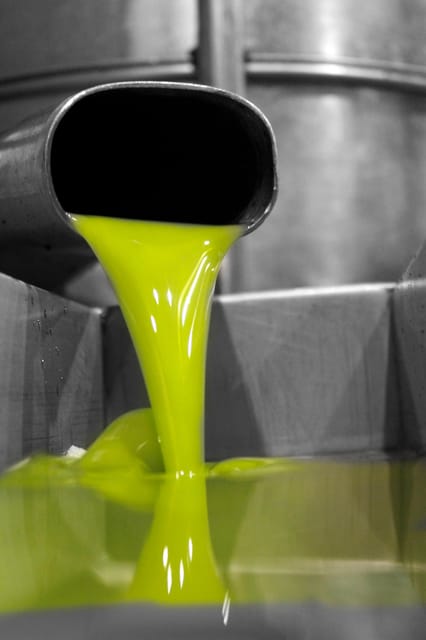
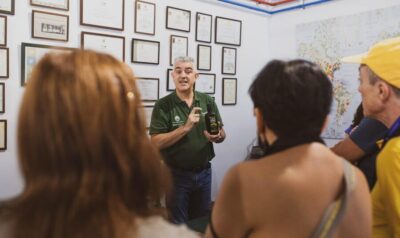
Laura is the guide specifically praised for her communication and command of the subject. Her role matters here because olive oil production has plenty of terms and steps that could become dry or confusing.
A clear guide can explain the difference between old and modern methods, put the designation of origin into plain language, and tell you what to notice during the tasting. Laura is described as especially effective at helping people learn about olive oil culture.
The tour is offered in Spanish, and Laura’s communication style may make a difference if you are comfortable in the language. If you do not speak Spanish, check the language situation carefully before reserving. There is no indication that an English-language guide or translation is included.
The small review total means you should not treat the perfect rating as a guarantee of every detail. Still, the specific praise for Laura is more useful than a bare score because it points to the quality that matters most on this kind of visit: clear explanations.
Who will get the most from two hours here
I would recommend Oleotour Cazorla to food lovers, curious first-time visitors, and anyone who wants a local activity with a clear regional connection. It is also a good fit if you are already planning to buy olive oil in Andalusia and want to know what you are looking at.
Families and mixed-interest groups may appreciate the variety. The museum suits history fans, the modern mill suits people interested in production, the tasting suits food lovers, and the garden and outdoor path break up the indoor portions.
It is less suitable if you want a broad tour of Cazorla’s monuments, scenery, or village streets. This is a specialized activity. The entire program revolves around olives, oil, production, and local plant life.
The two-hour length is another strength. You get a substantial introduction without giving up most of your day. At $23 per person, the cost is modest compared with many guided food activities, especially since the program includes several distinct elements rather than only a tasting.
Booking details that matter
The tour lasts two hours, but starting times depend on availability. Check the schedule before you build the rest of your day around it.
The guide language is Spanish. This is the most important practical consideration for many international visitors, since explanation is a large part of the value.
You can cancel up to 24 hours in advance for a full refund. The reserve-now-and-pay-later option also gives you some flexibility while arranging an Andalusia itinerary.
The available information does not give a group size, transport arrangement, or accessibility details. Ask the provider directly if any of those points affect your plans.
Should you book Oleotour Cazorla?
Book it if you want to understand Andalusian olive oil rather than simply taste it. The old mill, modern production area, sensory work, olive grove path, garden, and Regulatory Council visit create a well-rounded two-hour introduction.
I would give it extra weight if you speak Spanish or are comfortable following a Spanish-language tour. Laura’s clear communication is one of the strongest reasons to expect a good educational visit.
Skip it if your priority is architecture, hiking, or a general tour of Cazorla. But if olive oil is part of your Andalusian plans, $23 buys useful context, a real tasting lesson, and a closer look at the work behind one of Spain’s essential foods.
FAQ
How long does the Oleotour Cazorla experience last?
The tour lasts two hours.
How much does the tour cost?
The listed price is $23 per person.
What language is the tour offered in?
The live tour guide speaks Spanish, and Spanish is the listed tour language.
Does the tour include an olive oil tasting?
Yes. The activity includes tasting Extra Virgin Olive Oil and sensory instruction to help you recognize quality.
What places are included in the visit?
The program includes the Sierra de Cazorla Regulatory Council, an 18th-century Oil Mill Museum, a modern oil mill, a botanical garden, olive trees and harvest recreations, the EVOO Can Guitar Monument, watercolor material, and an audiovisual projection.
Can I cancel the booking?
Yes. You can cancel up to 24 hours in advance for a full refund. You can also reserve now and pay later.
Freshly pressed around Spain
- Paella, Olive Oil, Wine & Relax in Rural Estate outside Madrid★ 5.0 · 2 reviews
- Olive Oil Tour and Tasting in Málaga★ 5.0 · 2 reviews
- Discover the varieties of wines, olive oil and food on Mallorca★ 5.0 · 8 reviews
- Olive Oil Excursion to an olive mill in the Lecrín Valley★ 3.5 · 3 reviews
- Authentic Olive Oil Tasting in Cordoba, Spain★ 4.0 · 2 reviews
- Cordoba Olive Oil mill, Wine, Passion★ 4.5 · 8 reviews
- Full day in Cordoba between Vineyards and Olive Trees with a Convertible Car★ 5.0 · 2 reviews
- Visit olive grove centenary with oil tasting course★ 5.0 · 11 reviews
Jaen Olive Oil Tours, compared.
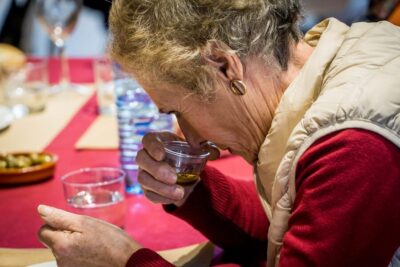
Jaén: Guided Olive Mill Tour with Olive Oil Tasting
Read our review →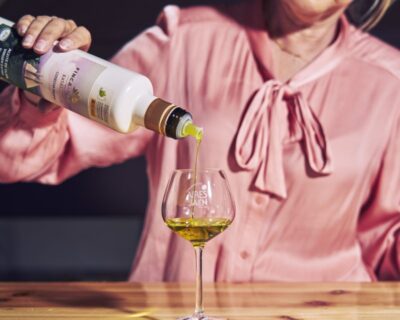
Jaen: Olive oil tour with the 5 senses, grove and tasing
Read our review →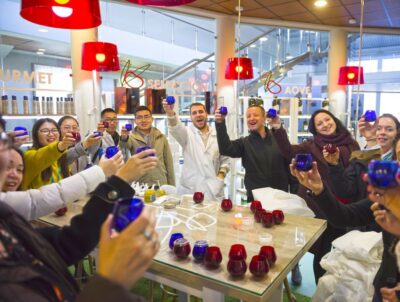
Jaén Discover the Secrets of Olive Oil: Tour & Tasting
Read our review →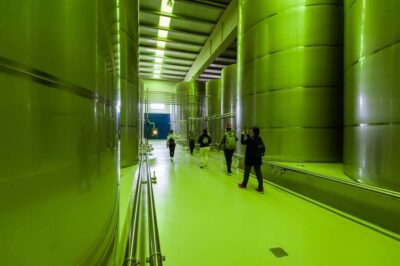
Jaén: Unforgettable visit to the olive mill + EVOO tasting
Read our review →
Aires de Jaén: Olive Oil Plantation Tour and Local Meal
Read our review →
Other lists with this tasting on them