
Review · JAEN
Jaén Discover the Secrets of Olive Oil: Tour & Tasting
Jaén produces an extraordinary share of the world’s olive oil, and this tour shows you what that means beyond the familiar green bottle in your kitchen. You walk among the trees, see the machinery used to turn fruit into oil, and taste the result at the source. I like the clear connection between grove, mill, and tasting table.
I also like that the tour explains how to judge oil, not just how it is made. You learn about quality grades, cooking uses, market prices, sustainability, and tasting technique. The main consideration is timing: the tour lasts only 90 minutes, and outside harvest season you may see the equipment without seeing the harvest in action.
Key points at a glance
- A real Jaén olive oil lesson: Learn why this province is central to Spanish olive production and how oil fits into Mediterranean food culture.
- Grove-to-bottle route: Walk near the olive trees, follow the harvest process, and watch the modern mill machinery.
- Three-oil tasting: The planned tasting covers three extra virgin oils and shows how aroma and flavor can differ.
- Useful buying advice: The guide explains quality categories, everyday uses, and why oils carry different prices.
- Convenient English and Spanish departures: English tours begin at 10:30, while Spanish tours begin at 12:30.
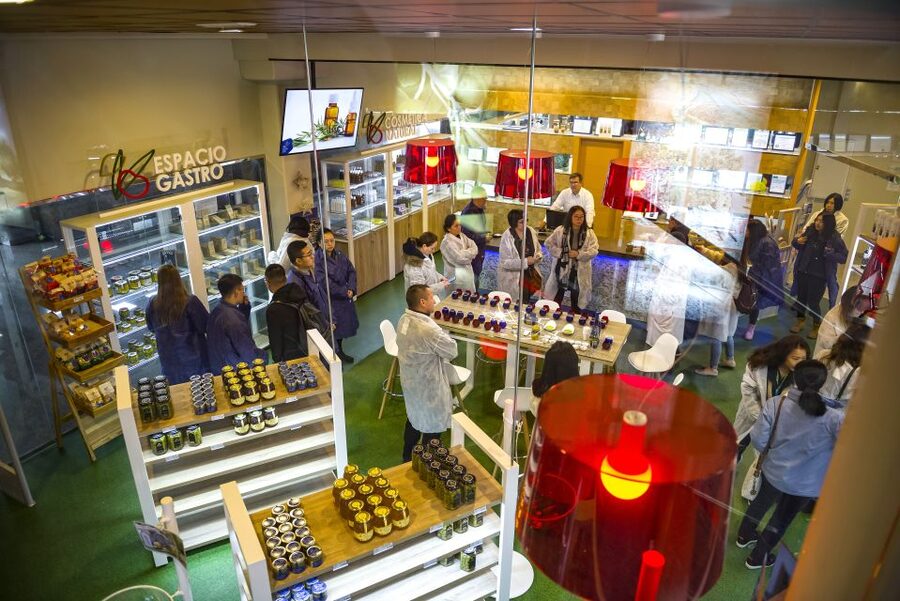
- More than a mill visit: Picualia has a shop and an on-site restaurant, described by the operator as the only olive mill in the world with a restaurant.
Why Jaén is the right place to learn about olive oil
Jaén is not a decorative backdrop for an olive oil talk. Olive production is one of the defining industries of this part of Andalusia, and the surrounding groves make the subject easy to understand. The tour says the region produces half of the world’s olive oil, a claim that gives you a sense of the scale of local production.
That scale matters because olive oil is not one uniform product. A supermarket shelf may place several bottles side by side, but the differences in grade, handling, flavor, and price can be hard to read from a label alone. Here, the guide explains those differences in practical terms.
You also get cultural context. Olive oil is central to the Mediterranean diet, and the tour connects production with Spanish food, farming, business, and environmental care. It also explains the UNESCO recognition attached to olive oil culture, giving the tasting a wider meaning than simply trying a few condiments.
I find this kind of introduction useful early in an Andalusian trip. Once you know what the labels and grades mean, you can make better choices at markets, tapas bars, restaurants, and food shops.
More Olive Oil Tours around Spain:
- Ronda: LA Almazara LA Organic, Olive Oil Museum and Tasting
★ 4.6 · 435 reviews - Guided tour and olive oil tasting in Alhaurin el Grande (Málaga)
★ 5.0 · 200 reviews - Guided Tasting Tour in 16th century House and Olive Oil Factory
★ 5.0 · 169 reviews
Starting among the olive trees

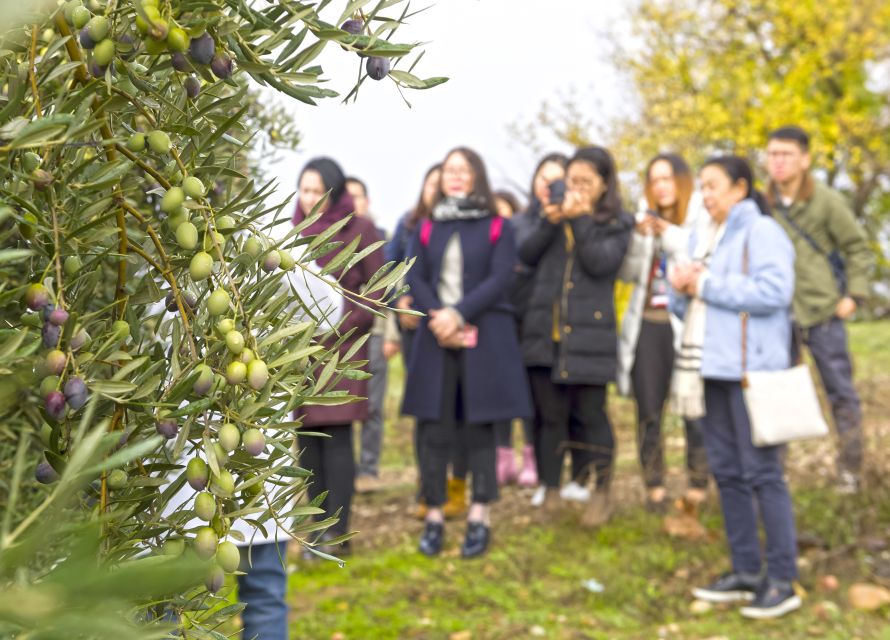
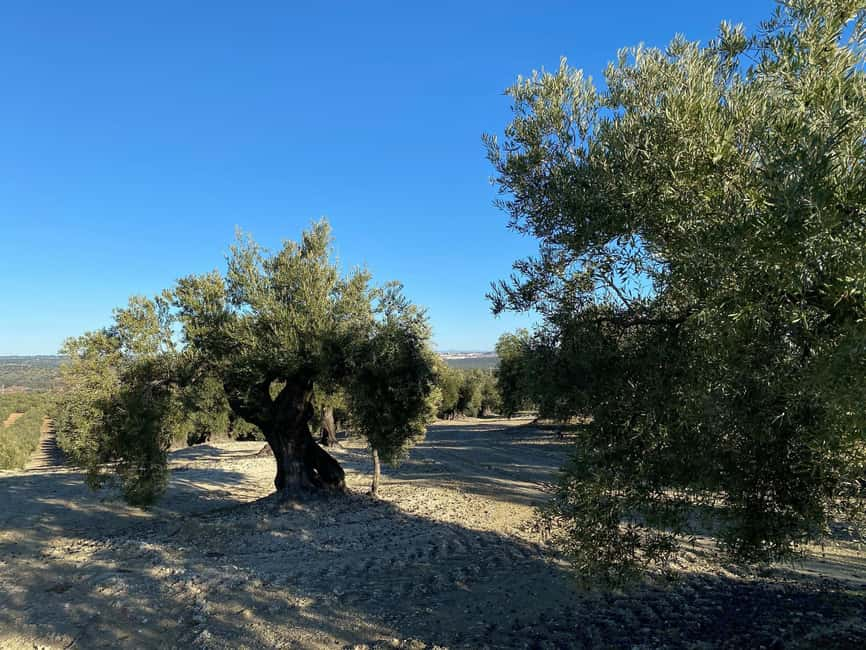
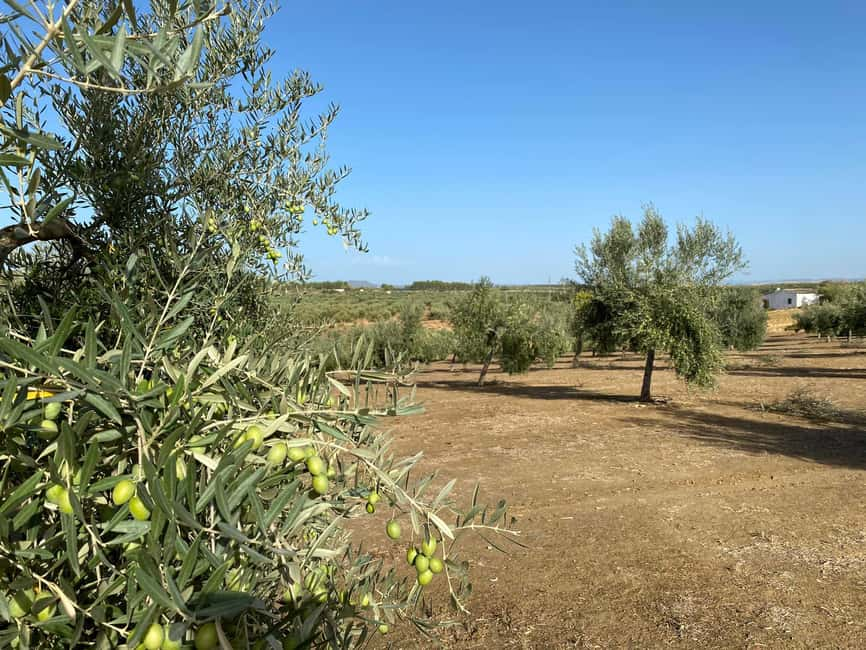
The visit begins with the olive grove around the mill. This is where you see the source of the product before the industrial work begins. The trees soak up the Spanish sun, and the setting helps you understand that olive oil starts as an agricultural product, not as something created inside a polished bottle.
The grove portion also covers the harvest. Your guide explains when and how olives are collected, then describes the route they take before becoming extra virgin olive oil. That process matters because timing and handling affect the final quality.
Do not expect a long countryside walk. The experience lasts 90 minutes, and the focus is the full production chain. One useful caution comes from the seasonal nature of the work: outside harvest season, you may see the areas and equipment but not an active harvest. If watching workers pick olives is your main goal, ask about the current season before booking.
The amount of access to the trees may also vary. The experience includes a walk through or around the grove, but it is not presented as an extended agricultural visit. If you want a close, leisurely look at individual trees, allow for the possibility that the grove portion is brief.
Following the olives into the modern mill
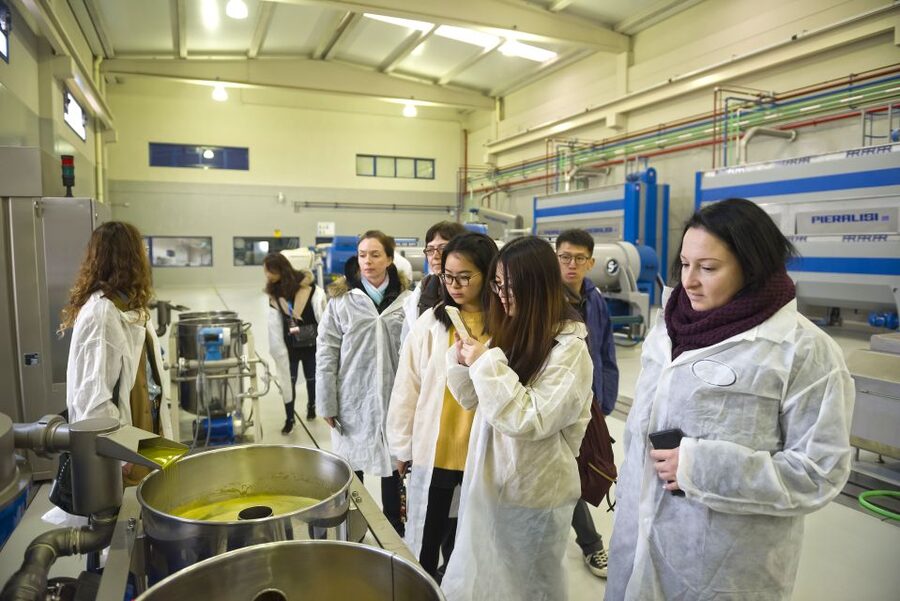
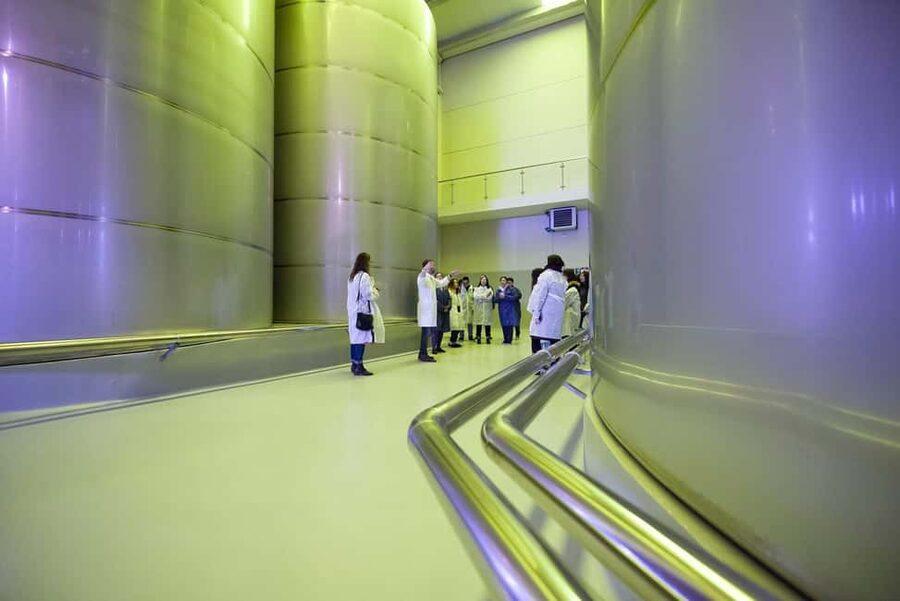
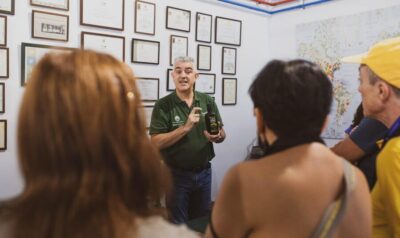
After the grove, the tour moves into the oil mill. This is the most useful stop for anyone who has wondered what happens between harvest and bottle. You see the machinery involved in processing the olives and hear the guide explain the stages on the path to extra virgin oil.
The mill is modern, and that makes the visit more practical than a purely historic presentation. You are not just looking at old farming tools. You are seeing the equipment used in current production and learning how the process separates oil by quality.
The machinery may not be thrilling in the amusement-park sense, but it answers real questions. How quickly should olives be processed? How does a mill handle large quantities? How do producers protect the oil’s quality? The guide covers the production chain in a way that connects the machines to the taste in your glass.
The tour also addresses sustainability and the business side of production. That is important in Jaén, where olive oil is both a traditional food and a major commercial product. You hear about more than pressing. You learn how quality, cost, technology, and environmental concerns meet in the same industry.
Learning the difference between olive oil grades
One of the strongest parts of the experience is the explanation of oil categories. The guide breaks down different qualities, their uses, and their prices in the market. This is the sort of information that can save you from paying extra for a bottle you do not really need, or from using a delicate oil where a basic cooking oil would work just as well.
You learn why extra virgin olive oil is treated as the top category and how it differs from lower grades. The exact lesson is more useful when paired with tasting, because you can connect the terms to aroma, flavor, and texture instead of memorizing a list.
The price discussion is especially valuable. A higher price may reflect quality and production choices, but price alone does not tell you whether an oil suits your kitchen. The guide helps you think about what you are buying and how you plan to use it.
I would pay close attention here and take mental notes for later shopping. The lesson is aimed at ordinary buyers, not only food experts. You do not need a trained palate to benefit from it.
Same olive country, a different way to taste it:
- Visit of the olive grove, olive oil tasting and snack
★ 4.9 · 111 reviews - Visit Oil Mill Museum and Olive Oil Tasting in Ronda
★ 4.5 · 105 reviews - Private Tasting of Olive Oil in Córdoba
★ 5.0 · 93 reviews - Olive Oil tasting breakfast & Tour in Cordoba
★ 4.5 · 84 reviews
Tasting three extra virgin oils
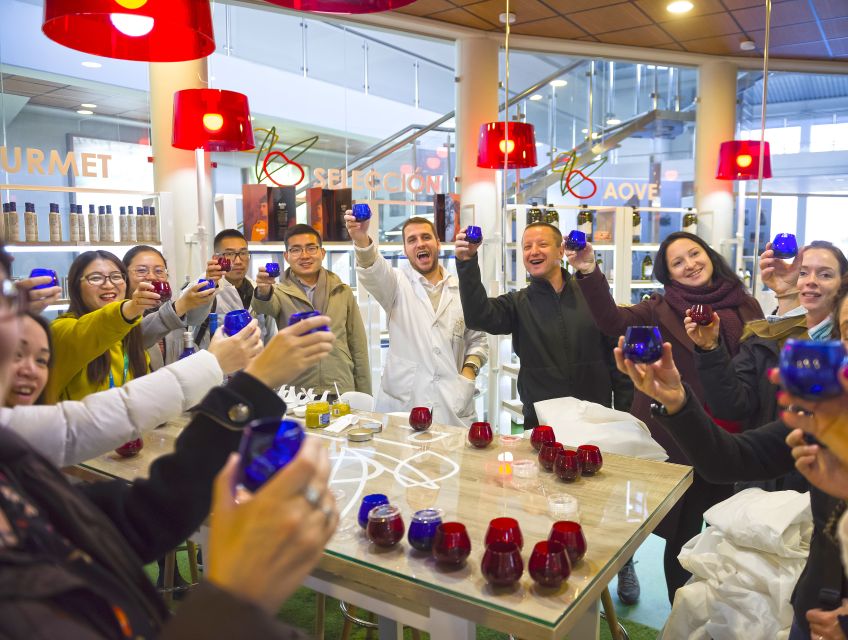
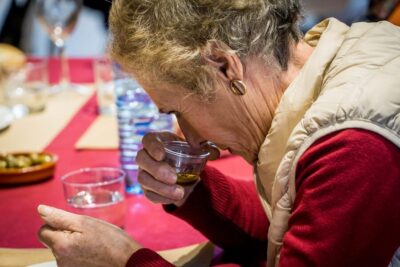
The visit finishes with a tasting of three extra virgin olive oils. This is where the earlier explanations become personal. You use your senses to notice aroma and taste, then compare the oils rather than treating them as identical.
A proper tasting can change how you think about olive oil. You may notice fresh, grassy, fruity, bitter, or peppery qualities, though the exact character of each sample is not specified in advance. The point is to pay attention and understand that extra virgin oil can have its own range of flavors.
The guide also explains how to taste. That matters because many people pour oil over food and never stop to assess it on its own. With a small sample and some direction, you can learn to identify what you like and make more confident purchases later.
The published experience includes three oils, but one account of the visit describes a tasting of two high-quality oils. If the exact number matters to you, confirm the tasting on the day. The core value remains the comparison and the explanation, but the advertised format is three oils.
There is no stated pressure to buy after the tasting. Picualia has a gift shop, so you can purchase oil or other items if something appeals to you, but shopping is not listed as part of the required experience.
What the $31 price gives you
At $31 per person, this is a reasonable short activity if you care about food, local production, or practical cultural context. The price includes entry to the mill, a live guide, and the tasting. For an hour and a half, you get a structured visit rather than simply looking around a shop.
The value is strongest when you are already visiting Jaén or passing by with your own transport. You receive a lesson that combines agriculture, technology, food culture, and tasting. Comparable food activities can cost more when they include a meal, but this tour is not a meal and does not include hotel transfers.
Food and drinks beyond the olive oil tasting are extra. The on-site restaurant gives you an option to stay for a meal or a drink, but you should budget separately. The venue is also described as having a Michelin-star restaurant, which may make it appealing for a special meal, though that restaurant is not included in the tour price.
I would book this for the learning rather than the quantity of food. If you want a full lunch, winery-style feast, or long countryside outing, this is not that. If you want a focused introduction to one of Andalusia’s key products, the price is fair.
Timing, languages, and getting there
The English tour begins at 10:30, and the Spanish tour begins at 12:30. Check the available starting time when you book, since the activity listing also advises checking availability. The different departure times may help you fit the visit around other plans, but they are not interchangeable if you need a particular language.
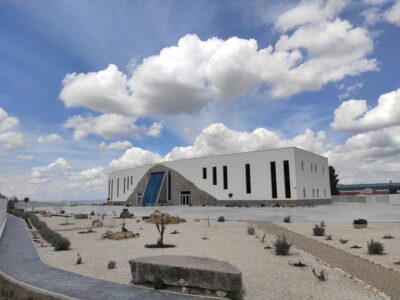
The meeting point is Picualia, Aceite de Oliva y Oleoturismo. From the direction of Madrid, take exit 299 to reach the meeting point. Hotel pickup and drop-off are not included, so plan your route before setting out.
That transport detail affects the tour’s value. The $31 price does not cover the time or cost of getting to the mill. If you are driving through the Jaén area, the stop is easier to fit into your day. If you are relying on public transport or staying without a car, check your route carefully before paying.
The tour is wheelchair accessible. That makes it a practical option for visitors who need step-free access, though you should still confirm any personal mobility requirements when booking.
Free cancellation is available up to 24 hours before the activity for a full refund. You can also reserve now and pay later, which helps if your Andalusia plans are still changing.
Who will enjoy this olive oil visit
I would recommend it to food-minded visitors, curious families, couples, and anyone who wants a local activity with a clear subject. It also suits people who enjoy markets and cooking but have never learned how to compare olive oils.
It is a good choice for English speakers because the experience is specifically offered in English, with a live guide. Spanish speakers have a separate departure at 12:30. The guide-led format makes the visit accessible even if you know little about oil before arriving.
The tour also works well for people who prefer substance over spectacle. The focus is on farming, processing, quality, and tasting. You are not promised a theatrical show or a long list of attractions. You get a compact look at a major local industry.
I would be more cautious about booking if you want to see harvesting in progress, spend hours walking through the countryside, or eat a full meal as part of the activity. The tour can introduce those subjects, but it cannot guarantee an active harvest or include restaurant food in the $31 price.
Small details that can improve the visit
Read the tasting as the heart of the tour, not an afterthought. Try to remember which oil you prefer and why. The lesson is most useful when you connect the guide’s terms with your own taste.
Give yourself enough time to reach the mill using exit 299 and the Picualia meeting point. Since transfers are not included, arriving late could mean missing part of a short 90-minute program.
If you are visiting outside harvest season, adjust your expectations. You can still see the facility and learn the process, but the working harvest may not be visible. Ask about seasonal activity if that is important to you.
Leave room in your schedule for the gift shop or restaurant. Neither is included, but both give the stop more flexibility. You can finish the tour and continue on, buy a bottle, or stay for food and drink if your plans allow.
Should you book Picualia’s olive oil tour?
Book it if you want a clear, well-organized introduction to Jaén’s most important food product. The strongest reasons are the grove-to-mill route, the explanation of quality and pricing, and the guided comparison of extra virgin oils. The 90-minute length keeps the experience manageable, and the English departure makes it easy to fit into an Andalusian itinerary.
Think twice if you are mainly looking for a harvest-day experience or a full restaurant visit. Seasonal conditions may limit what you see in the grove, and food and drinks cost extra.
For $31, I see this as a useful Jaén stop rather than a grand day excursion. You leave with a better sense of how olives become oil and a more informed way to shop for the bottle you take home.
FAQ
Where does the olive oil tour meet?
The meeting point is Picualia, Aceite de Oliva y Oleoturismo. From the direction of Madrid, take exit 299 to reach the mill.
How long does the experience last?
The guided visit lasts 1.5 hours, or 90 minutes.
What languages are available?
The tour is offered in English and Spanish. The English tour begins at 10:30, and the Spanish tour begins at 12:30.
Is olive oil tasting included?
Yes. The activity includes a tasting of three extra virgin olive oils. The tasting is part of the included tour services.
Are transportation and food included?
No. Hotel pickup and drop-off are not included, and food and drinks beyond the olive oil tasting cost extra. The mill has a restaurant on its premises.
Is the tour wheelchair accessible?
Yes. The activity is listed as wheelchair accessible.
Can I cancel the booking?
You can cancel up to 24 hours in advance for a full refund. A reserve-now, pay-later option is also available.
Freshly pressed around Spain
- Paella, Olive Oil, Wine & Relax in Rural Estate outside Madrid★ 5.0 · 2 reviews
- Olive Oil Tour and Tasting in Málaga★ 5.0 · 2 reviews
- Discover the varieties of wines, olive oil and food on Mallorca★ 5.0 · 8 reviews
- Olive Oil Excursion to an olive mill in the Lecrín Valley★ 3.5 · 3 reviews
- Authentic Olive Oil Tasting in Cordoba, Spain★ 4.0 · 2 reviews
- Cordoba Olive Oil mill, Wine, Passion★ 4.5 · 8 reviews
- Full day in Cordoba between Vineyards and Olive Trees with a Convertible Car★ 5.0 · 2 reviews
- Visit olive grove centenary with oil tasting course★ 5.0 · 11 reviews
Jaen Olive Oil Tours, compared.
Jaén: Guided Olive Mill Tour with Olive Oil Tasting
Read our review →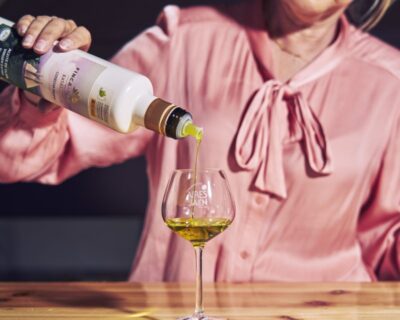
Jaen: Olive oil tour with the 5 senses, grove and tasing
Read our review →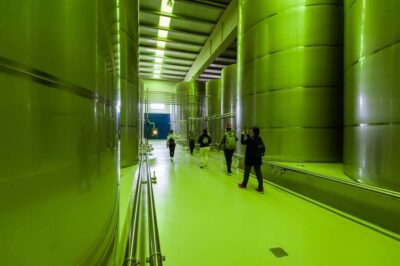
Jaén: Unforgettable visit to the olive mill + EVOO tasting
Read our review →
Aires de Jaén: Olive Oil Plantation Tour and Local Meal
Read our review →
Other lists with this tasting on them